

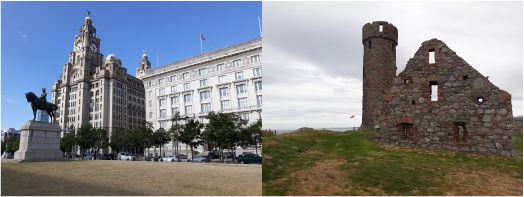
Here I am again, dear friends, just back from our summer holidays – we had an immensely interesting trip this time, almost like entering two different worlds within just a few days: one’s a grand old port city with a rich and chequered past and an absolutely unique atmosphere, and the other is a mystery-clad island right in the middle of the Irish Sea steeped in ancient stories of Celts, Vikings and fairies.

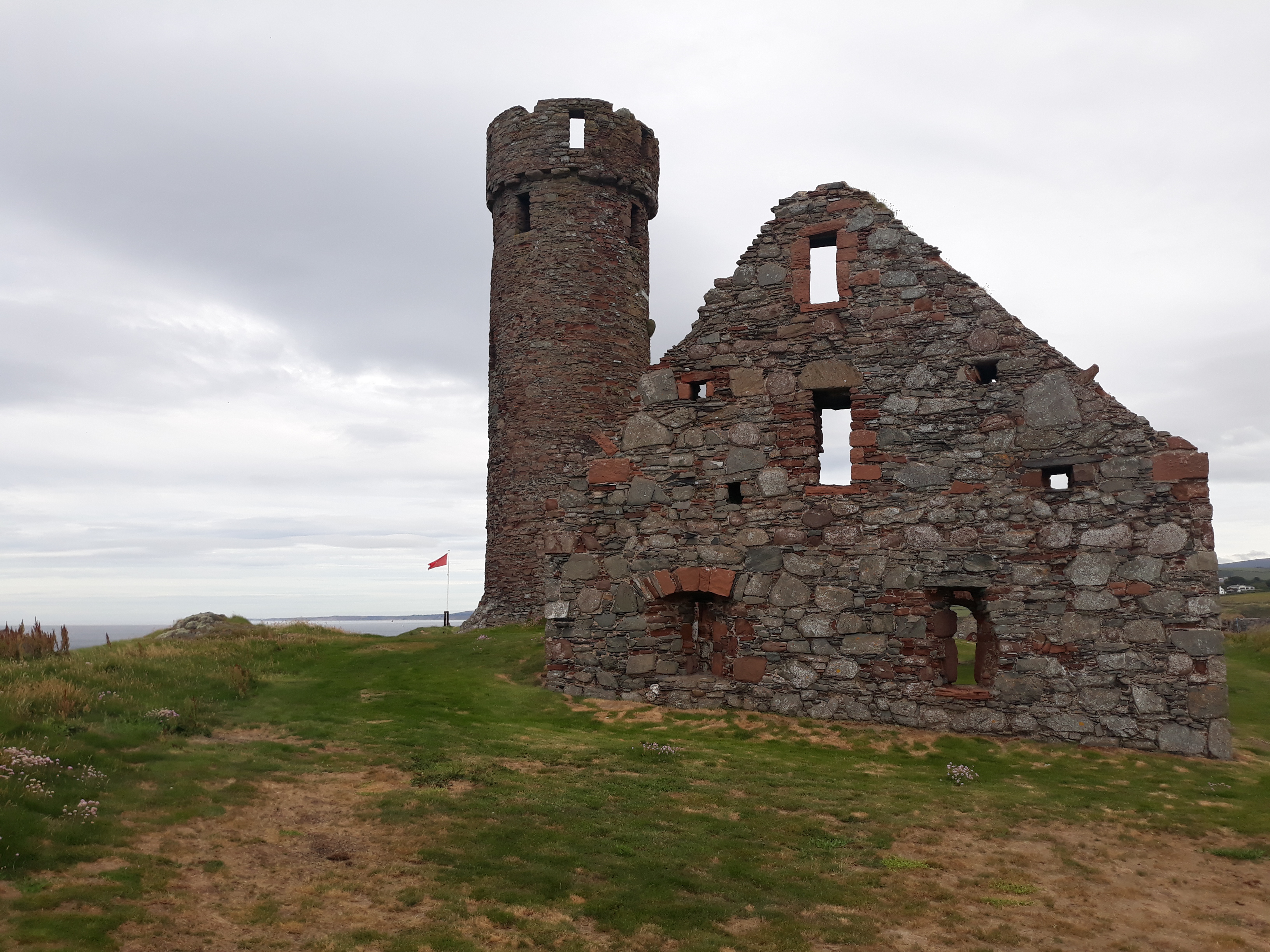
They are linked to each other, though, certainly for travellers to and from the Isle of Man: Liverpool is the main ferry port for Mannin’s capital Douglas; other ferries go from Heysham (Lancashire), Dublin and Belfast – not, unfortunately, from our own lovely hometown of Holyhead anymore.
But, we thought, this would be a good opportunity to explore the famous city of Liverpool – Ian’s been there many a time, of course, having grown up close by in Chester, but I had never seen the city of transatlantic travel and trade, the great melting pot of people from Ireland, China, Wales and pretty much everywhere else in the world, the home of the Beatles and Liverpool FC (and of Everton FC, of course, sorry Toffees for the slight bias here) before.
So, we packed our bags and boarded the train, and three hours later we had arrived in one of the most charming, most unique cities I’ve ever seen.
Part 1: Liverpool

And we immediately found ourselves right in the heart of Liverpool, and in one of the oldest and most prestigious train stations in the world: Lime Street Station. Opened in 1836, it was the terminus of the first inter-city railway in the world – from Liverpool to Manchester. Expanded numerous times, it possesses an impressive 19th century exterior grandeur, while the interior is largely modern today, equipped with all sorts of shops and snack bars and very well signposted and organised. And our hotel, the Premier Inn Lime Street, was just around the corner!

Now, of course, the first place to head to was – the waterfront. The old Pier Head, immortalised in many sailor shanties, with the Three Graces of Liverpool, all built in the early 20th century, in the background: the Port of Liverpool Building, the Cunard Building and of course the Royal Liver Building with the famous liver birds on top which became an emblem of the city, and also the football club (Liverpool FC, that is).
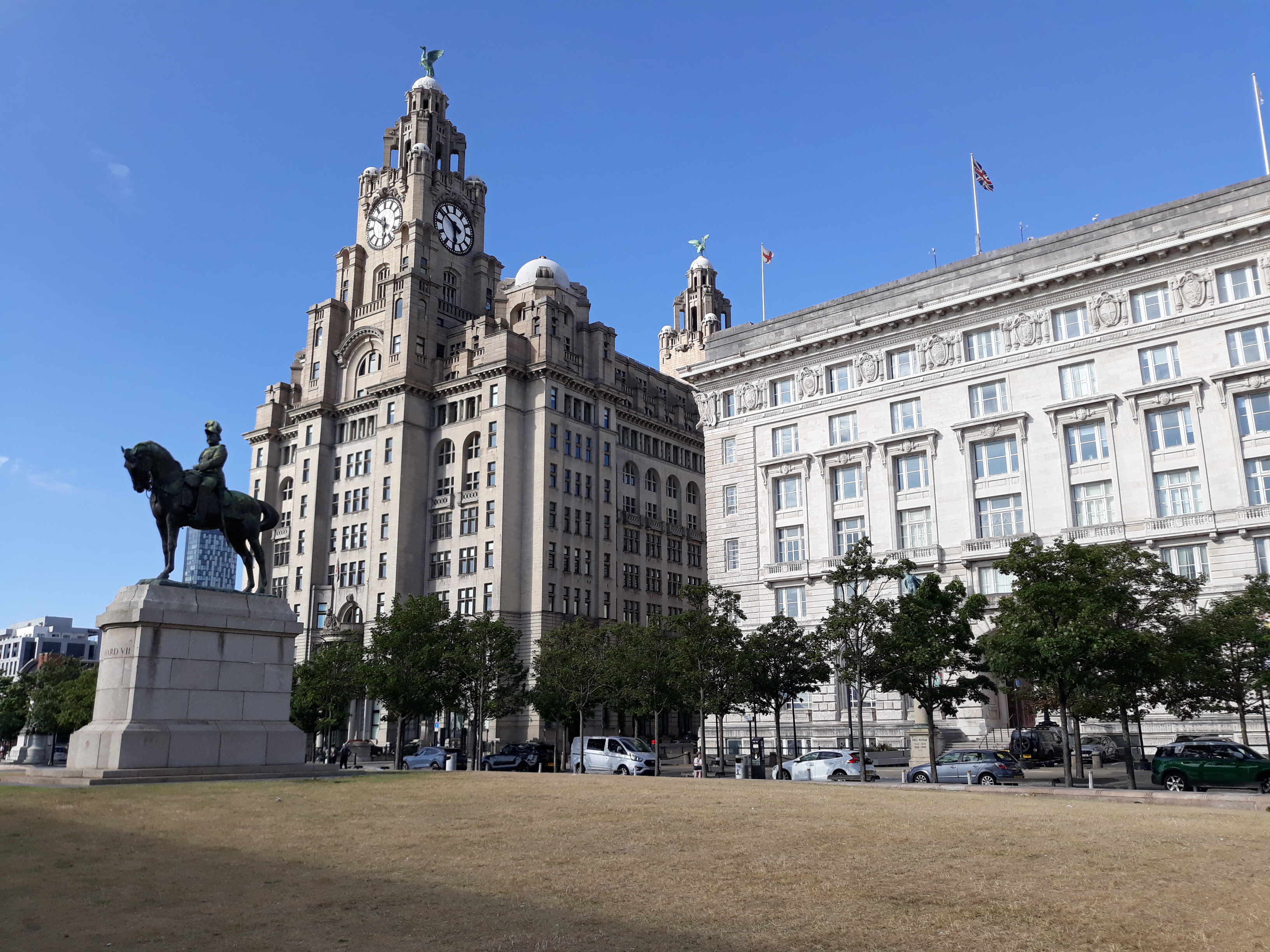

The whole area tells of Liverpool’s importance as one of Europe’s biggest ports from the 18th to the early 20th century – from the beginning of a regular ship service to the New World, to New York and Baltimore, to the days when the port finally became too small for the huge new liners, and Southampton took over as a starting point, among others for the Titanic…
As we all know today, Liverpool’s wealth was, certainly in the early days, built on a very inhuman sort of ‘trade’: the slave trade. Africans were kidnapped or bought on a daily basis in their homelands, then shipped to Liverpool, and then across the Atlantic to America and the Caribbean to work in plantations – and from there, the ships brought valuable goods like cotton, sugar and rum back to Liverpool that made some ‘entrepreneurs’ immensely rich. Despite the Slave Trade Act of 1807, their despicable activities carried on until the days of the US Civil War.
But the old Pier Head also tells of the most glorious page in Liverpool’s modern pop culture: in the middle of it stands a larger-than-life statue of perhaps the most famous sons of 20th century Liverpool, the kings of the Merseybeat, the Fab Four that changed the world: the Beatles. Their songs conquered the world in the mid-1960s, and they keep singing to our hearts until this day. Liverpool certainly knows how to honour its heroes, John, Paul, George and Ringo; there’s a museum dedicated to them and a Fab 4 Store further down the docks (and Liverpool Airport, of course, has been renamed John Lennon Airport), but the statue on Pier Head is the best and most easily accessible must-see and must-photograph site for every fan – and there’s always someone with a guitar standing close to it, playing their most loved tunes!
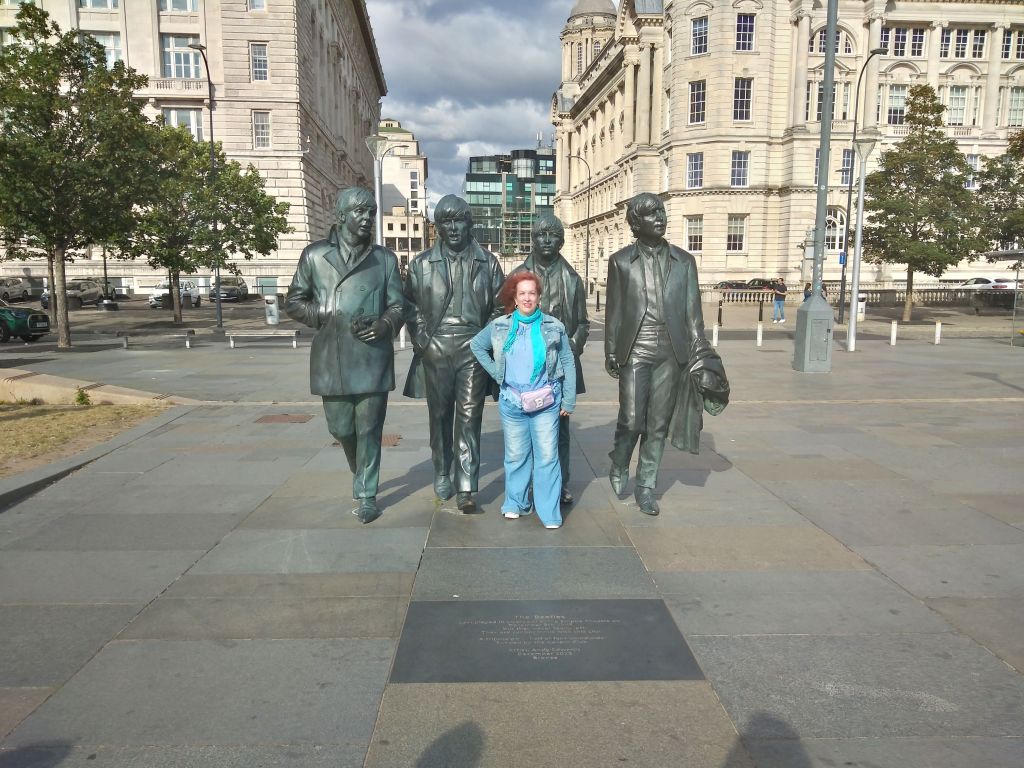
The Pier Head certainly is a great place for getting into that special laid-back Liverpool atmosphere; you can stroll along the banks of the Mersey having an ice-cream from one of the many vans, and there are cafes to sit outside and just observe the scousers in their everyday pursuits – one of which is having a dip in the public swimming pool, which is swarming with hardy young people on any halfway sunny day!

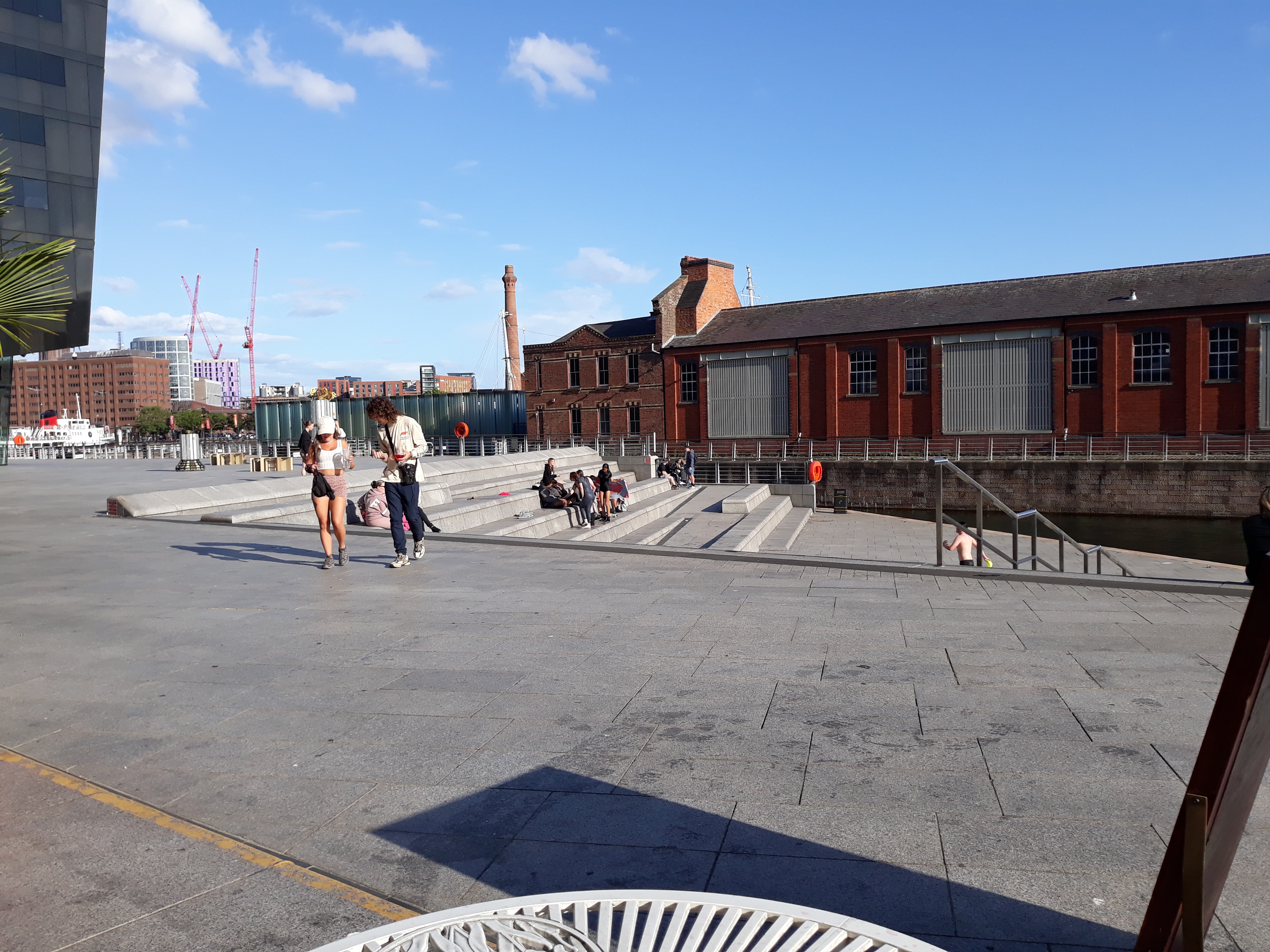
Needless to say, Liverpool is also full of iconic pubs – the scousers love their beer, and good company. We didn’t have time to see all the famous old boozers, but one of the most popular ones down on the waterfront is the Baltic Fleet, frequented by lots of locals – it’s built in the shape of a ship, literally standing out at the end of the street!


So much for the famous Liverpool waterfront; the next morning, we headed out for the cultural and spiritual centre of the city, over in the east, where the two cathedrals stand in Hope Street – the Catholic one, lovingly called Paddy’s Wigwam, at one end, and the Protestant one at the other end. We started out with Paddy’s Wigwam, because it’s undoubtedly the more interesting one.
Both cathedrals were only finished in the second half of the 20th century, each after a very long planning and construction time; but while the Anglican cathedral is kept in a rather tame neogothic style, the Metropolitan cathedral is ultra-modern, concrete, aluminium and glass, simply striking and completely bonkers!


Approaching it, you can see why it’s been nicknamed ‘Paddy’s Wigwam’ – and once you enter, you feel like you’re in a different world. I’ve been an atheist for many years, but honestly, somehow this place, with its huge dome and its unreal bluish lighting, puts the fear of god into you…

Yes, Paddy’s Wigwam has got that certain something, and I must say I’d never been so impressed by any other church (and I’ve seen a good few of them, including Notre Dame, St Patrick’s, St Paul’s and the Sagrada Familia) – and when you start exploring the recesses all around the great circular hall and reading about the church’s history, you’ll soon find out what that something is: it’s the Catholic people of Liverpool, largely Irish immigrants who came over during the Great Famine, who saved up their last pennies to help build this monument unique in the world…

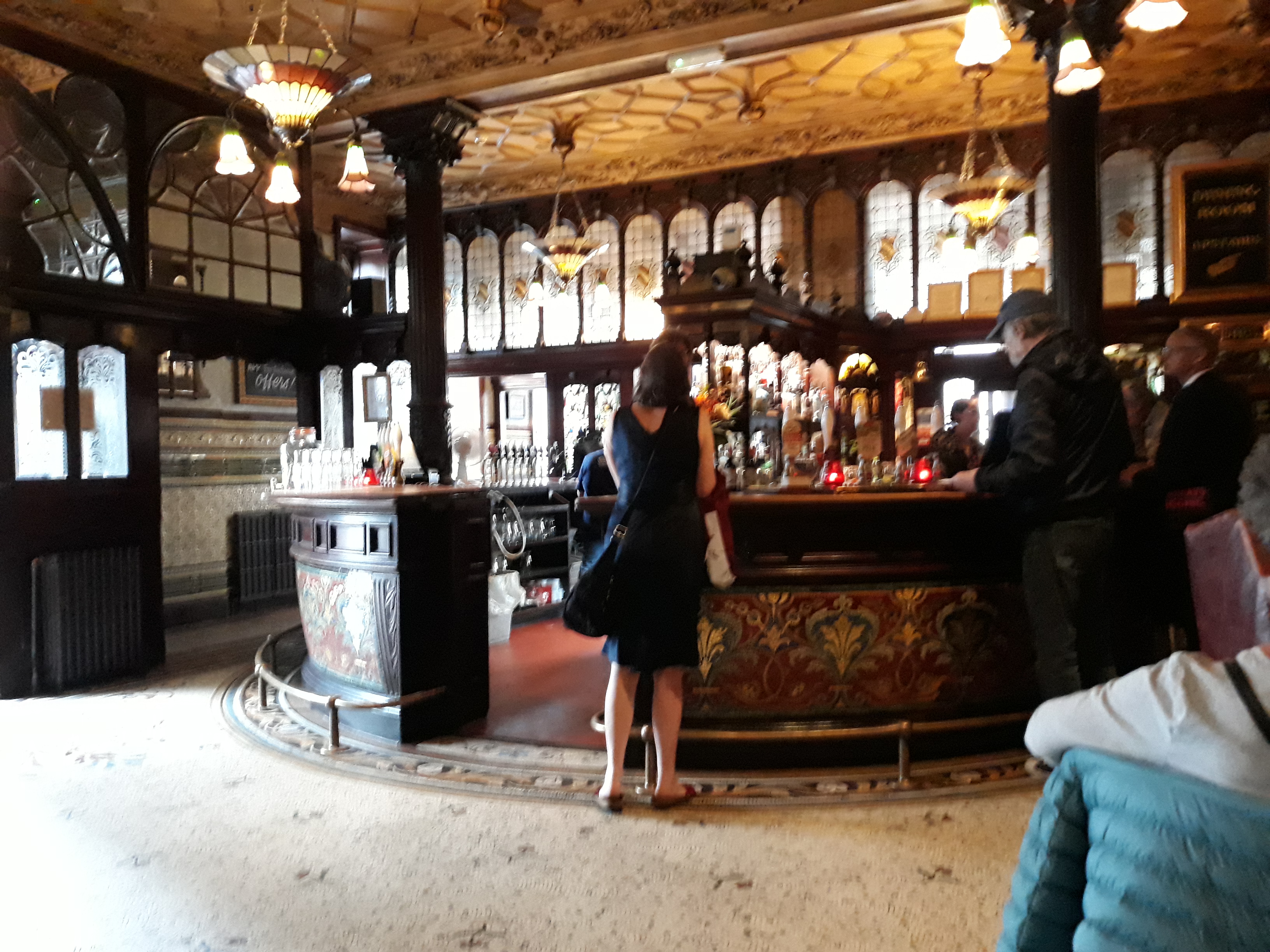
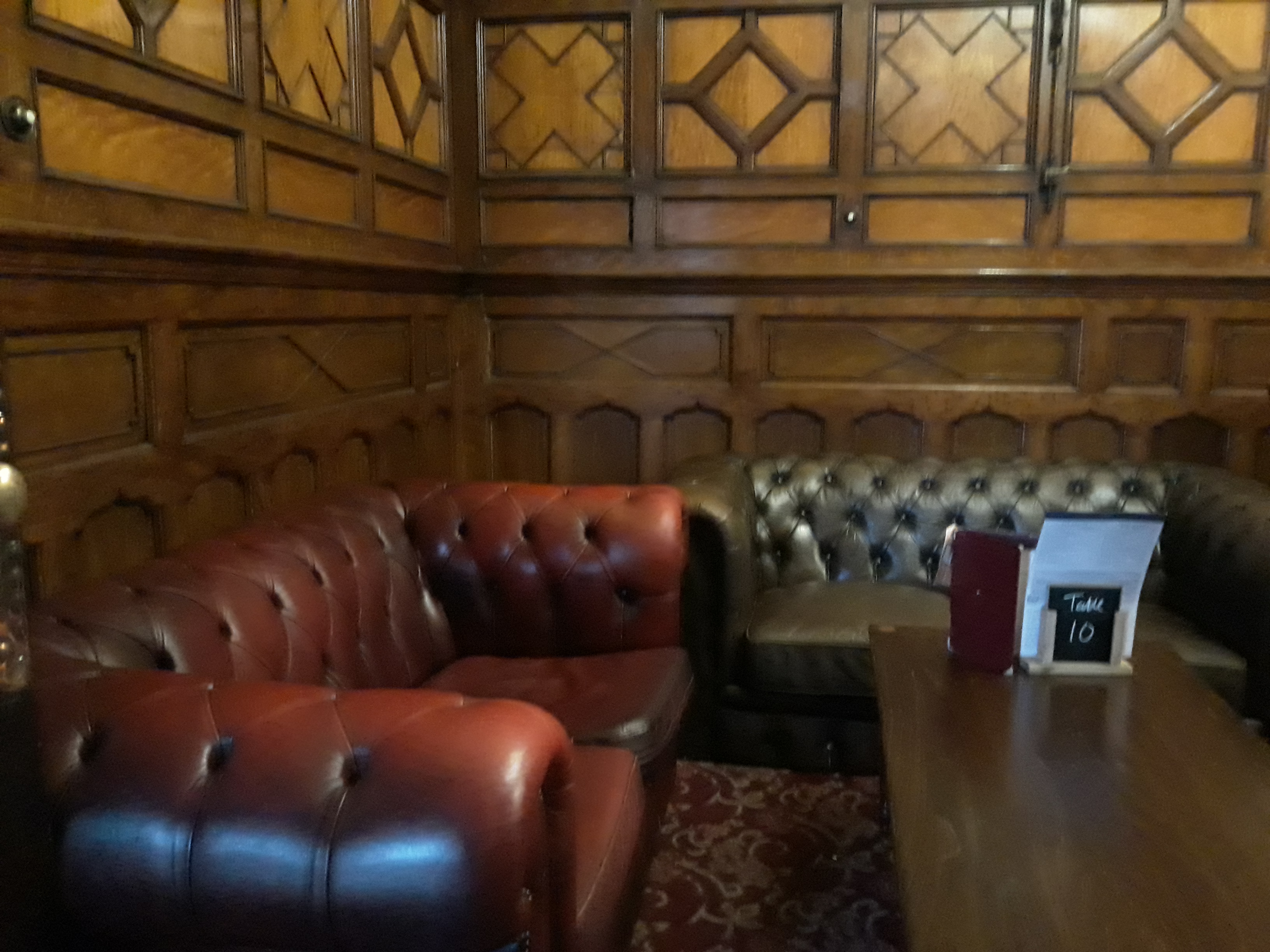
Afterwards, we strolled down Hope Street in the rain, and had some refreshments in another one of Liverpool’s grand old pubs: the Philharmonic Dining Rooms. Built around 1900, during Liverpool’s great building boom, opposite the concert hall of the same name (not the Art Deco one standing there now, but a neoclassical one that burned down in 1933), today it oozes old-fashioned atmosphere, from the eccentric exterior style to the cosy little rooms lavishly furnished with old leather sofas and decorated with mahogany panels and stained glass windows. A perfect place for a break during sightseeing, and the food and drink isn’t even as expensive as you might think!


We then kept going westwards – and came across a stern reminder of Liverpool’s darkest days: the bombings during the Second World War. Just like London, Liverpool was one of the main targets of Nazi bomb attacks during the ‘Blitz’ in 1940 and early 1941, because of the importance of the port to the British economy. From August 1940 until May 1941, regular air raids hit all parts of the city, air raid shelters were bombed, the half-built cathedral, the harbour, and big numbers of houses. Almost 3,000 people were killed and 70,000 were made homeless. It took the city years and years to recover from that disaster.
Among all the building activity after the war, though, one place was left untouched as it had been hit by the Germans: the bombed-out church of St. Luke. It stands there, empty and roofless, in eerie silence, as a memorial to the victims of the war, and in the gardens a sculpture has been placed depicting the Christmas truce between German and British soldiers during the First World War in 1914.

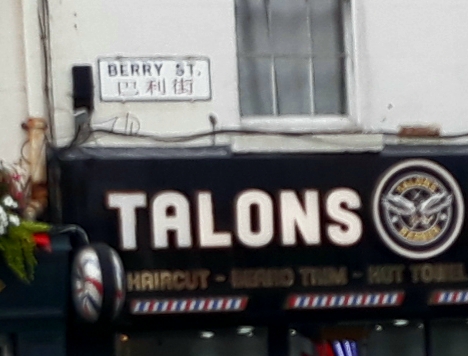
After this sobering experience, we went on to one of the most bustling and charming areas of Liverpool: Chinatown. It’s the oldest Chinese community in Europe, built over more than a century by sailors and immigrants from China many of whom married English girls and set up small businesses. Lots of Chinese restaurants and shops offer all sorts of exotic delicacies here, and even the street signs are bilingual!
But the most impressive feature is the great arch at the entrance to Chinatown, built in 2000 by craftsmen from Shanghai – beautifully carved and adorned with shiny bright colours, it certainly brings an oriental touch to the streets of Liverpool!

And, of course, the other great sort of ‘ethnic’ touch you can find everywhere in Liverpool is that of the Irish; you can be sure to come across some Irish pub in most every side street in the centre, and one of the cosiest ones is the Pogue Mahone which we discovered by pure coincidence on our way from Chinatown to Bold Street. The drinks, the music and the interior design take you right across the Irish Sea to Dublin!


The final stop on our Liverpool tour was a famous old café called Maggie Mays; we had been promised that there we would get the must-have traditional Liverpool dish, lob scouse – and we did indeed! The famous beef stew that gave Liverpudlians their nickname is popular all around Northern European ports, but nowhere as much as here; and it probably tastes nowhere as good as here, either! We were served a great big bowl of it each, with crusty bread and beetroot and a big pot of tea – perfect. And while enjoying our nutritious meal, we could pass the time reading the ‘news clips’ from Liverpool’s history that are displayed under glass on all the tables, learning more new facts about this fascinating city.
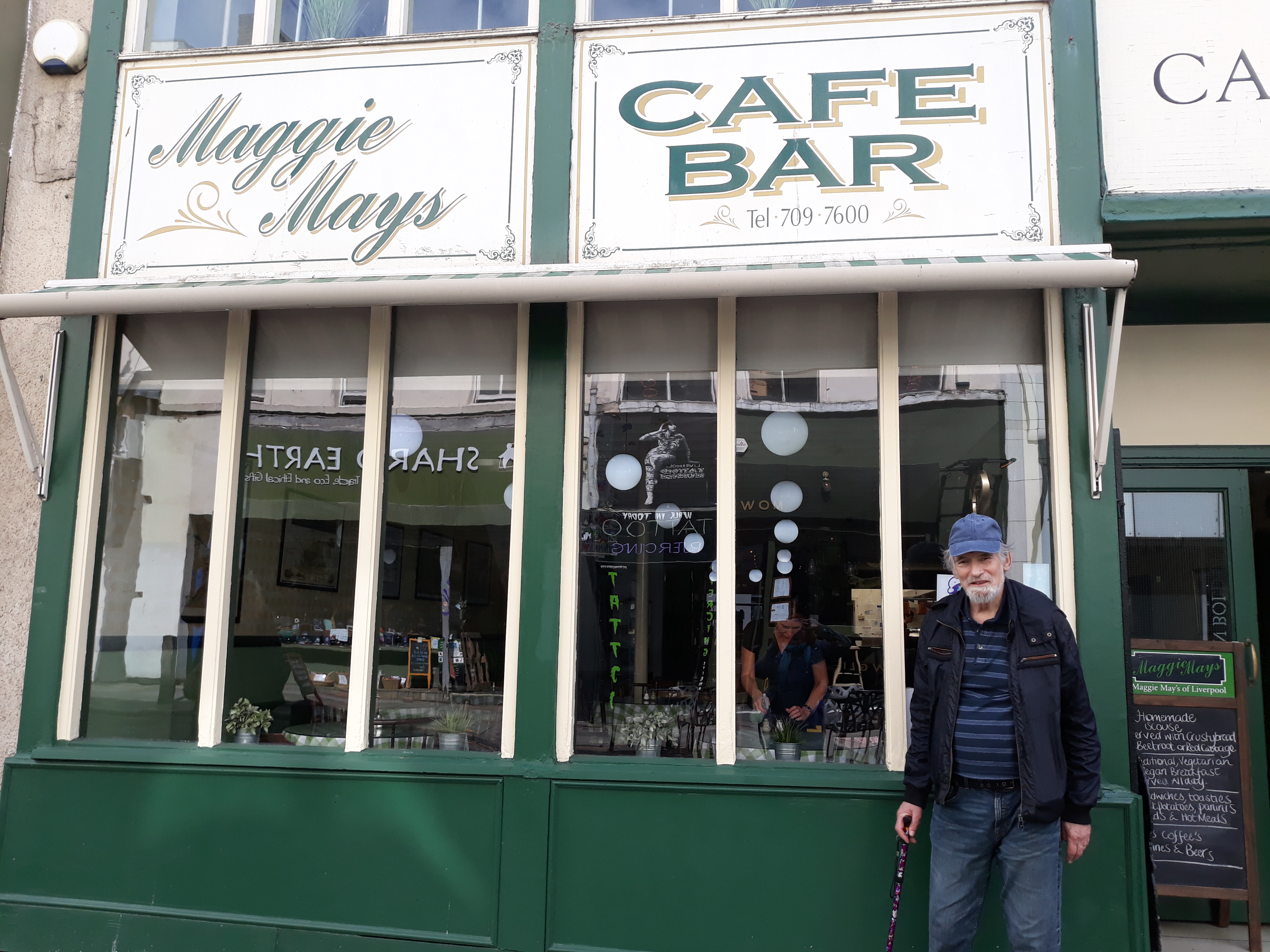

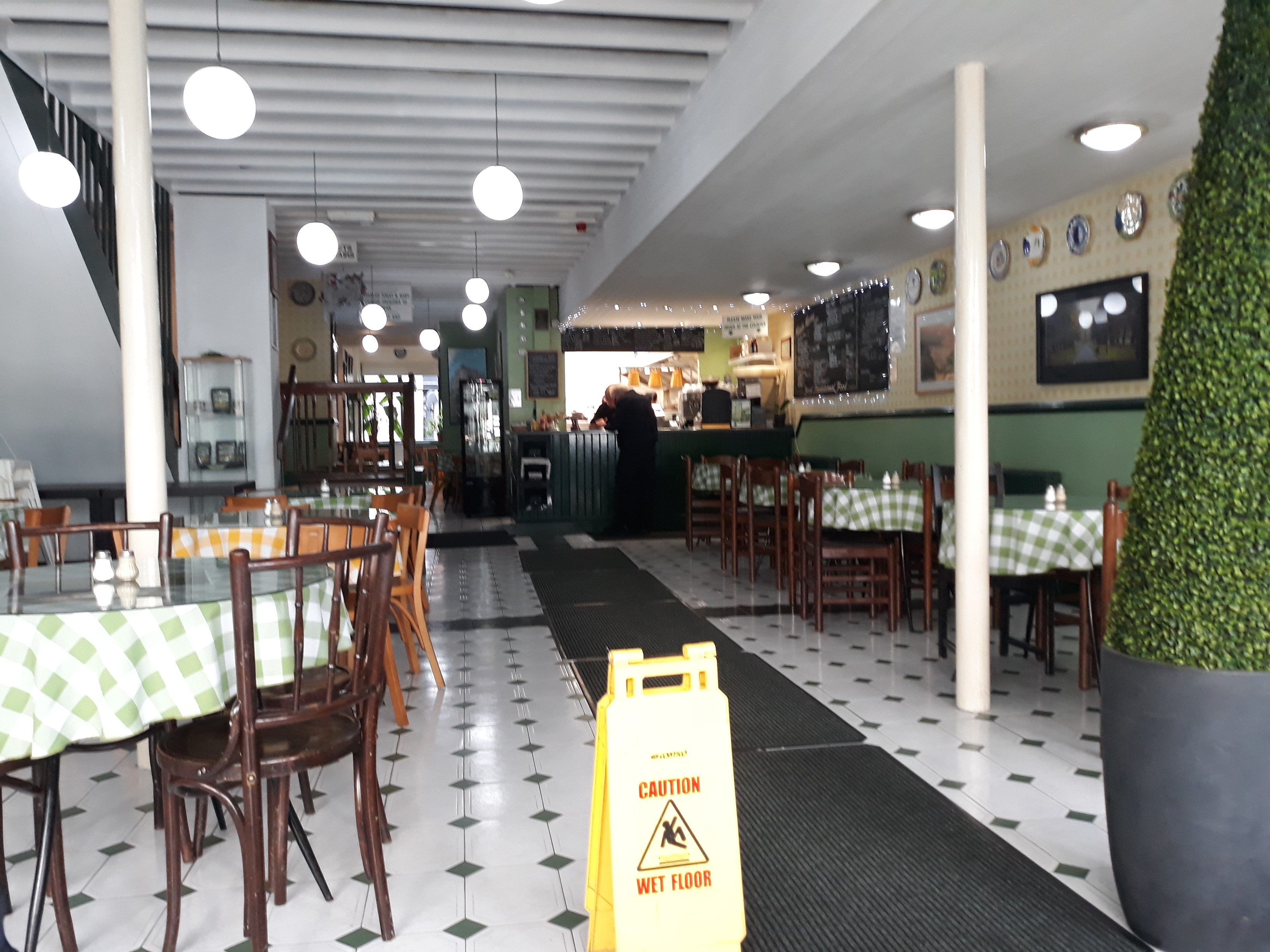

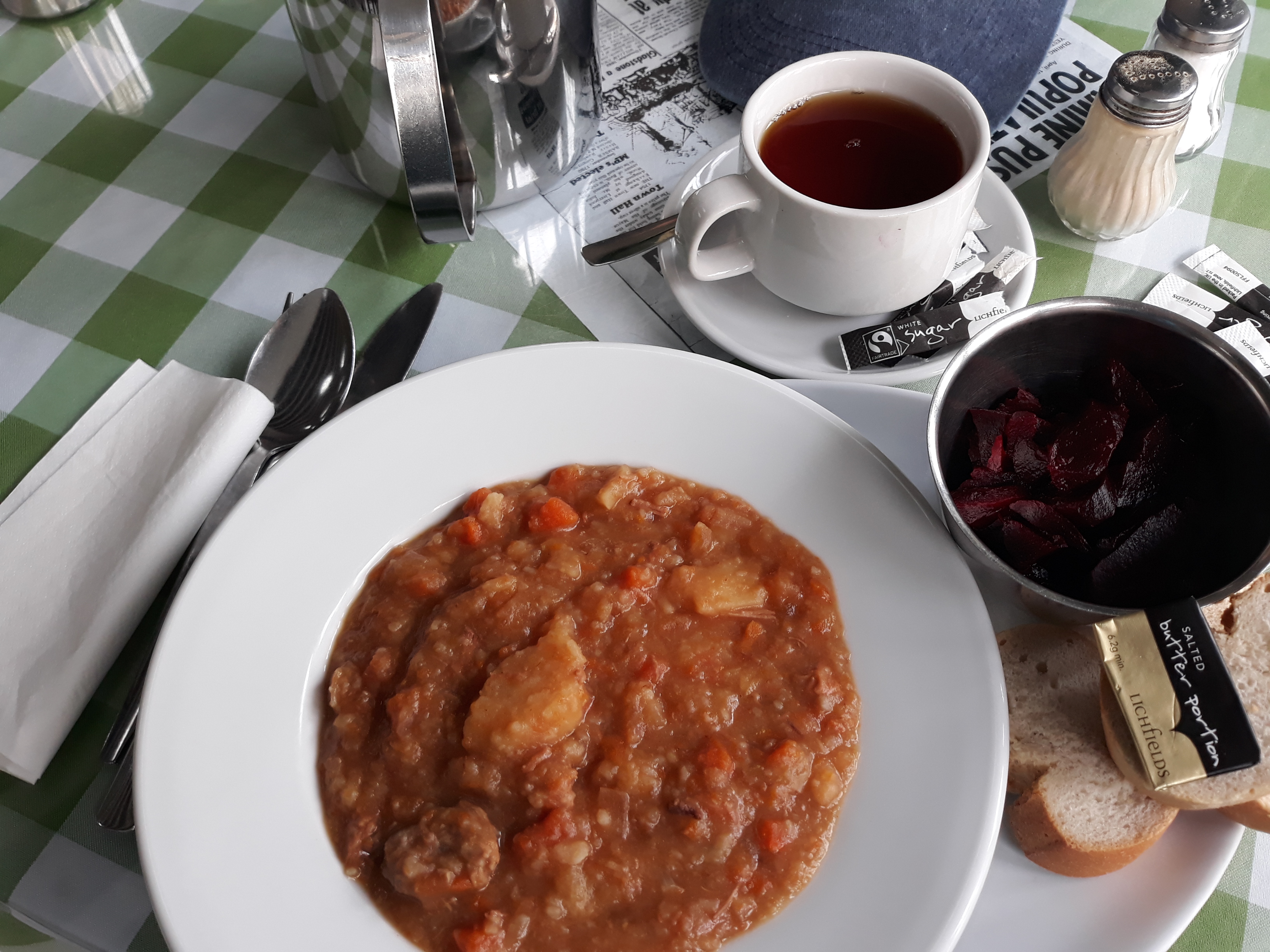
Finally, in search for a taxi, we walked down the whole of Bold Street with all its busy little shops, restaurants and cafes – but the best place is right at the bottom, just ahead of the taxi stands: a lovely little gifts and sweets shop where a souvenir hunting tourist like me can find everything his or her heart desires: stationery sets, keyrings, badges, mugs and bags with everything from the Fab Four to Liverpool FC to the Three Graces to Paddy’s Wigwam on them! I must admit a shop like that always makes me jump with joy – but my darling Ian tremble with fear about the state of our bank account…
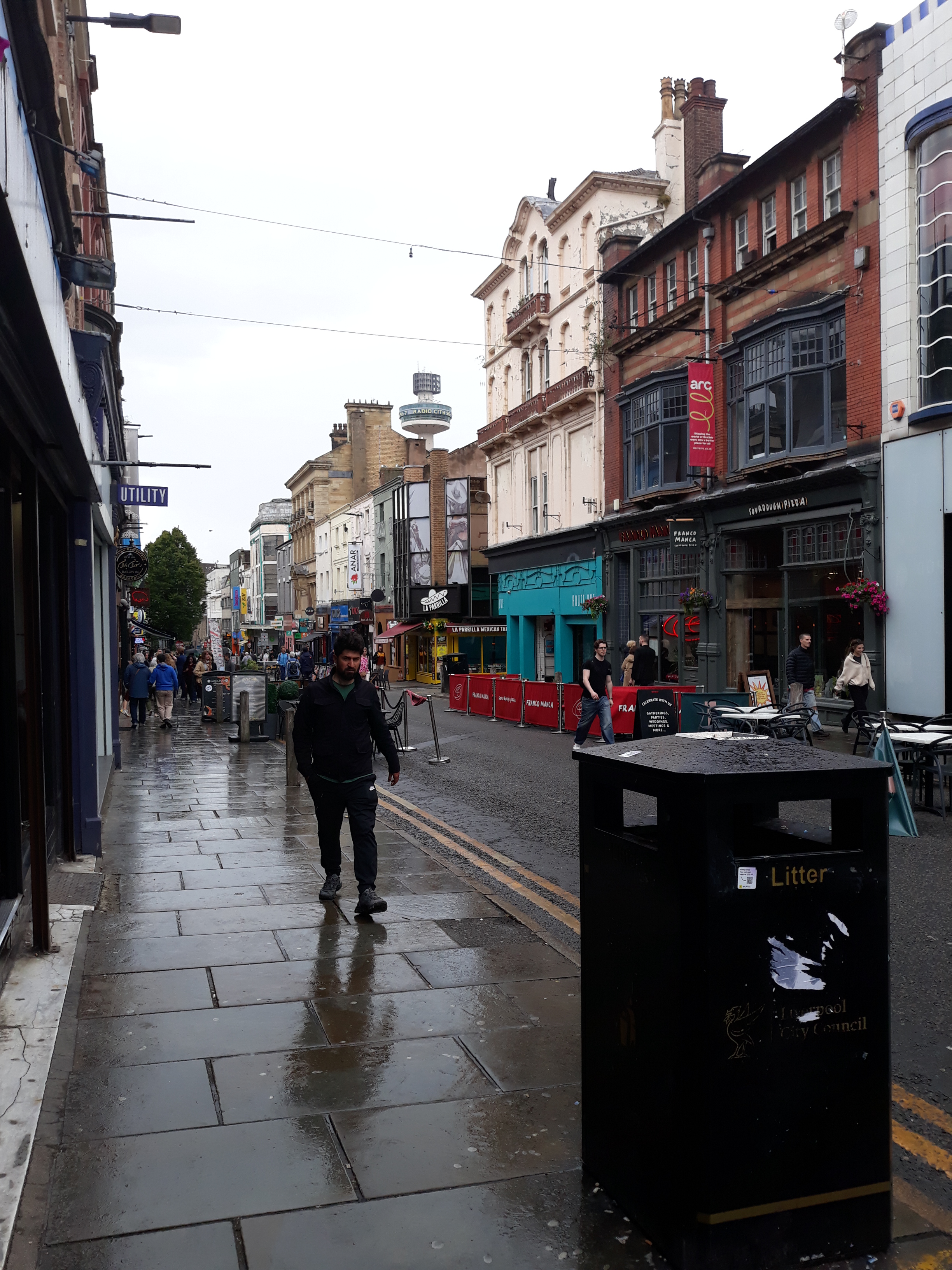
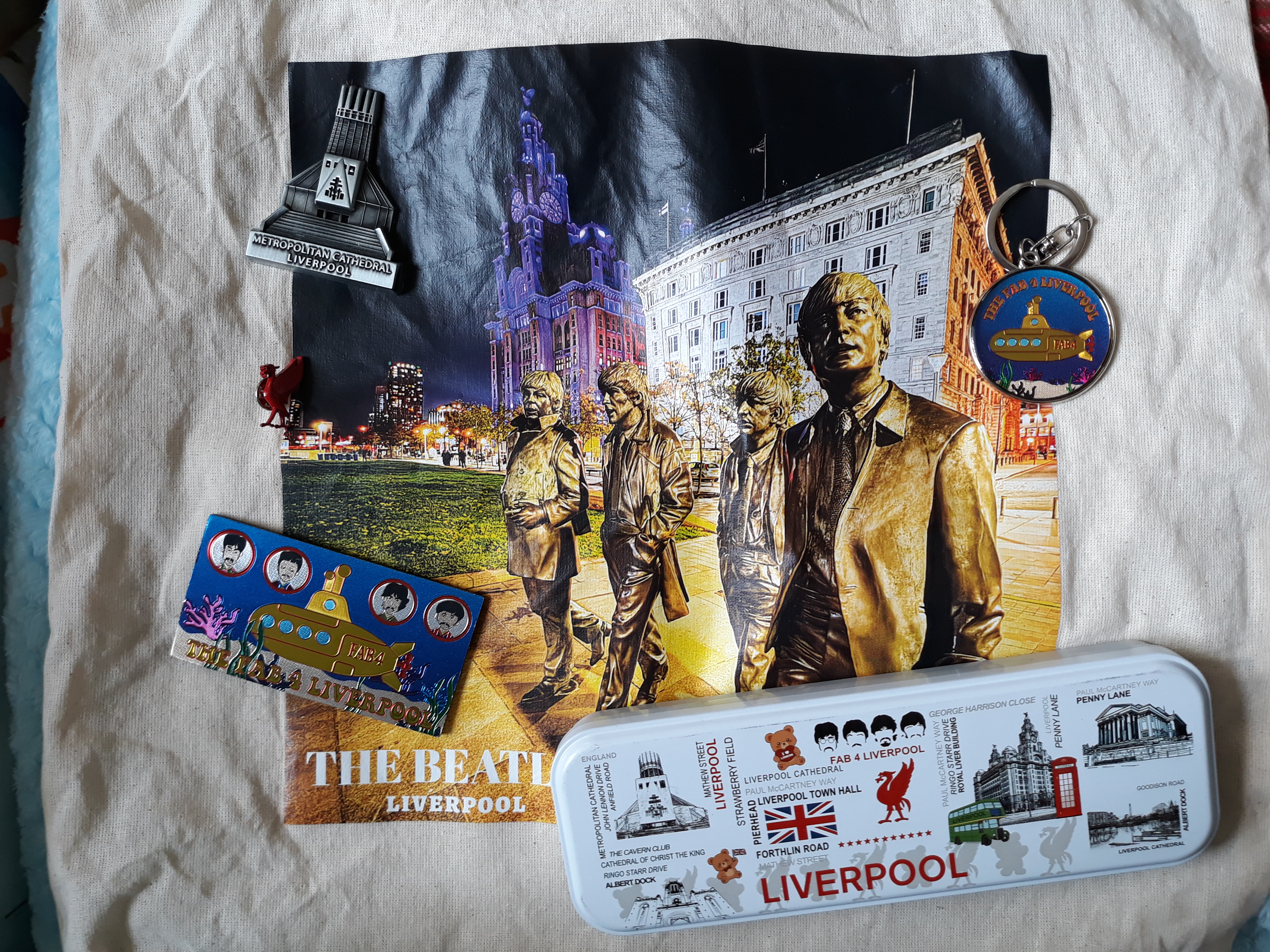
So, with all my newly acquired treasures in my Beatles bag, we headed to the ferry terminal in order to travel on to our final holiday destination – the beautiful, green and mysterious Isle of Man: Ellan Vannin. More about that very soon!

 Roberta Franklin