

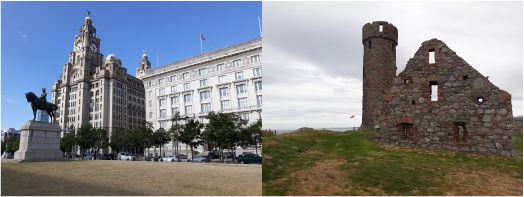
Part 2: Isle of Man (Ellan Vannin)
As I said, dear friends, after our lovely stay in Liverpool we travelled on to the Isle of Man. Little known to foreign tourists and even most Brits, this beautiful island lies almost right in the middle of the Irish Sea, with equal distance to Scotland, England, Ireland and Wales. Imagine what an important role it played due to its geographical position in the days when people from all those countries – and others as well – were fighting for the hegemony in these waters – but more about that in another post…
Its status today is a bit complicated, too: it’s a crown colony, but it’s not part of the United Kingdom; it’s not an independent nation acknowledged by the United Nations, and it’s not a member of the EU either; it’s got a parliament of its own, the Tynwald (the oldest continuously functioning one in the world, by the way!), but its foreign policy is dictated by the British government. It’s also got a special fiscal status, which has made it a tax haven for offshore companies.
Besides that, though, the Isle of Man (Ellan Vannin, or Mannin, in Manx) is a great destination for people interested in wildlife (the whole island has been designated a UNESCO biosphere!), and in history – particularly early and high medieval, the days of the Celtic kingdoms and the Viking invasions. This is right down our alley as historians, of course – but we also had a very special and personal reason for visiting the Isle of Man: it’s the home of my darling Ian’s forefathers.
This, in turn, gave us a great advantage, too: his cousin David lives on the Isle of Man, and he and his lovely wife Susan not only provided us with a luxuriously converted cottage to stay in, but also drove us around the island to see all the great sights! How about that for a perfect holiday?
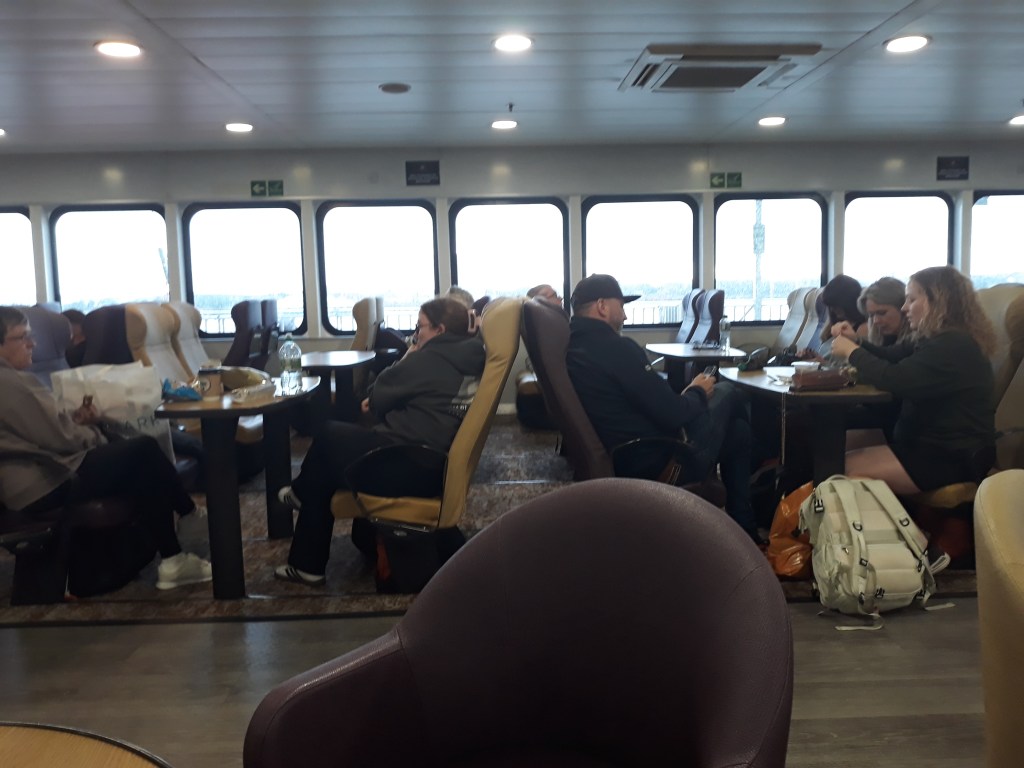
So, we took the ferry for a pleasant 3-hour boat trip from Liverpool to Douglas; how much easier, more leisurely and less stressful than a plane!
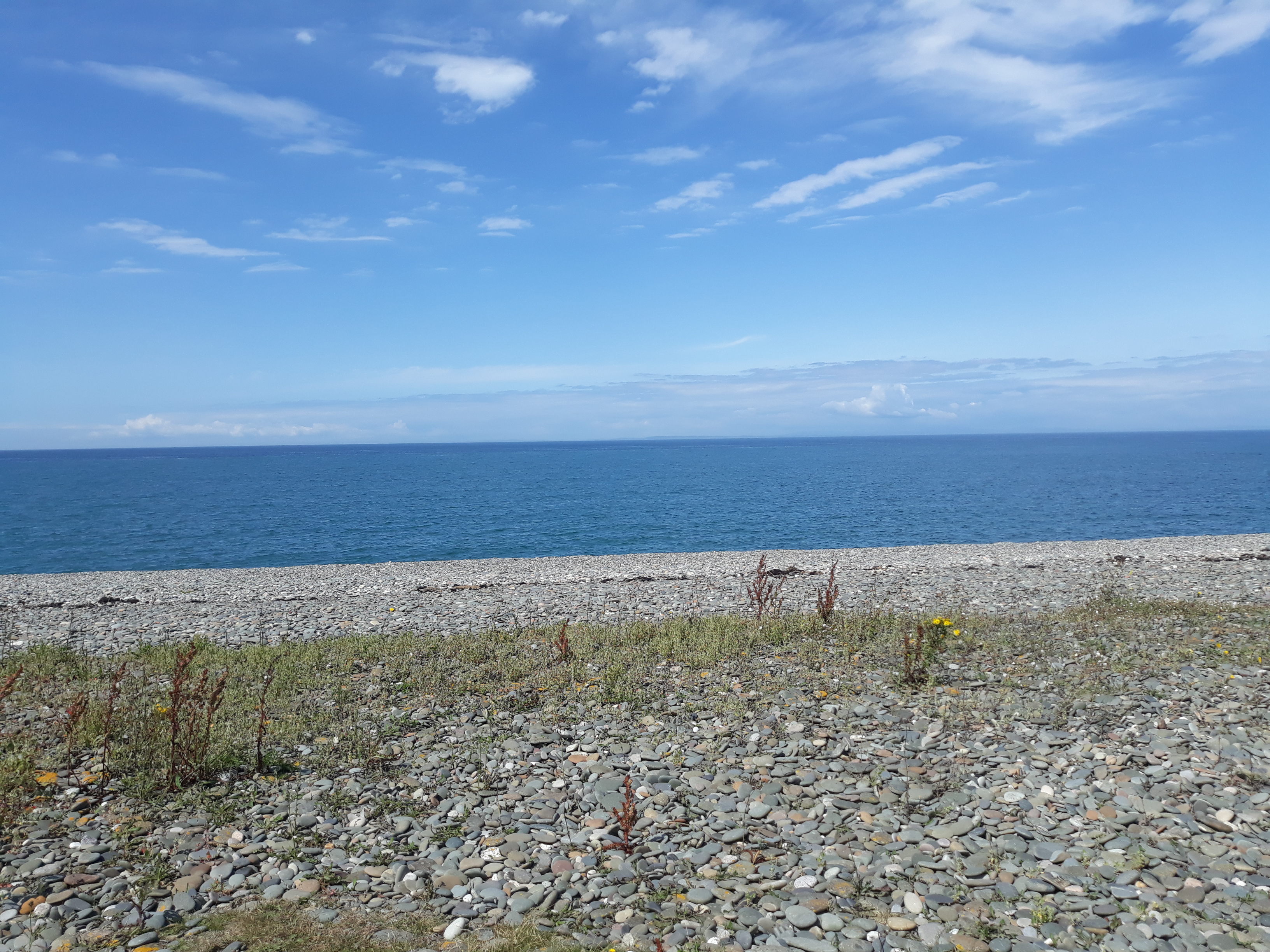
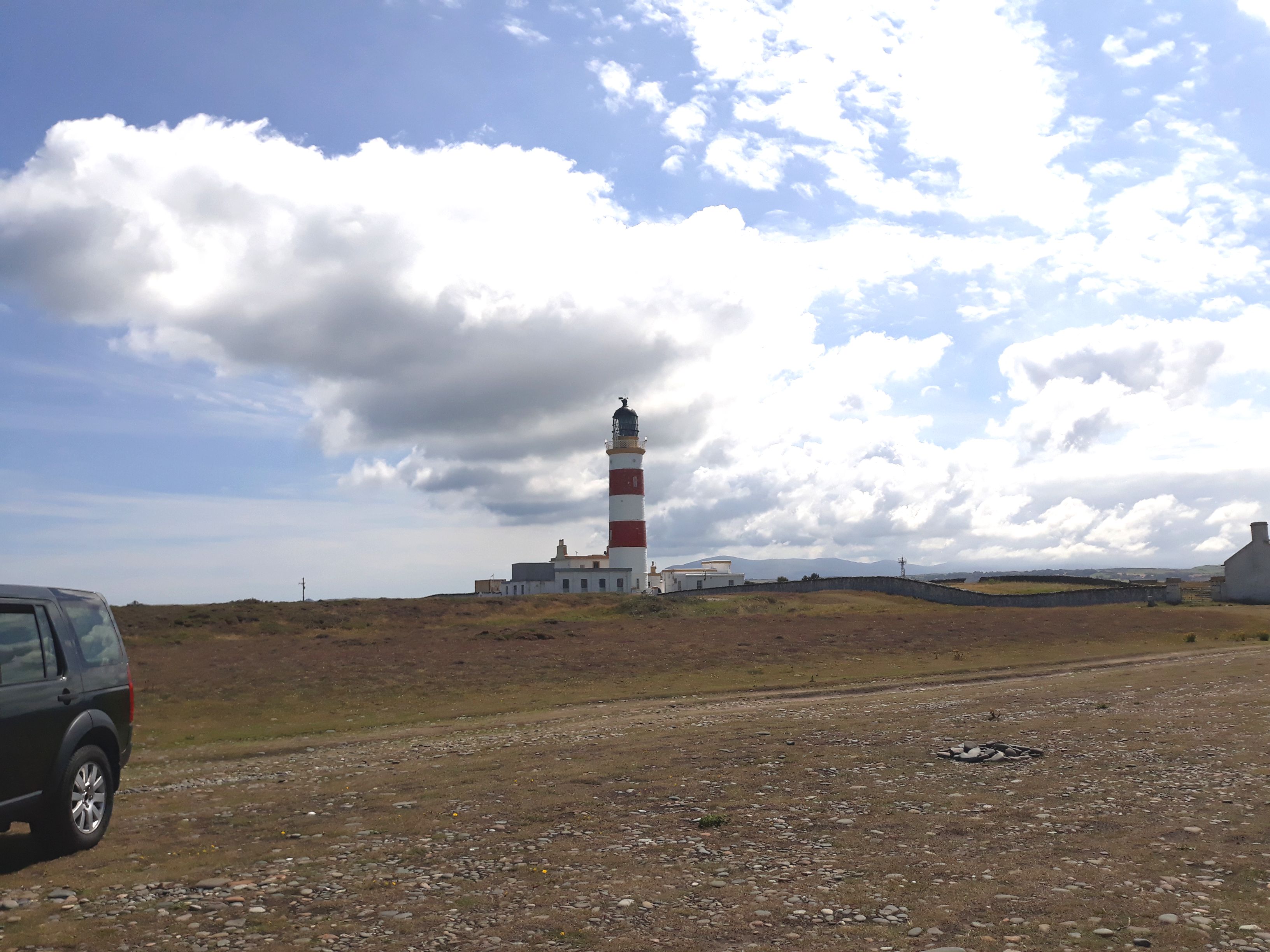
We arrived in Douglas rather late, so David took us directly to our cottage in the North of the island for a good night’s rest, and in the morning we started out exploring the North coast! We went right up to the northernmost tip, where the Point of Ayre Lighthouse stands – but due to the building up of land towards the north, the sea actually moves further and further away from the lighthouse! The place is an undisturbed paradise except for a few campers, and the home of seals and rare birds.
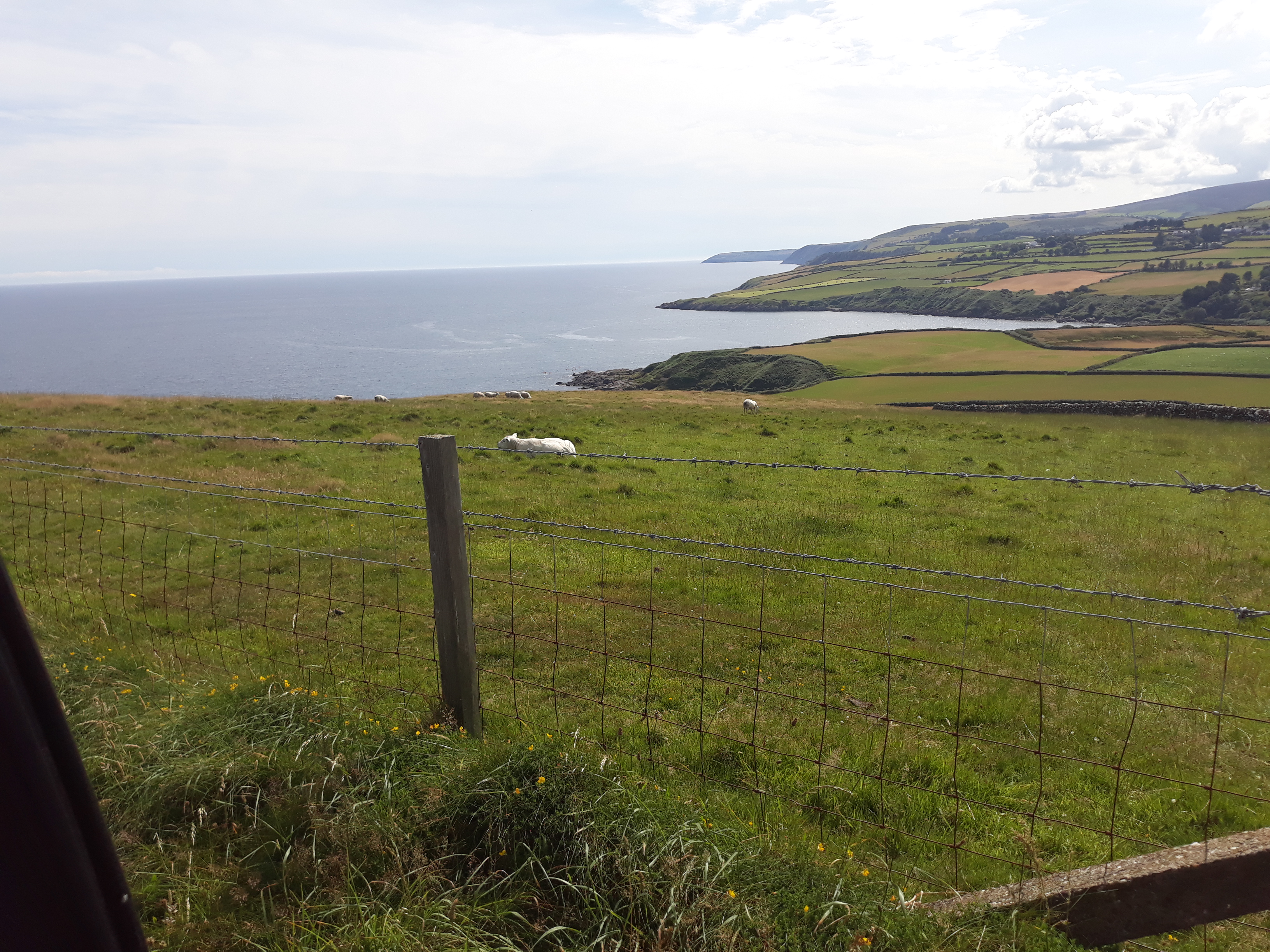
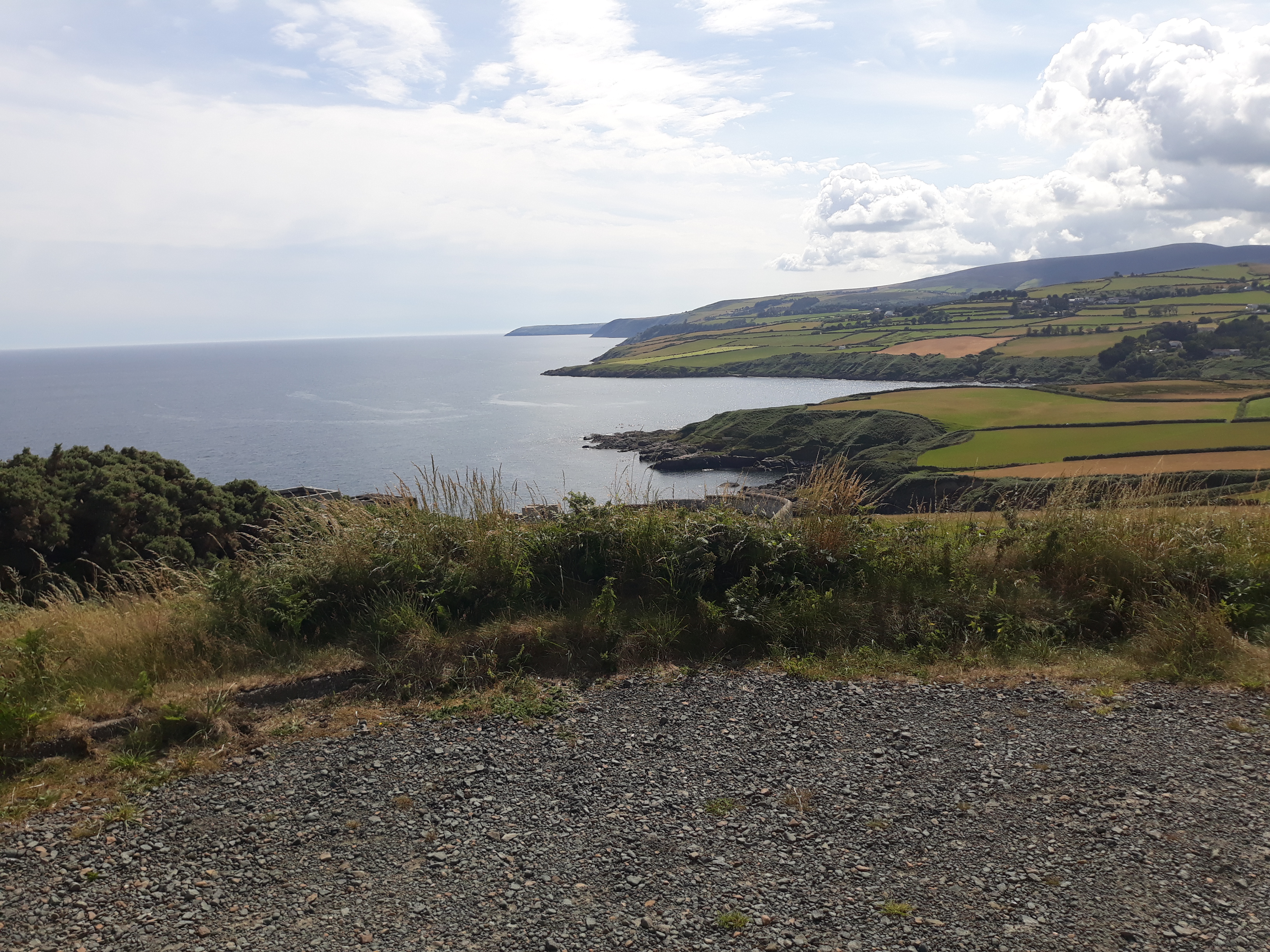
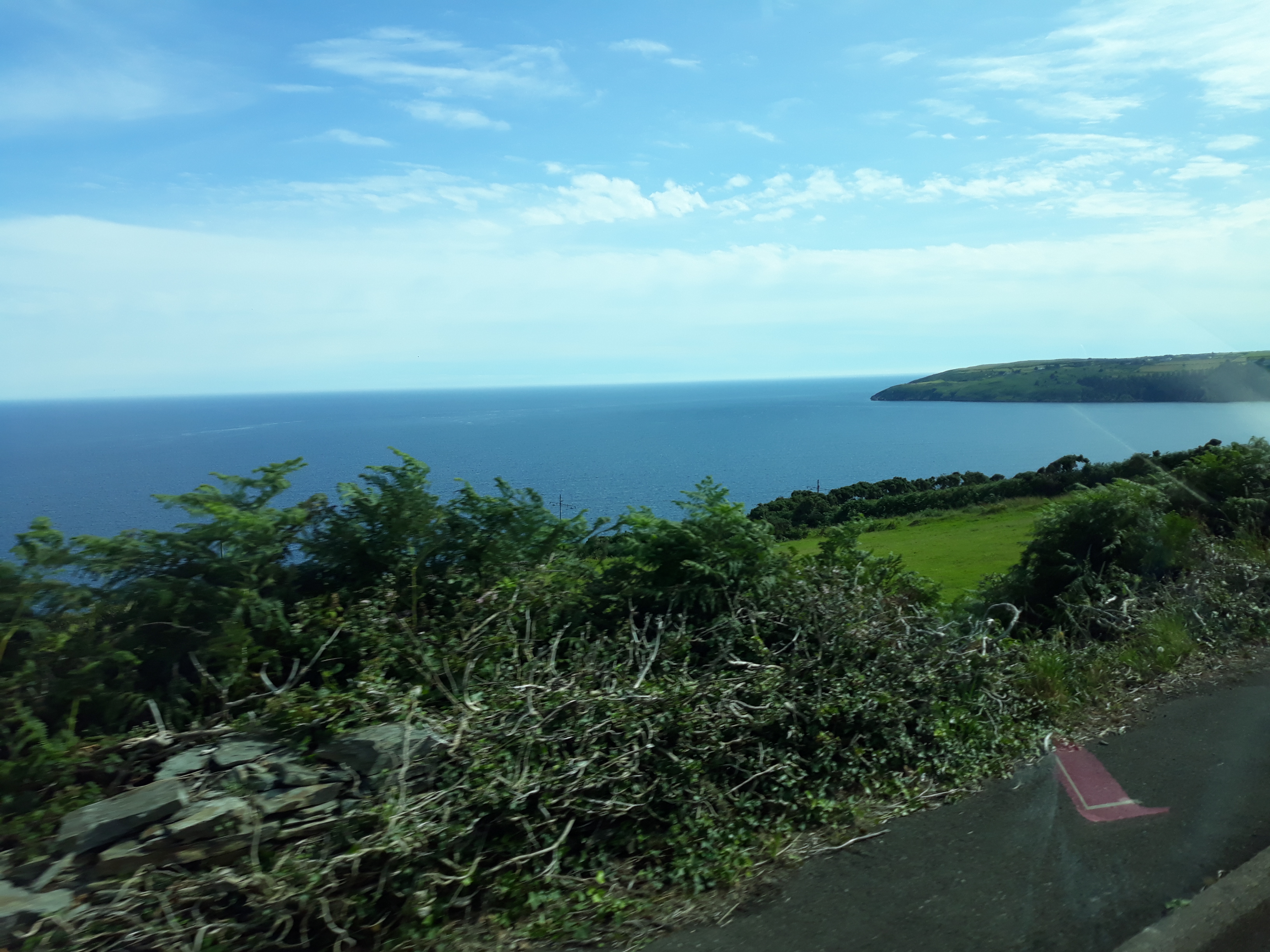
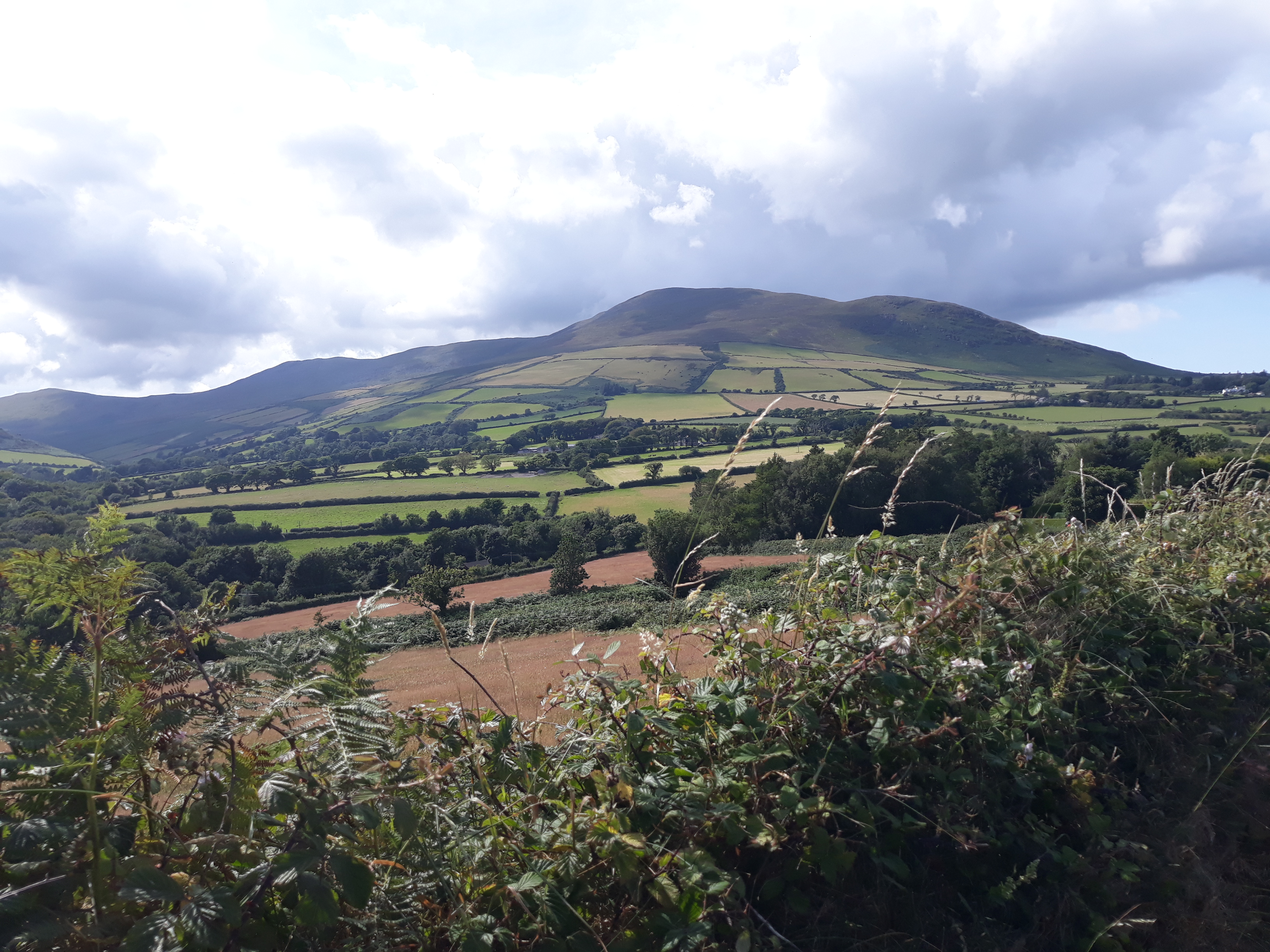
We drove along the stunning North East coast which is just full of perfect postcard views – the sea, the hills and cliffs and little bays, and so many shades of green!
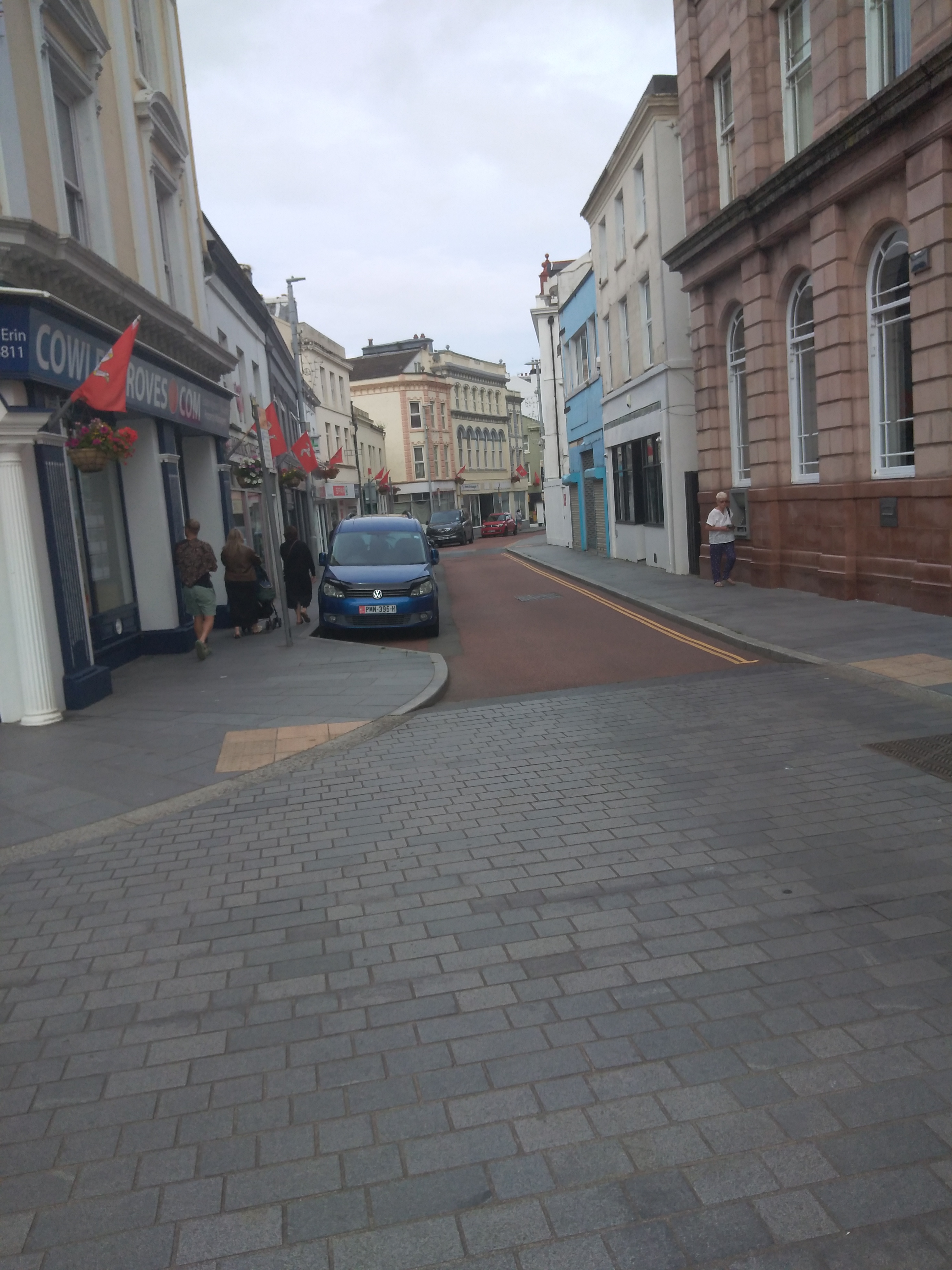
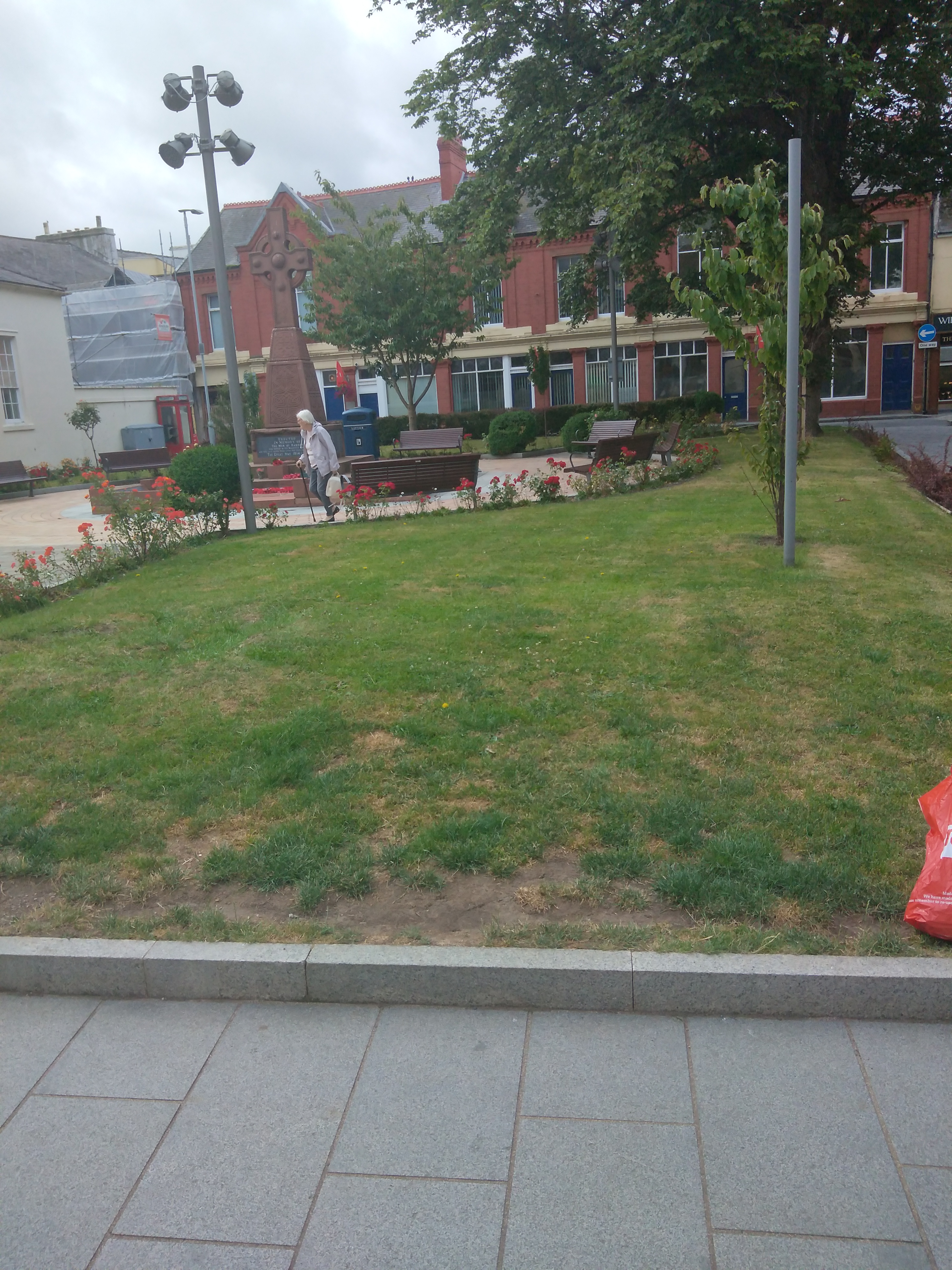
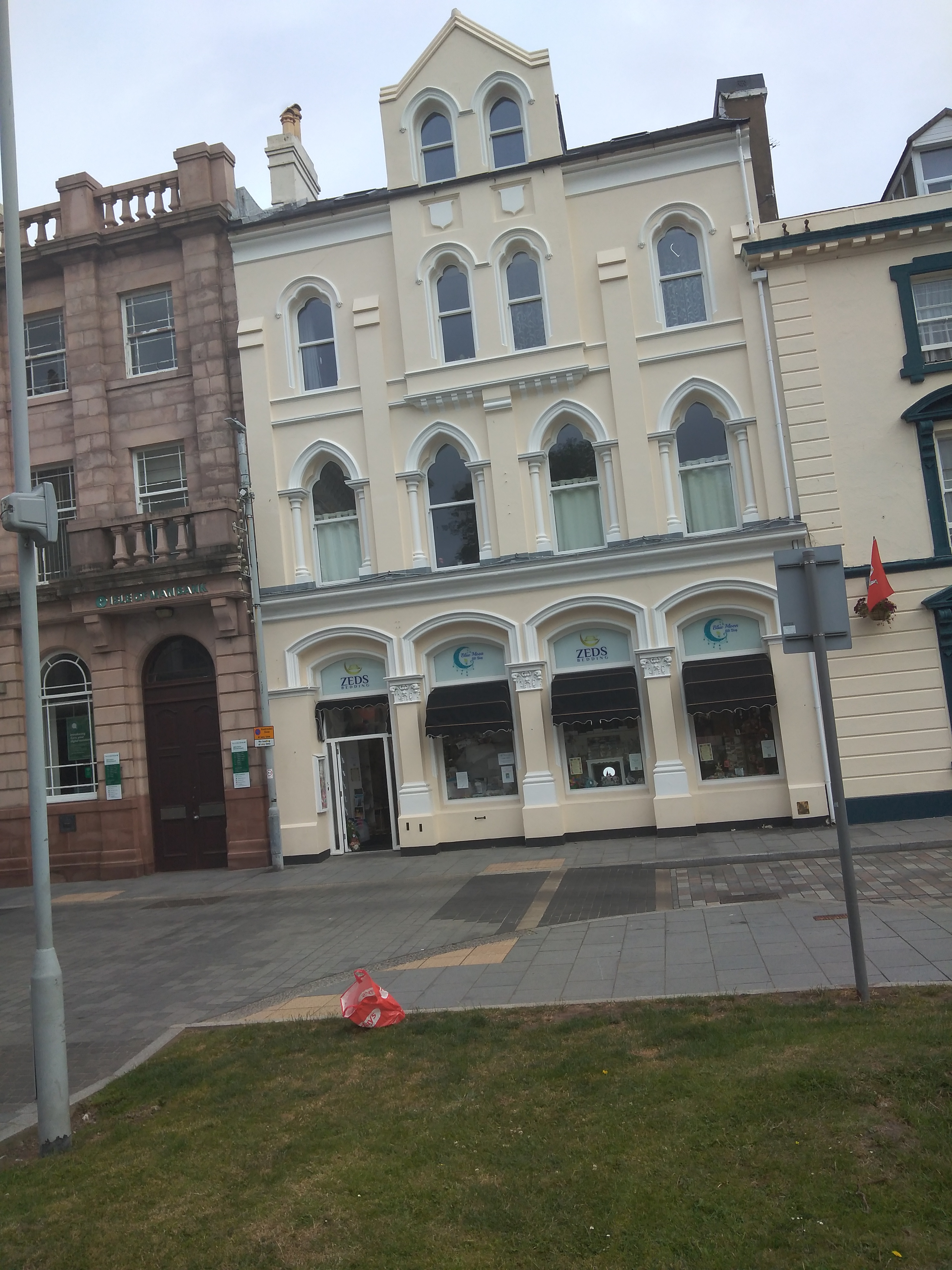
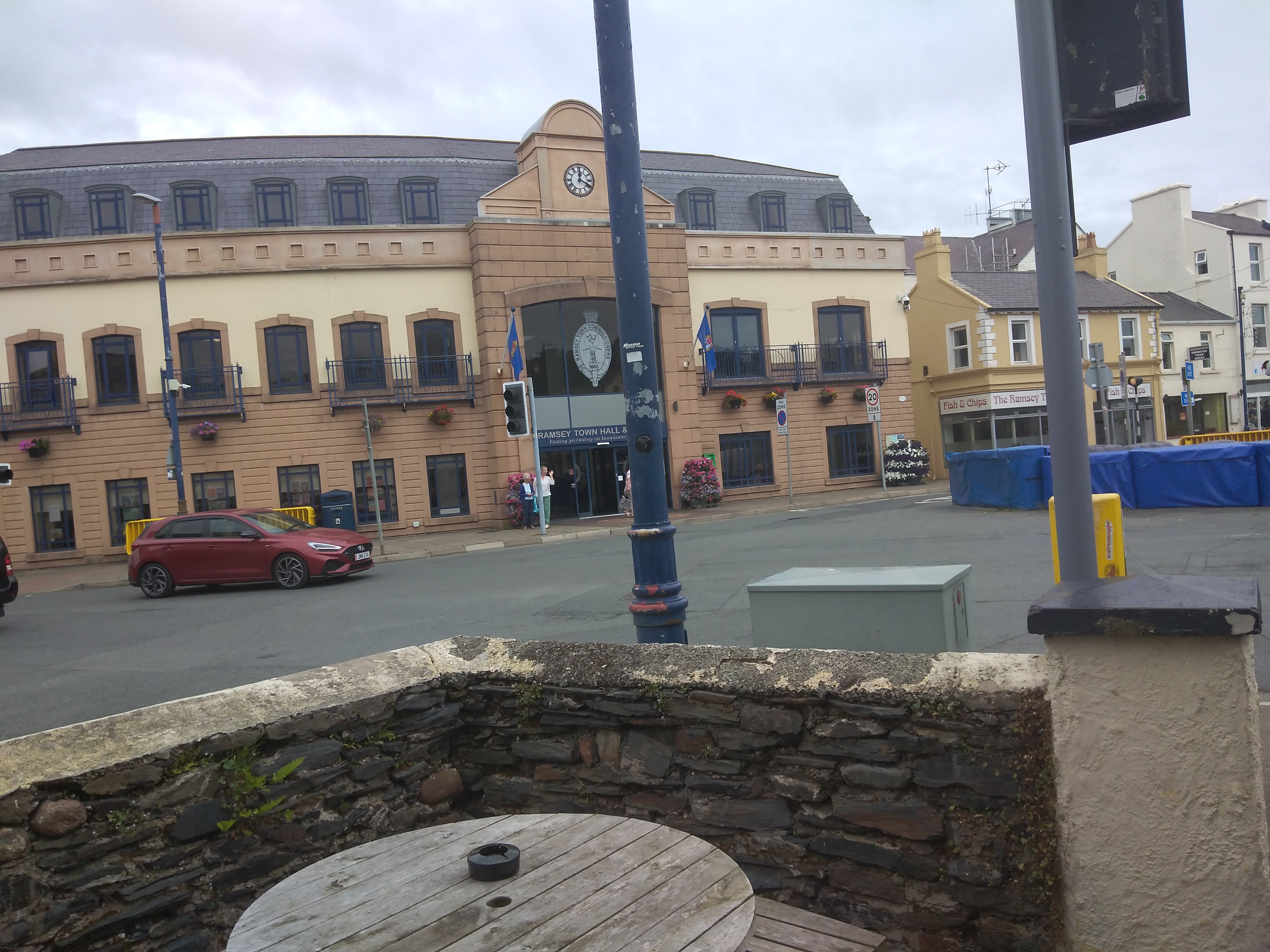
Ramsey, the second biggest town in Mannin, is a beautiful, quiet town with shops, cafes and restaurants, a big park and a couple of long sandy beaches; life here is leisurely – ‘traa dy liooar’ is the Manx motto, ‘time enough’, no need to hurry!

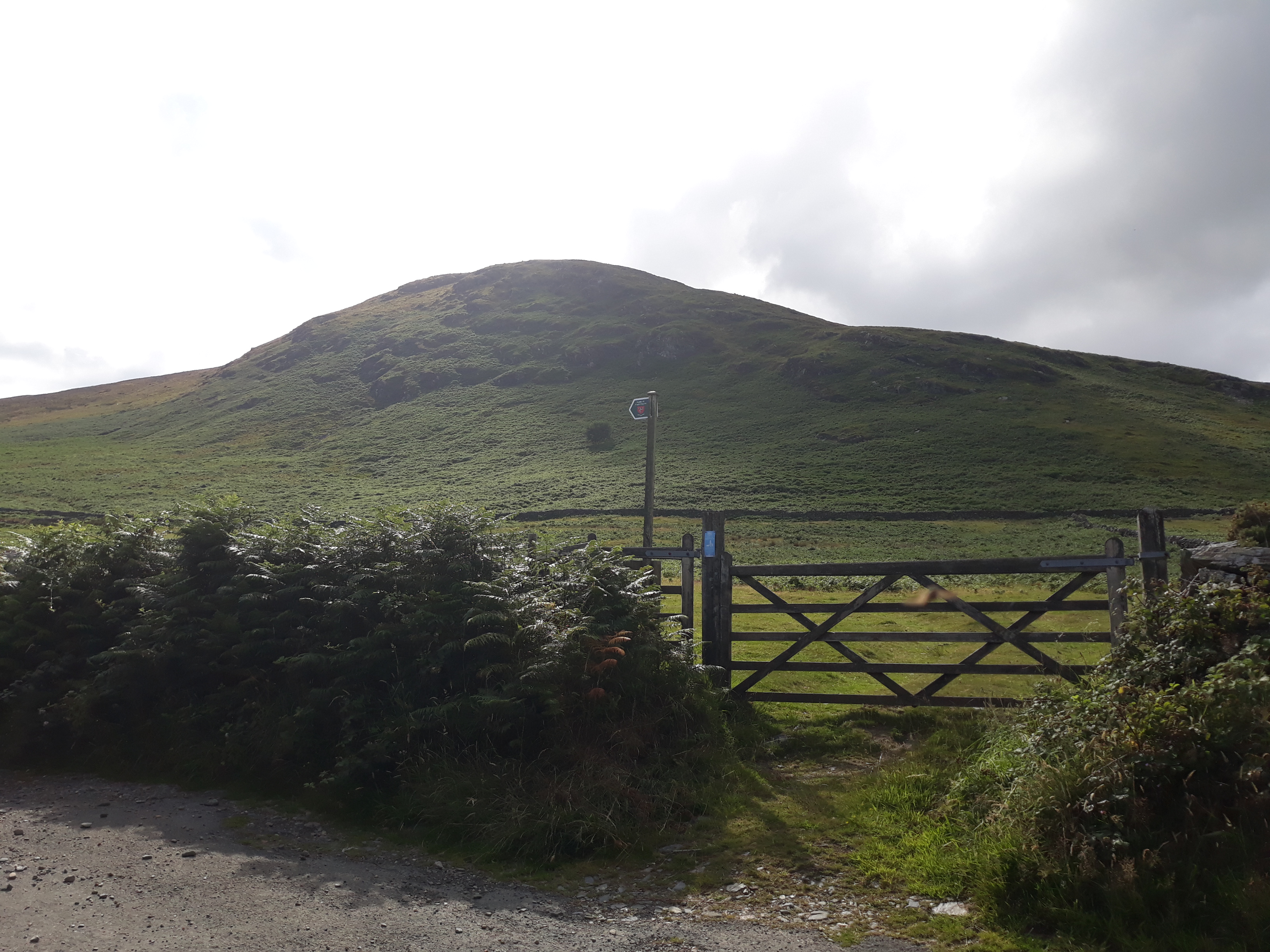
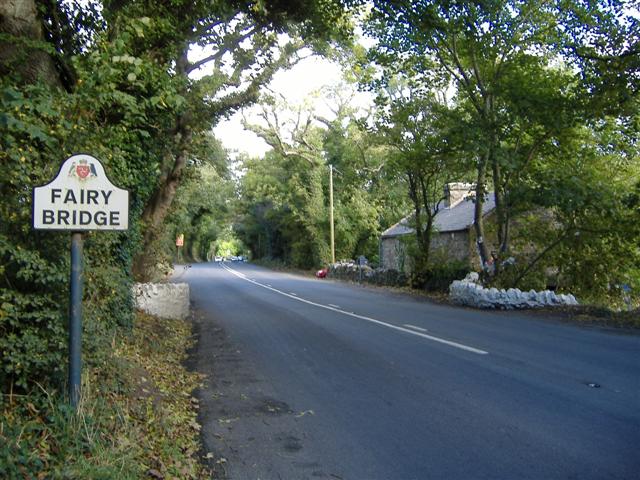
Then we went on the mountain road up Snaefell – to be honest, I’m not too keen on heights, but the views are rather stunning, more material for photos, and for the imagination – with all the mist up here, it’s no wonder there are so many stories on Mannin about ghosts, shape shifters and fairies (there even are two ‘fairy bridges’ on the island, where people driving over have to greet the ‘little people’, or else they’ll start playing mischief!) …
The most famous landmark on the island, though, is from the very down-to-earth era called the Industrial Revolution: the Laxey Wheel, a waterwheel (the largest surviving one in the world) built in 1854 to pump water from the nearby mines where silver, lead and zinc were mined in great quantities by up to 600 workers.
Admirably maintained by Manx National Heritage, ‘Lady Isabella’, as she is called locally, still works like clockwork and shines in red and white amidst the rural landscape, one of the most identifiable tourist attractions on Mannin. The entrance fee is rather high, though, and since I didn’t fancy climbing to the top, anyway, we took our pictures from outside the designated area…

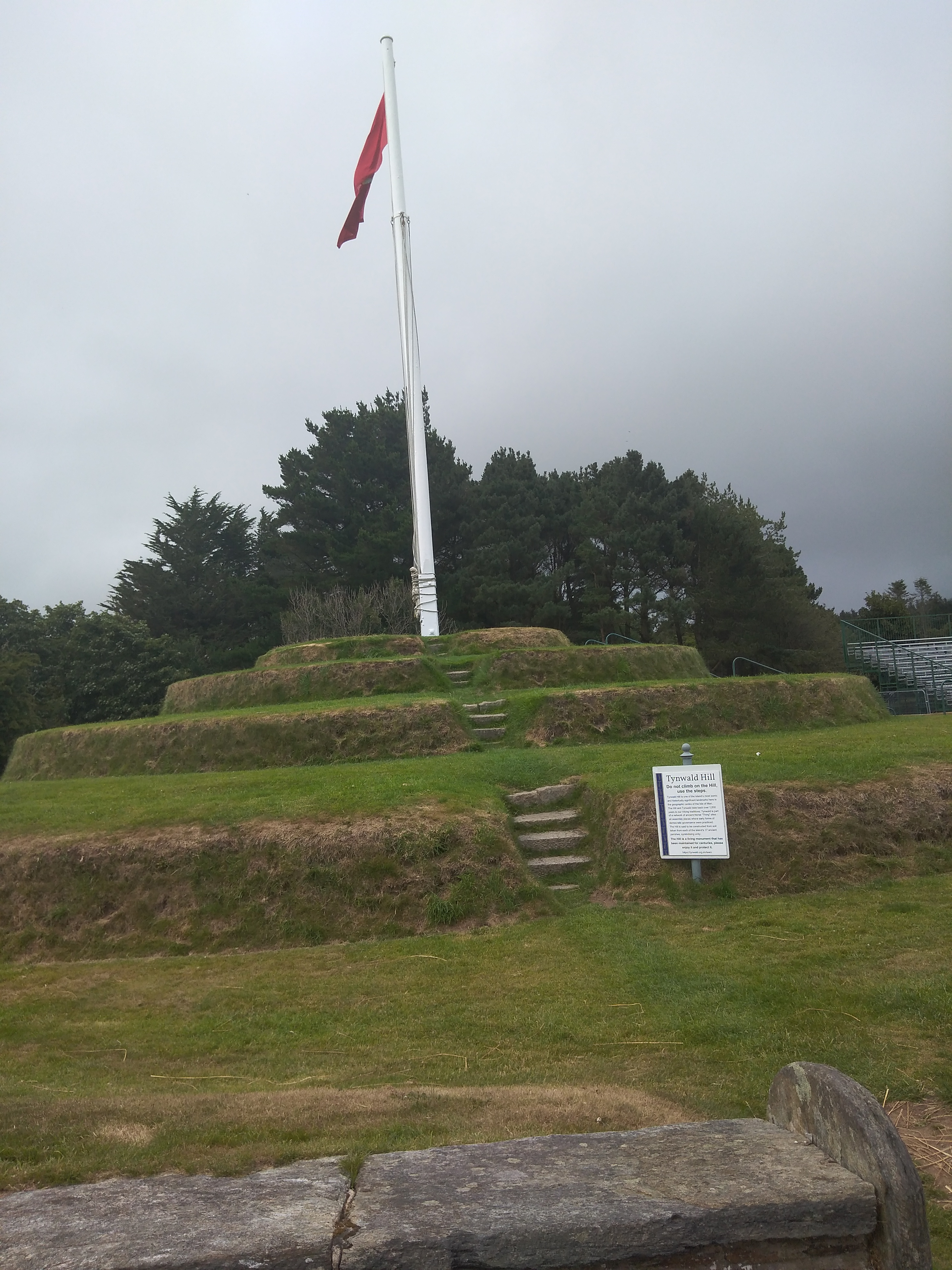
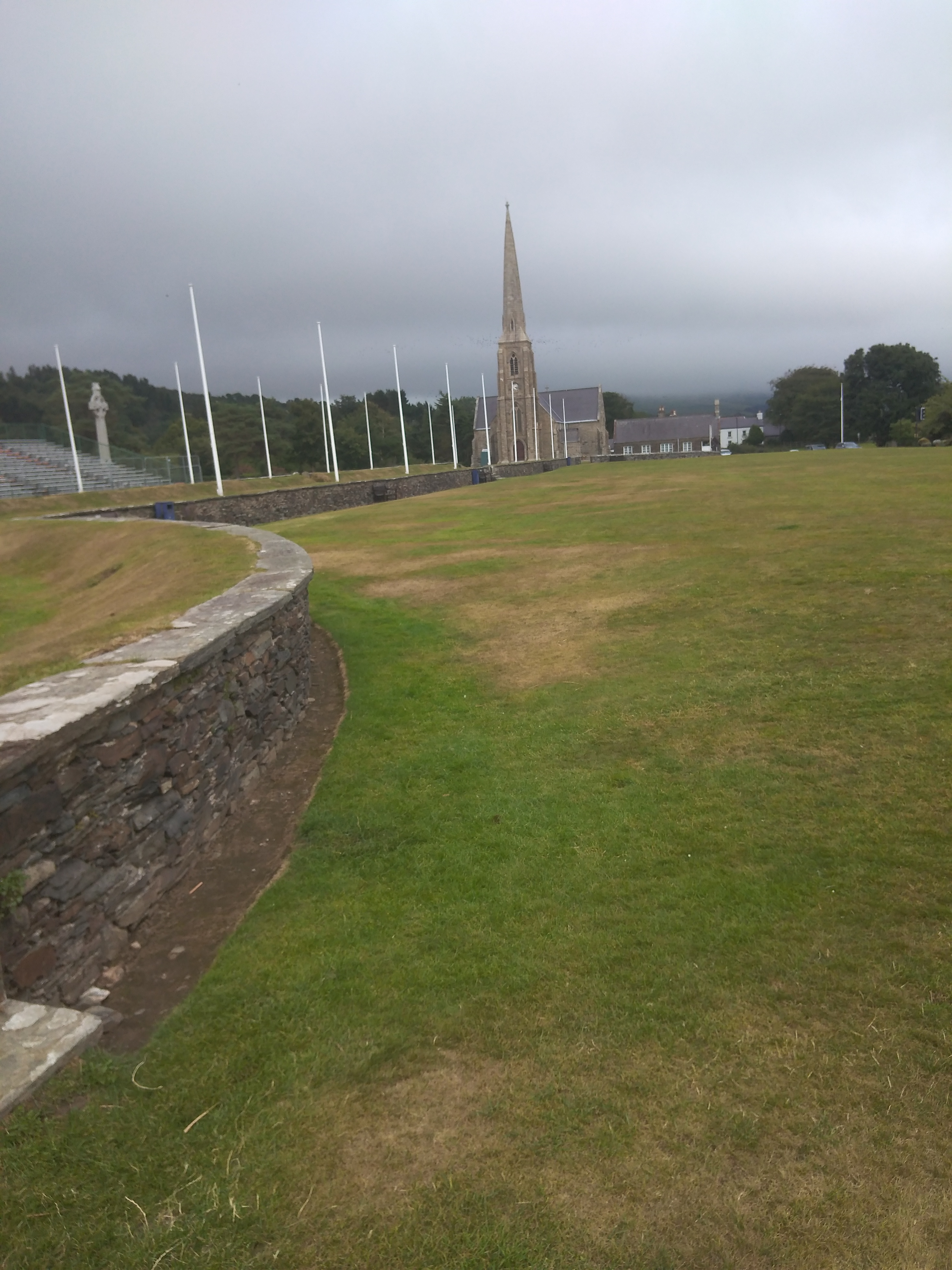
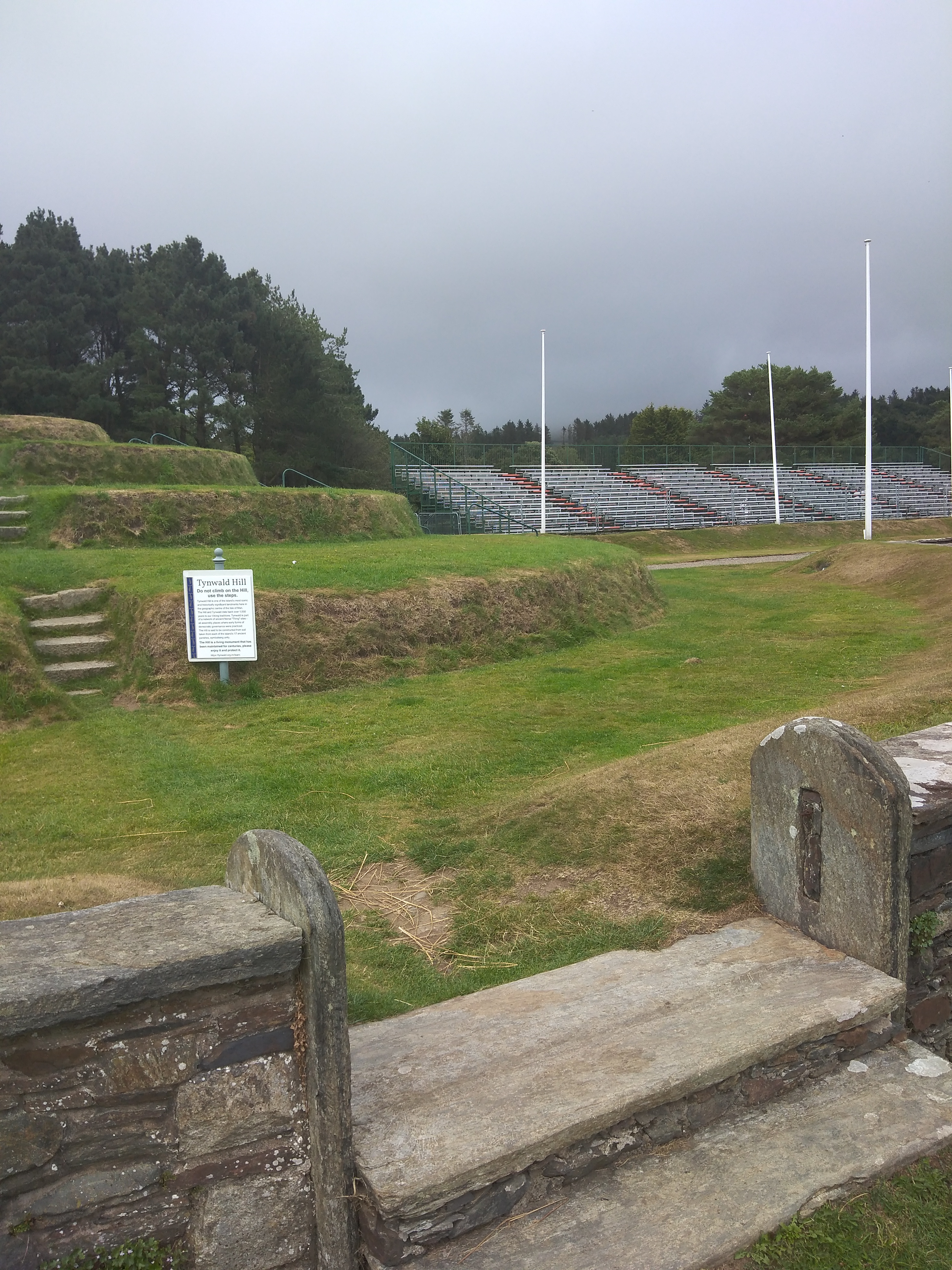
We didn’t have time to visit Castle Rushen on the southern end of the island; we decided that Peel Castle in the East would probably be more interesting, so we headed there. On the way, we stopped at Tynwald Hill – the seat of said parliament, first set up by the Vikings more than 1,000 years ago, the symbol of Manx democracy.
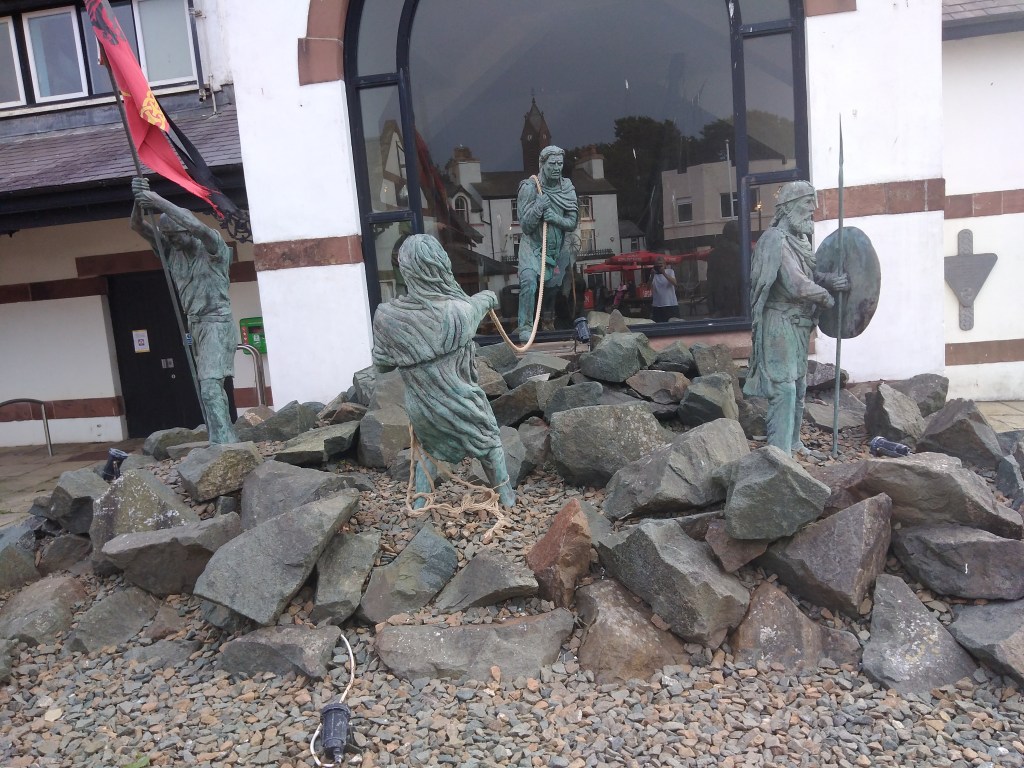
Then we came into Peel, once the strategically most important place in Mannin and now a lively seaside town with a marina, great seafood restaurants and a fabulous historical museum, the House of Manannan, named after the sea god who is said to have given his name to the island.
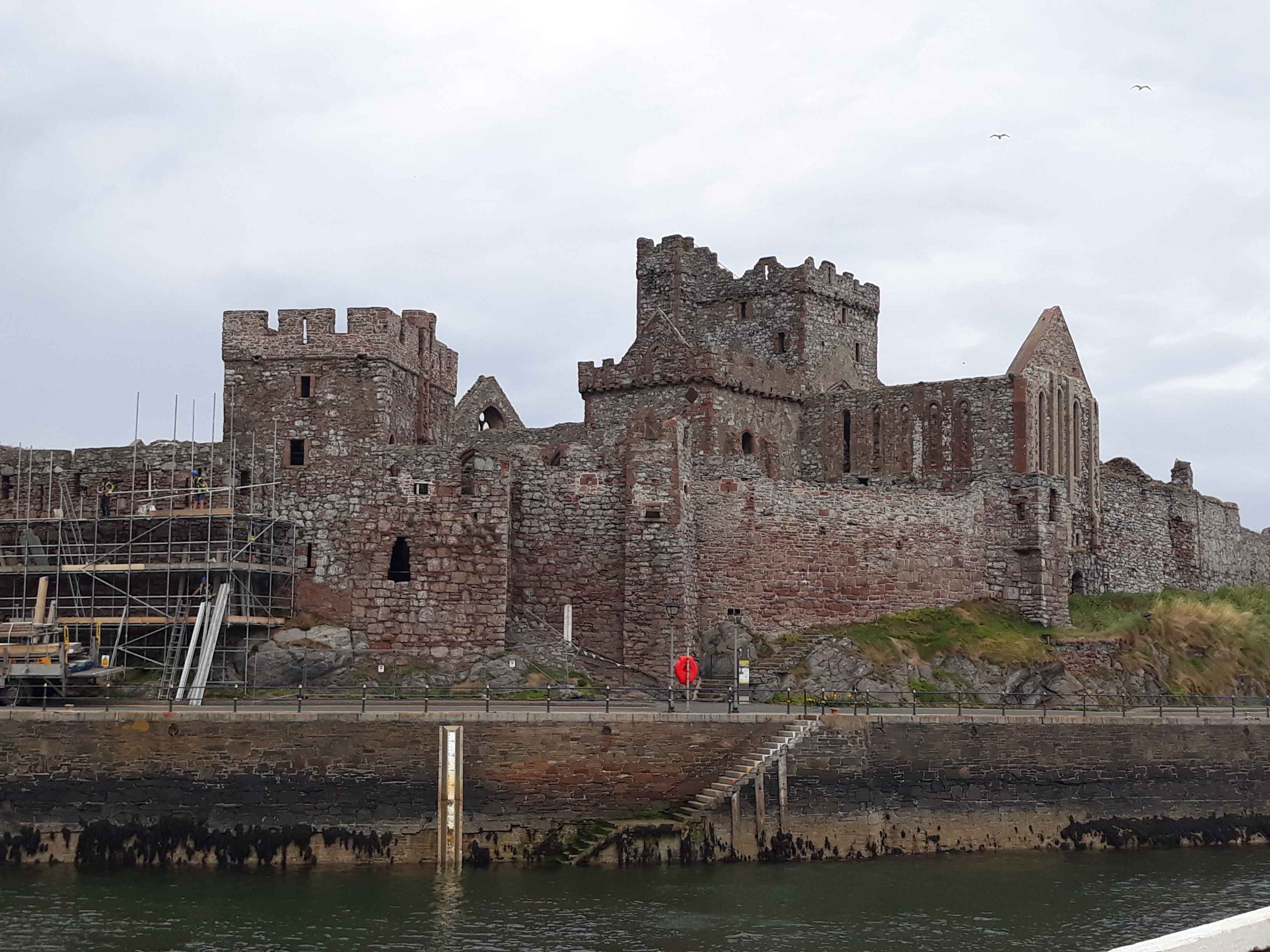
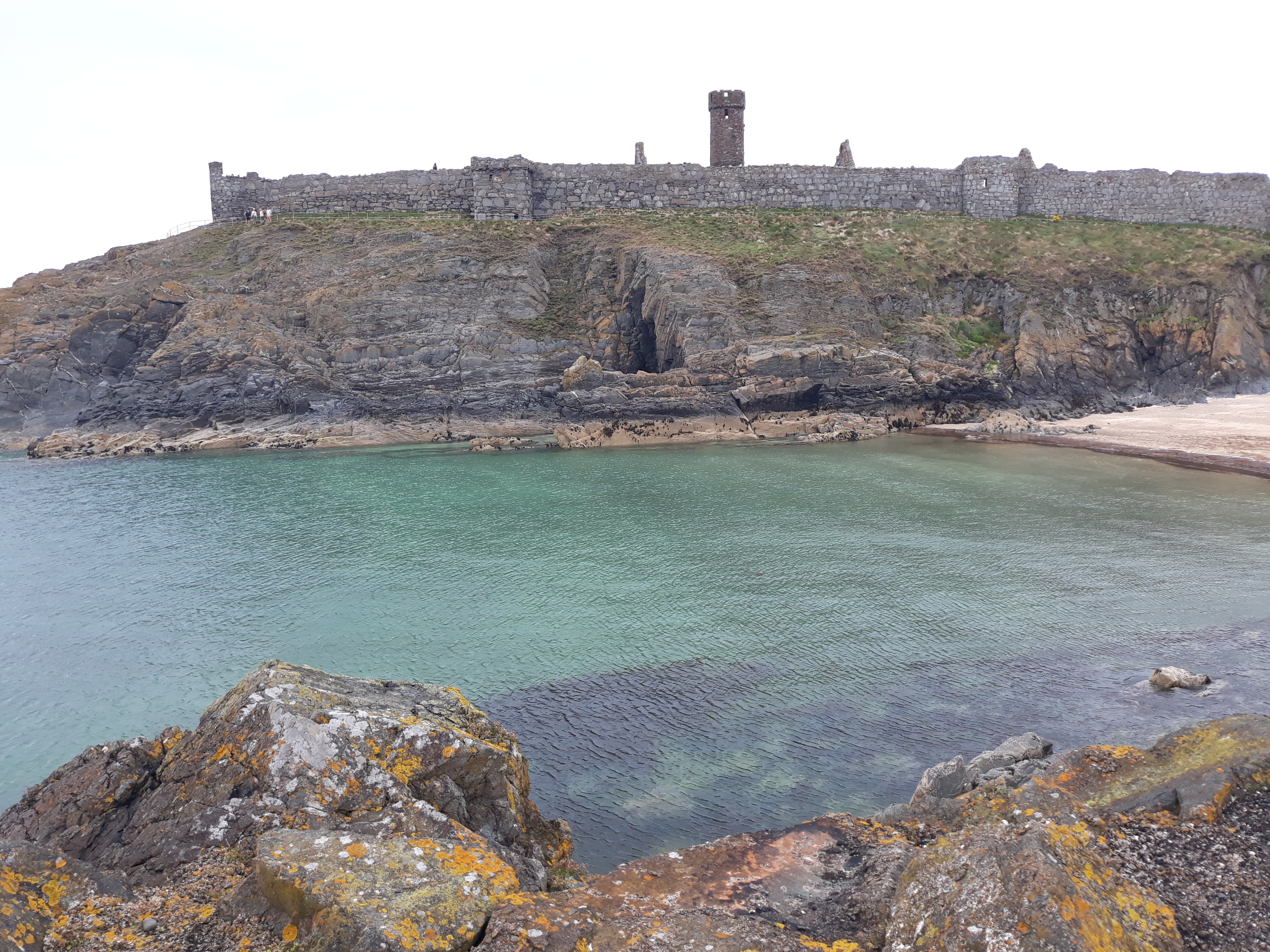
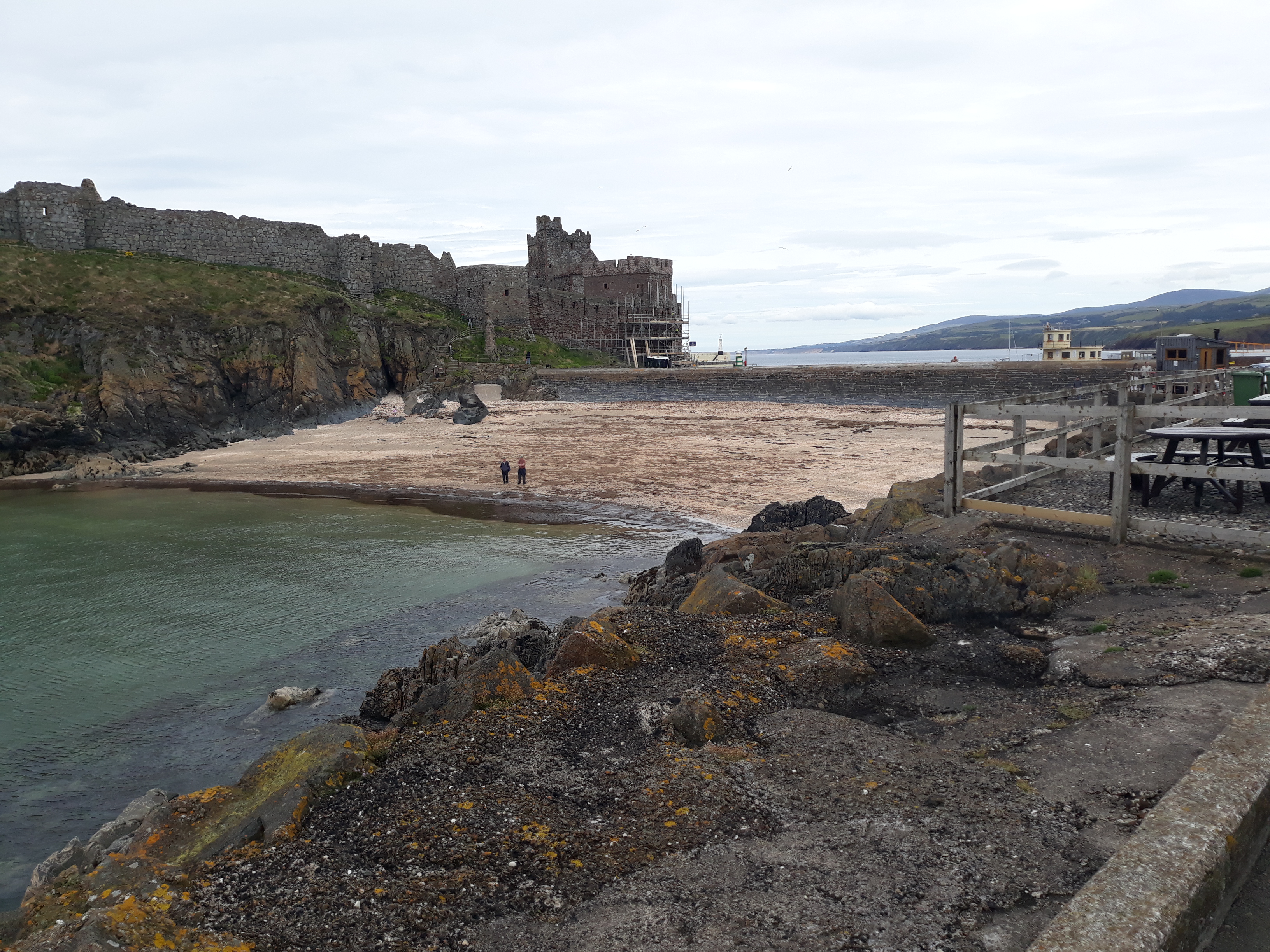
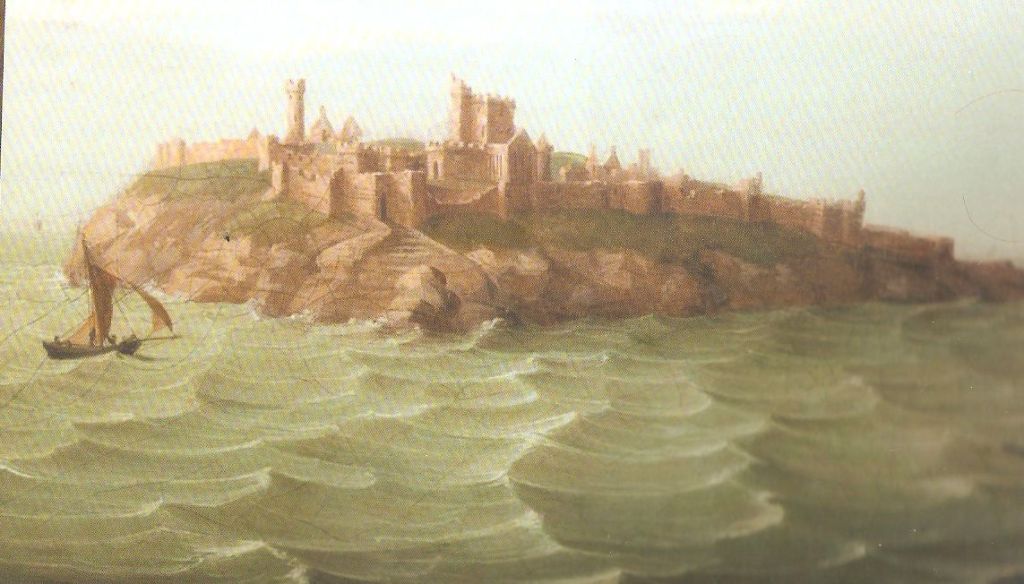
But the pearl of Peel is its castle – a whole medieval and early modern settlement, on what was once a separate island, in parts remarkably well preserved, and just unbelievably romantic to look at, and to walk around in!
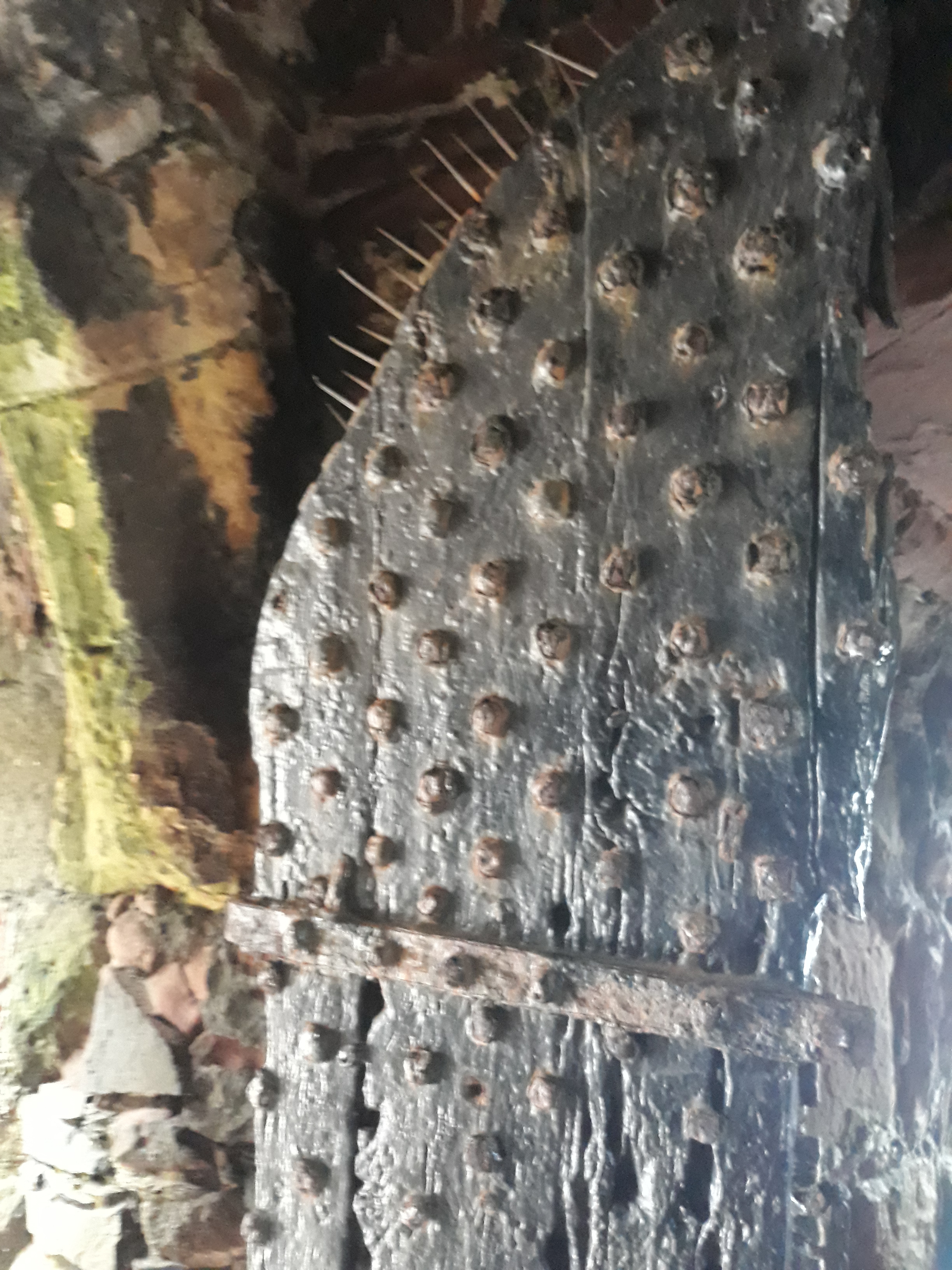
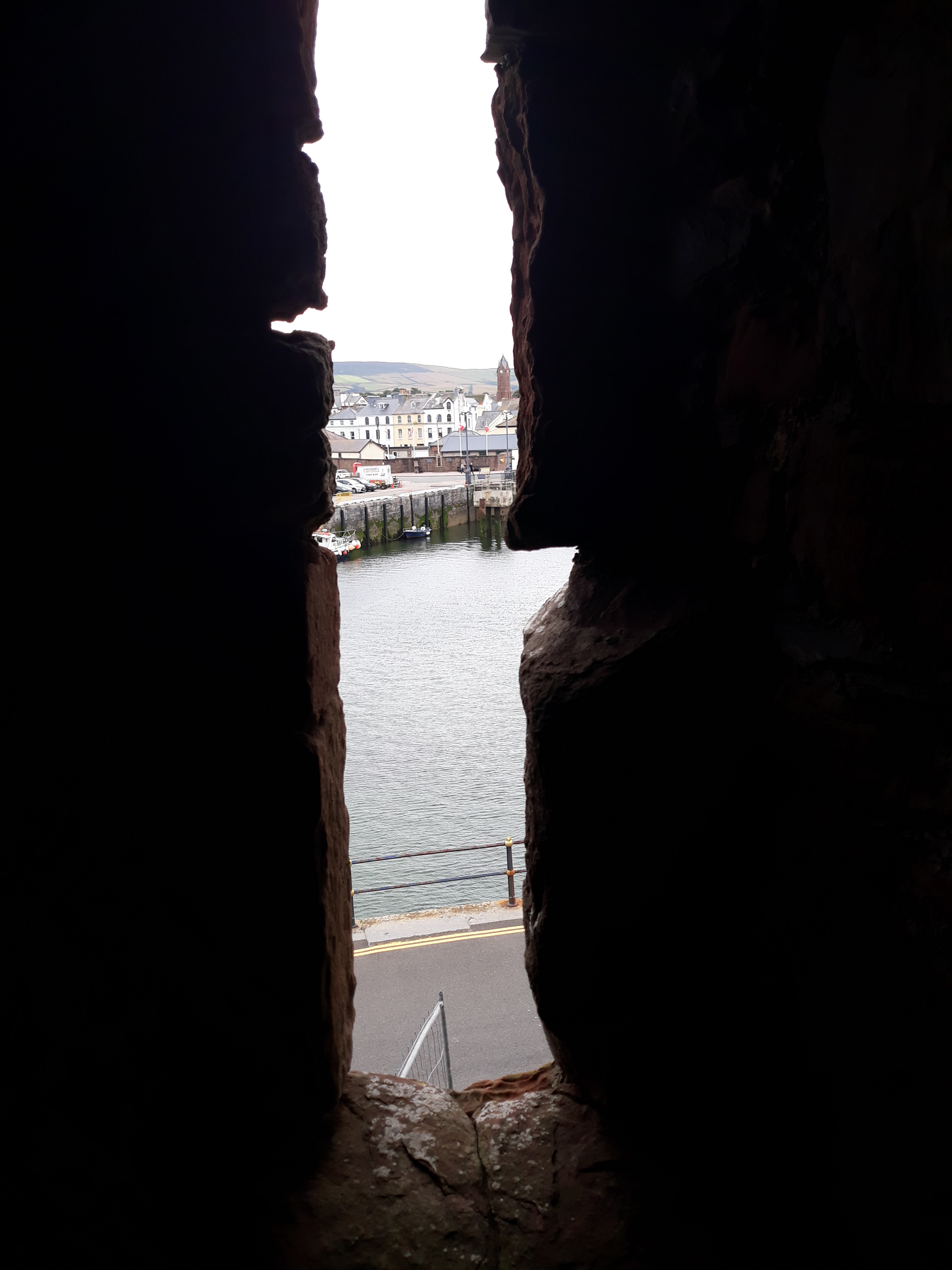
The adventure starts right at the entrance door – equipped with big metal spikes – and the adjacent loophole in the wall from where the warriors used to shoot their arrows at approaching enemies.
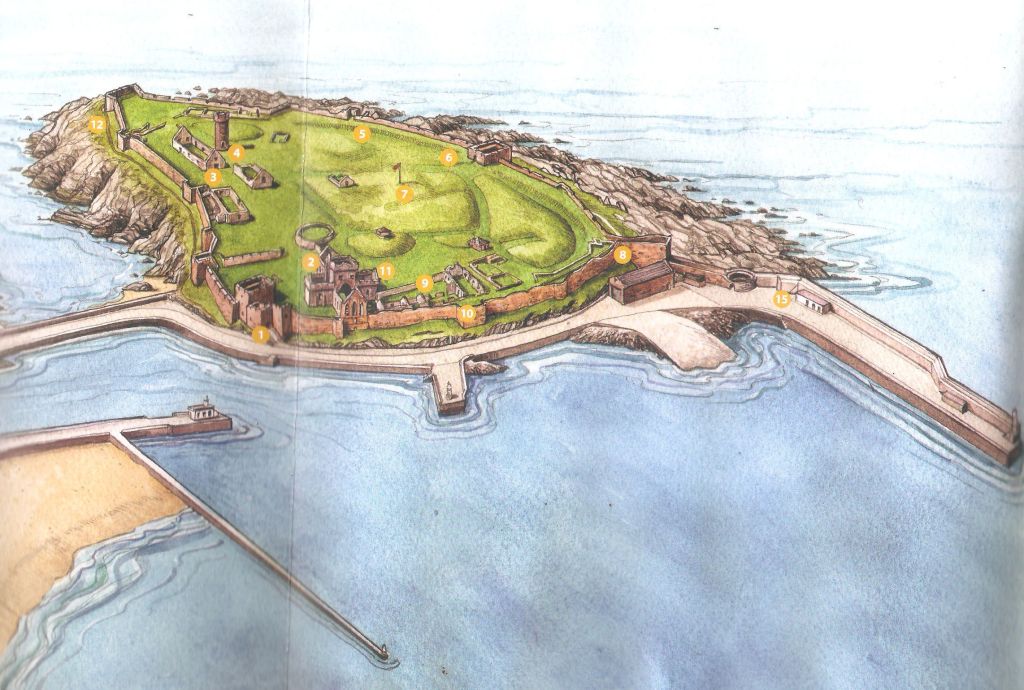
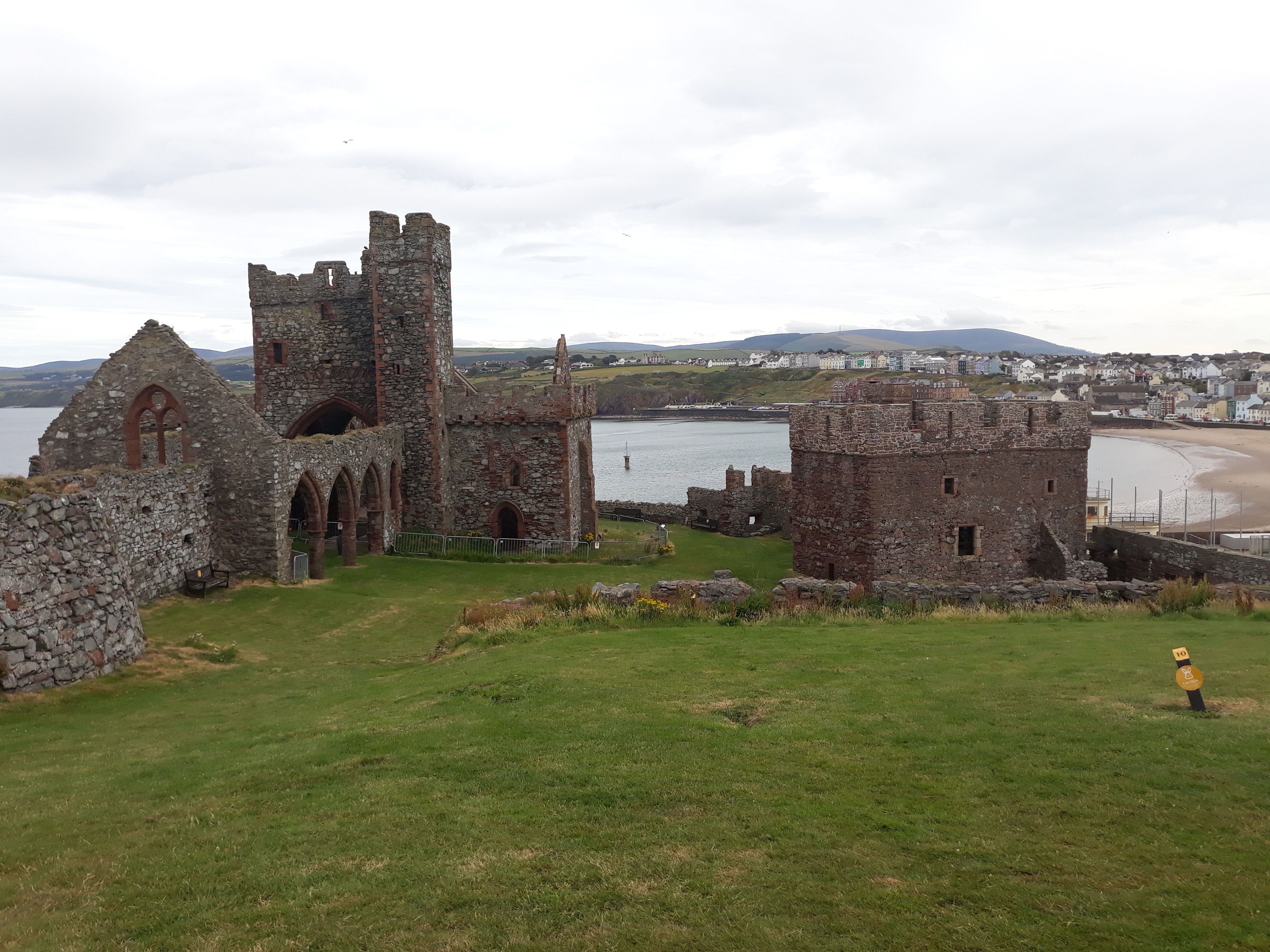
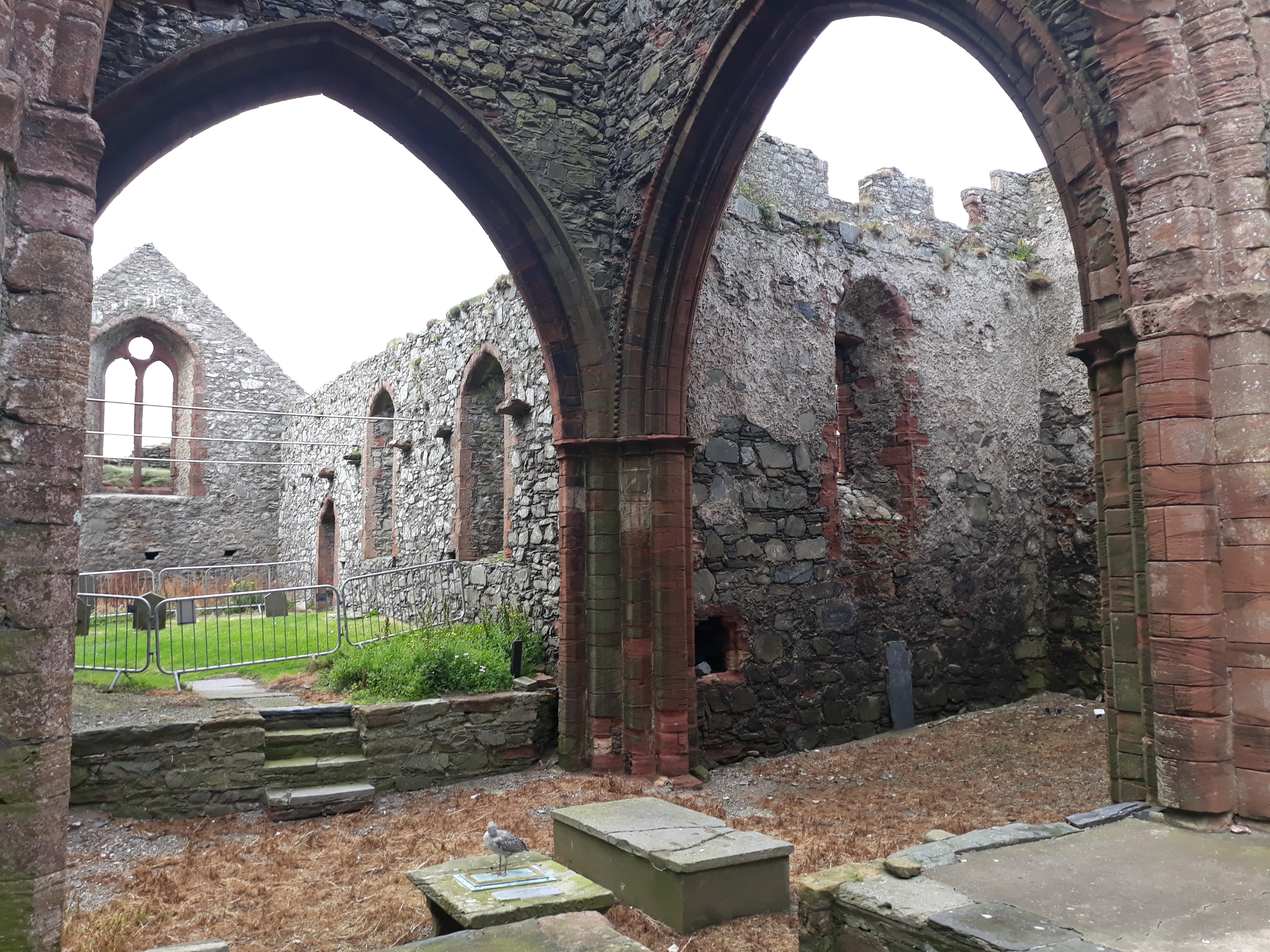
To the right (number 2 on the plan) is St. German’s Cathedral from the 12th century, built in gothic style by the Vikings, the largest building on St. Patrick’s Isle; the high pointed arches are still intact and speak of the splendour and power of the medieval bishops who resided there.


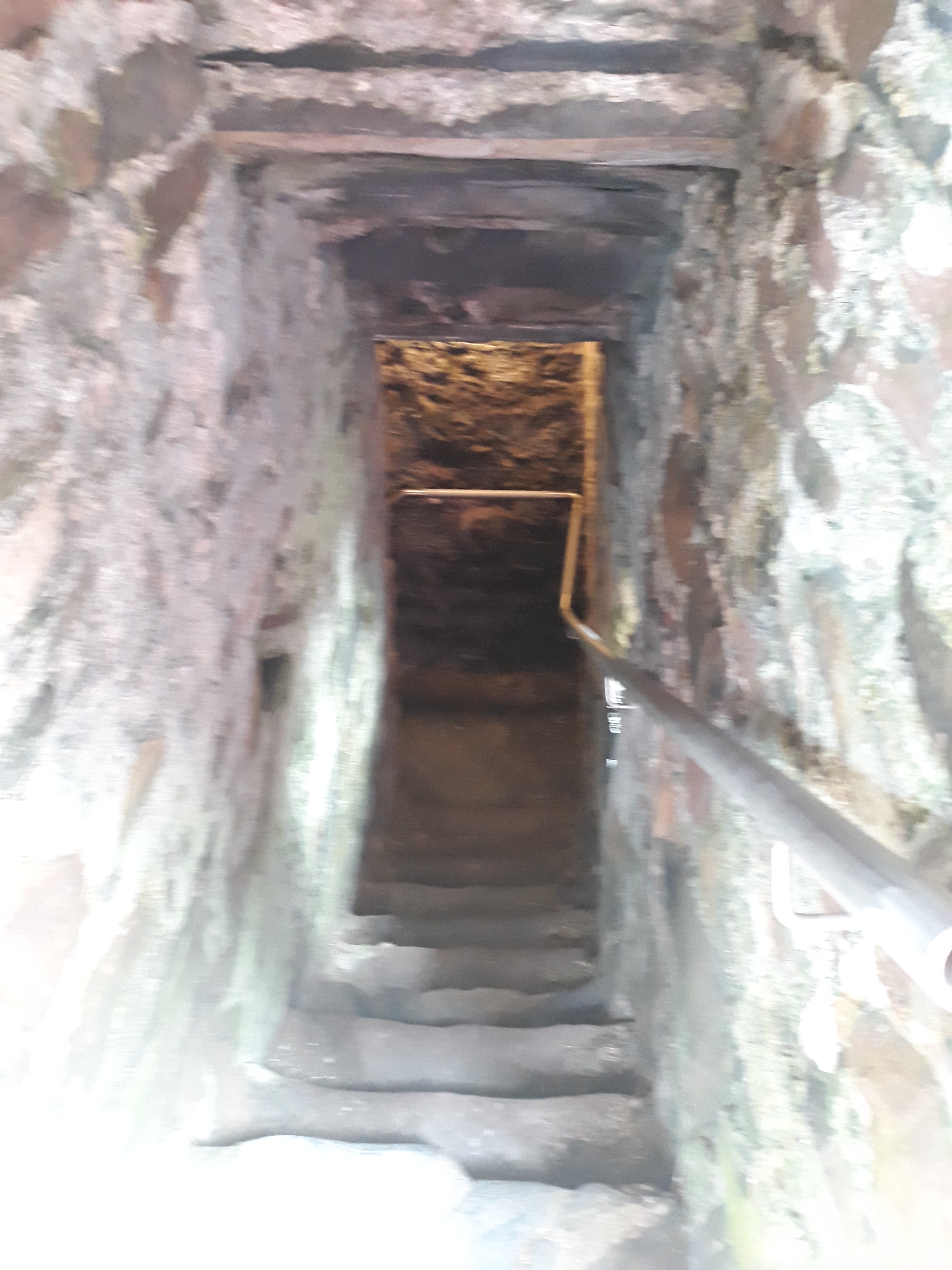
And in one corner, there is a dark narrow staircase leading to a vault – what an adventure to climb down those steps, makes you feel like you were back in the Middle Ages! The vault looks really sinister and claustrophobic – no wonder, since it was often used as a prison for disobedient subjects!
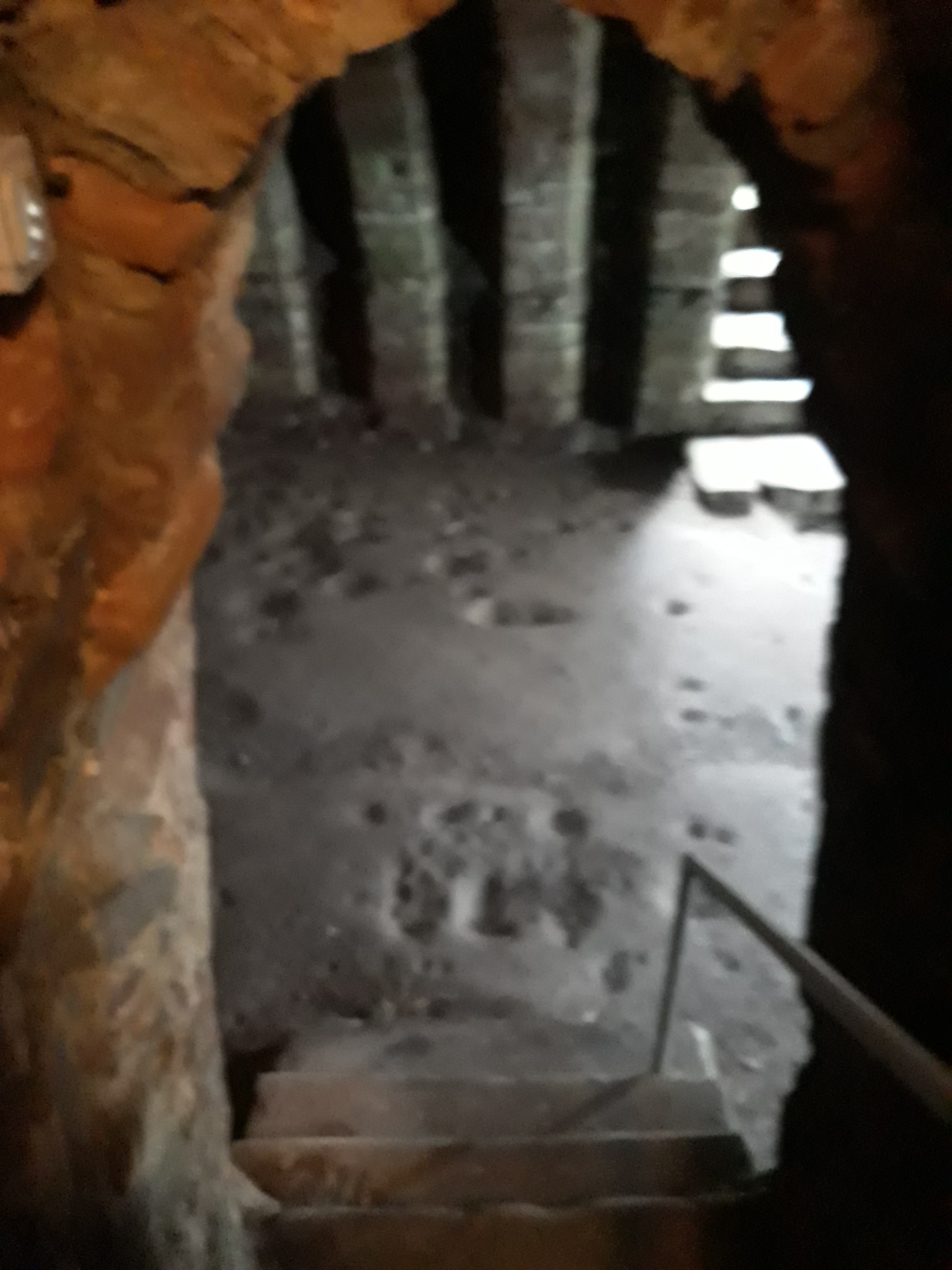
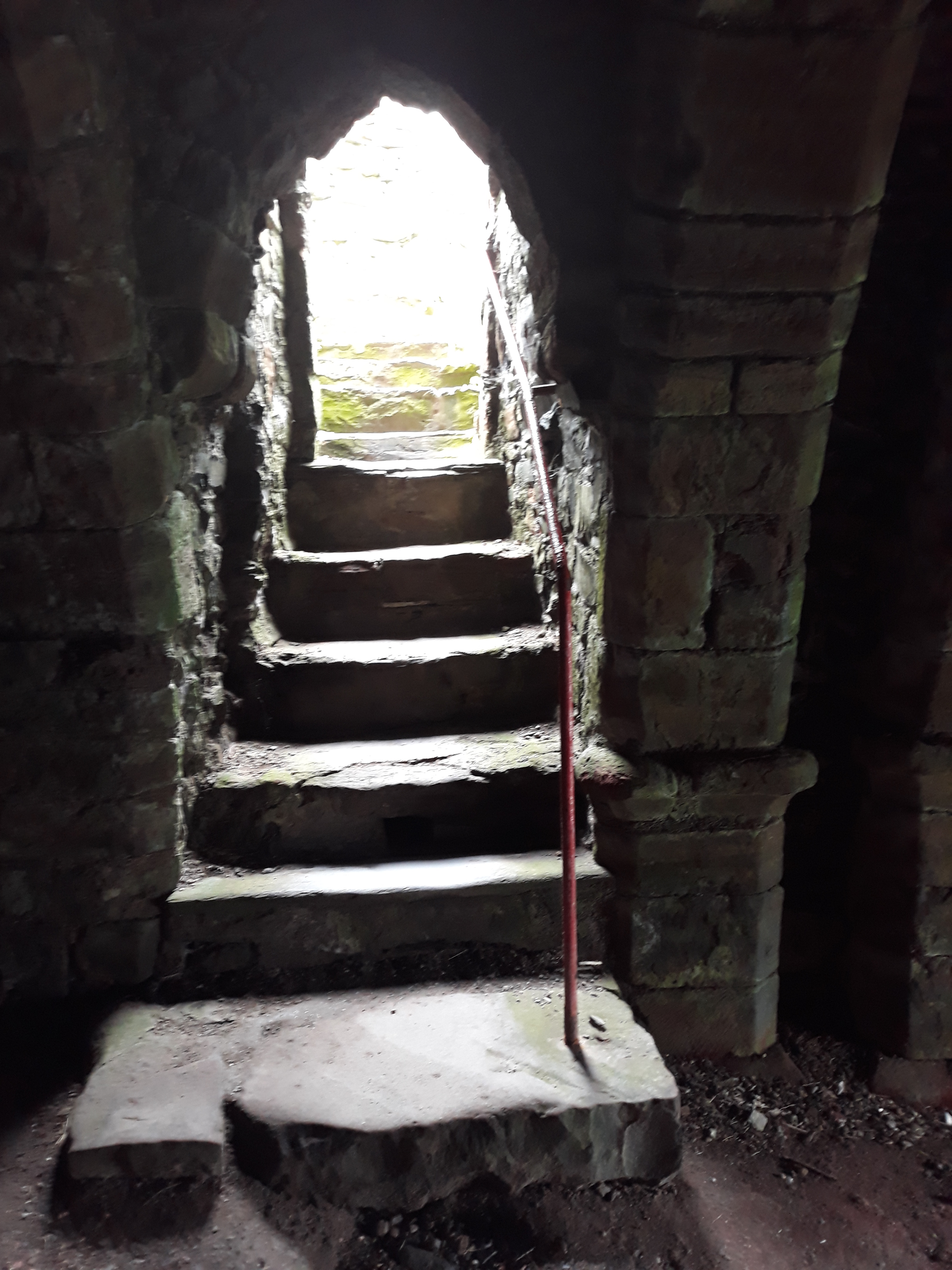
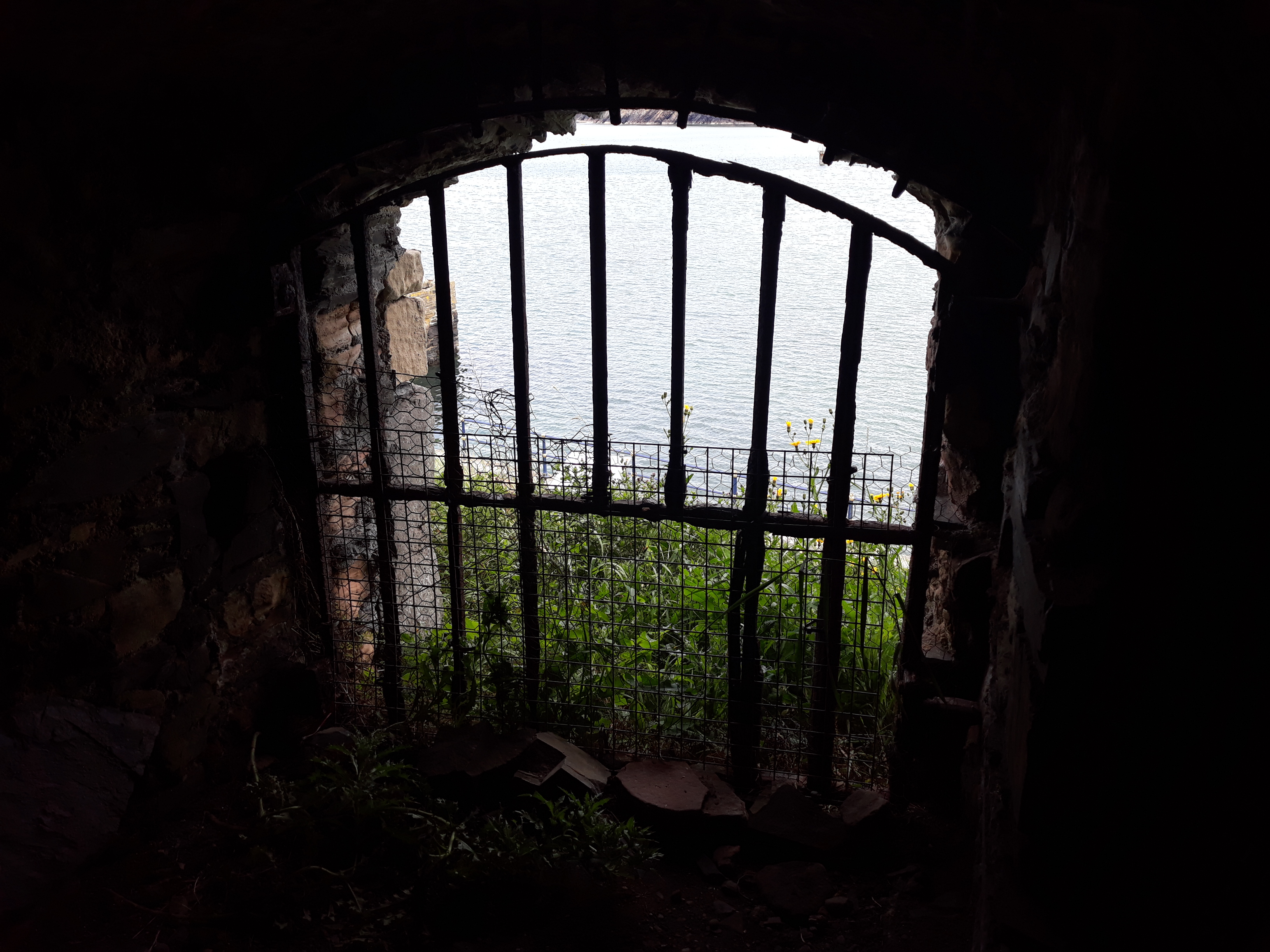
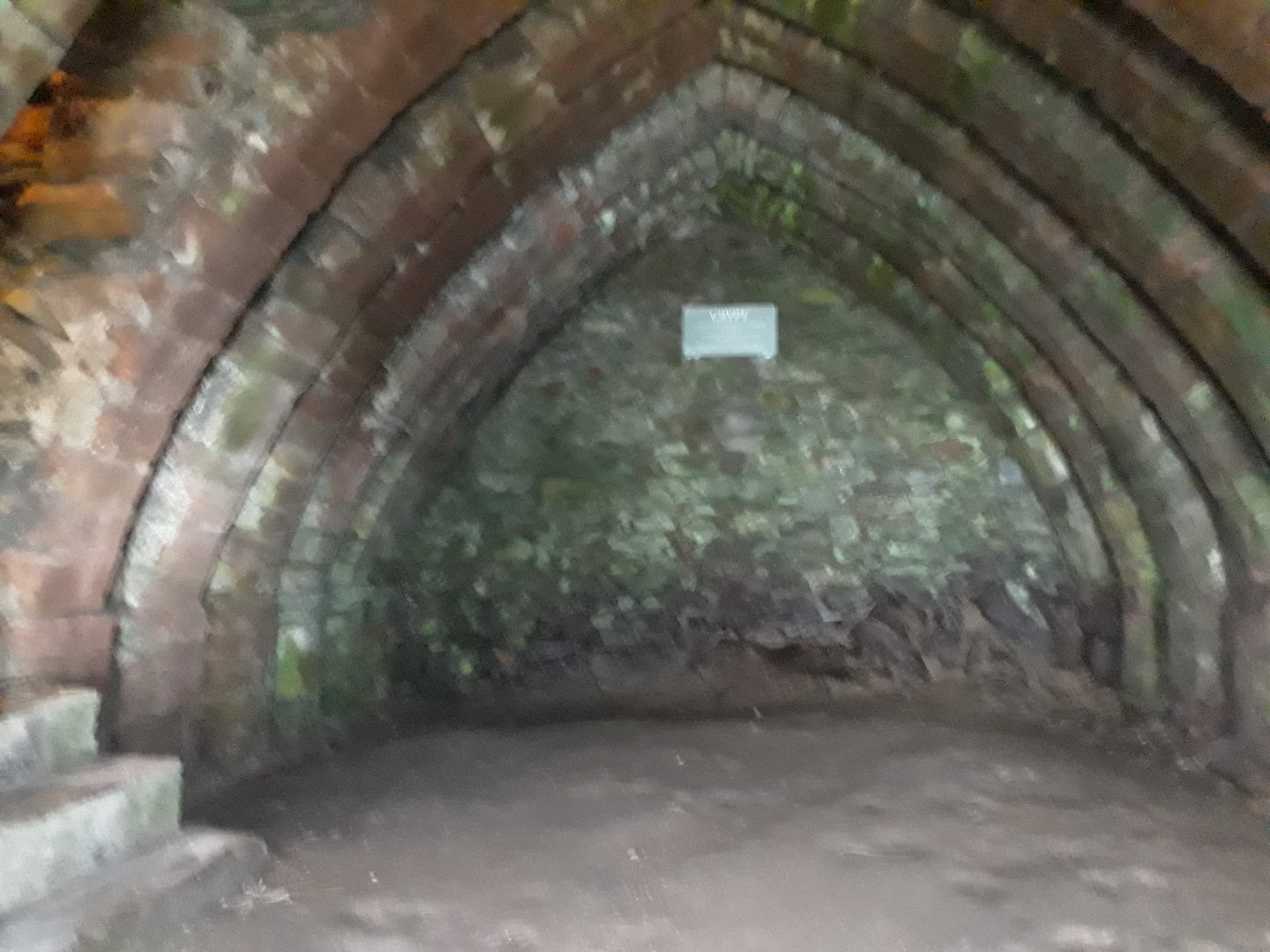

As you emerge from the vault on the other side, you come into the living quarters of the isle’s inhabitants; the ones visible today are from later days (16th century), when the Earls of Derby ruled over Mannin, but underneath are the medieval ones complete with kitchen and guest rooms.
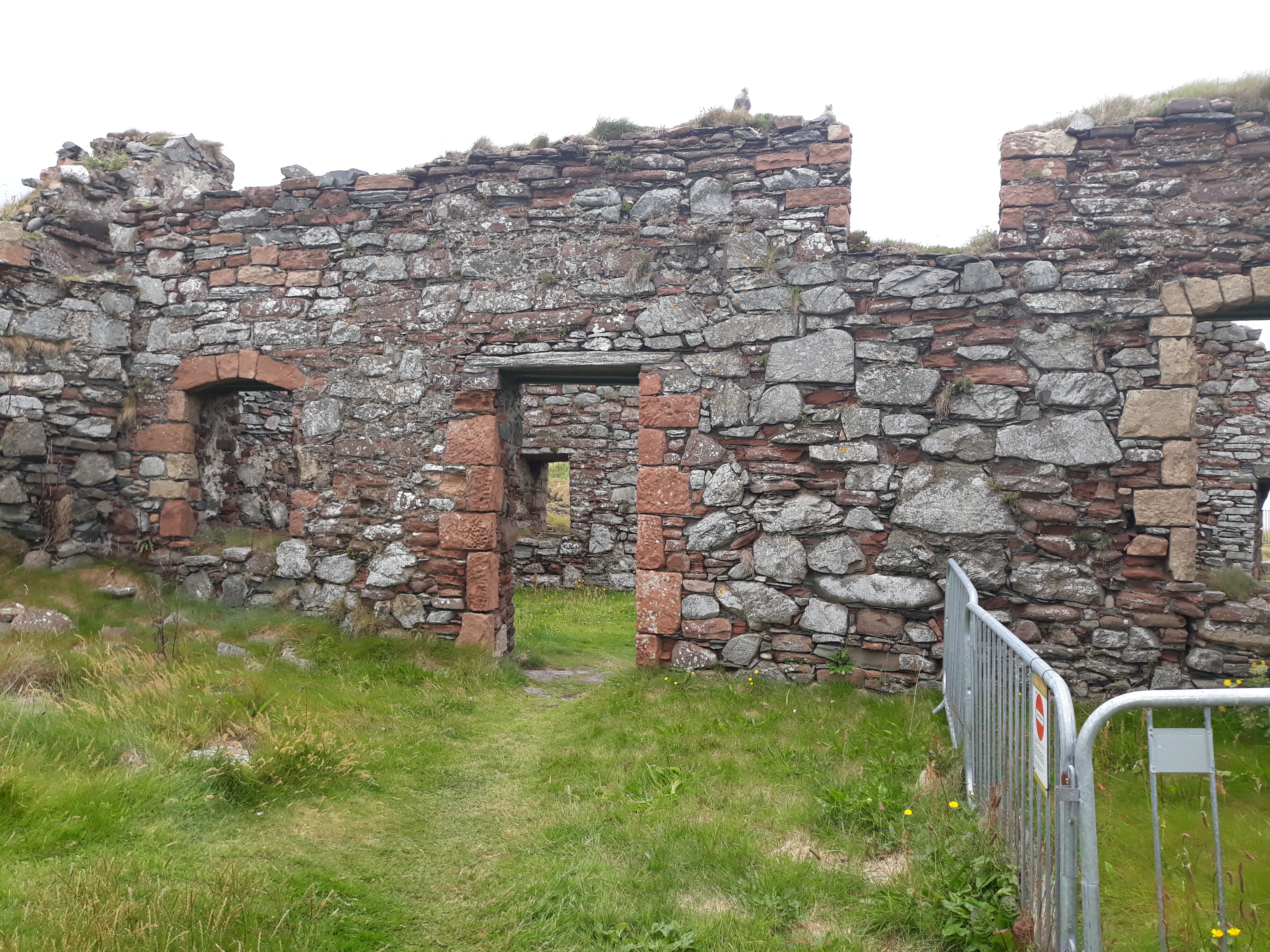

The oldest parts of the complex, though, are St. Patrick’s Church and the Celtic Round Tower (4), built around 950, obviously by Celts of Irish background: the church (and the whole isle) is named after the Irish patron saint St. Patrick who christianised the whole area, and the tower is built in exactly the same style as the ones in Ireland, and with the same purpose: protection from the invading Vikings…
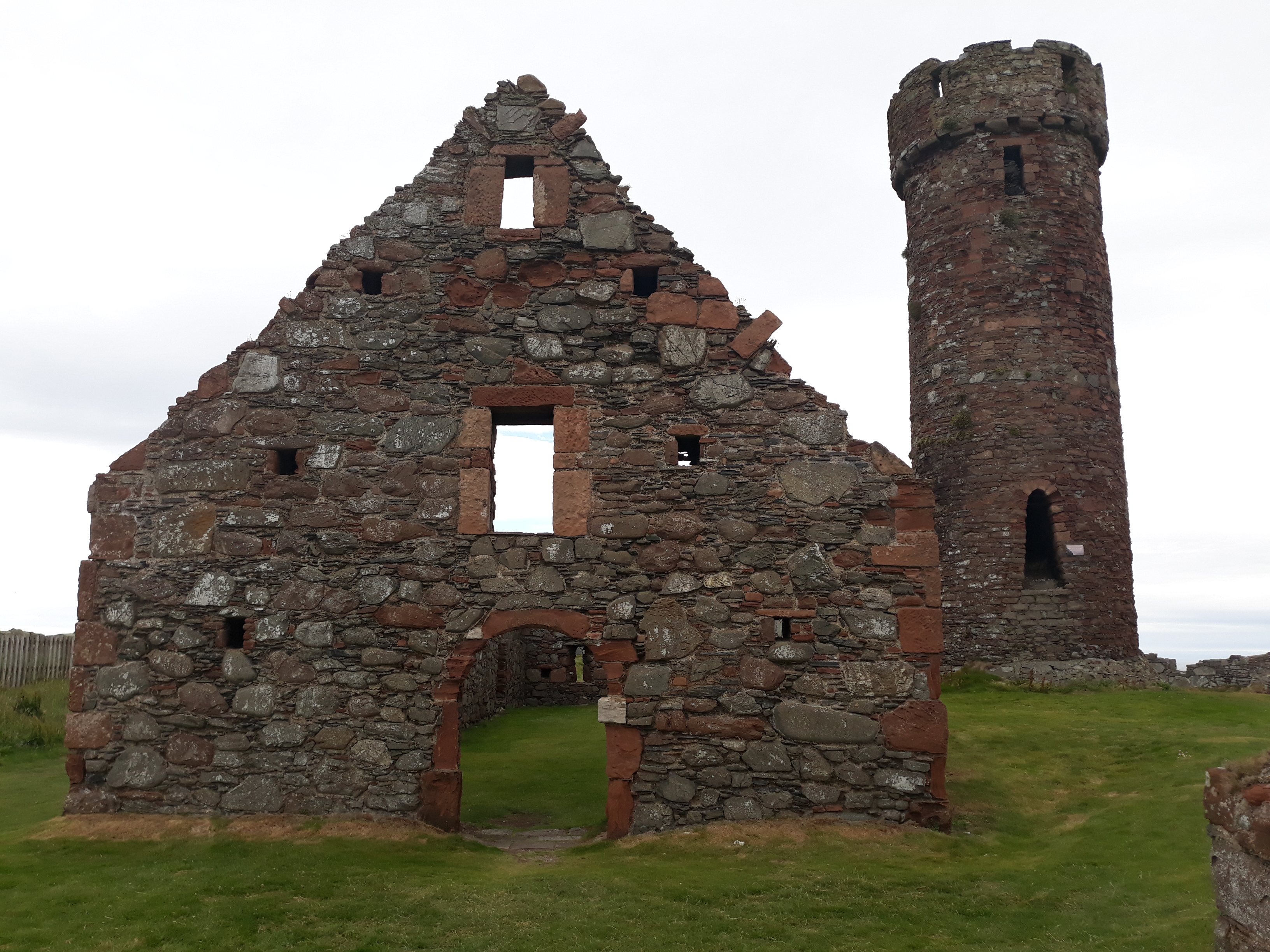
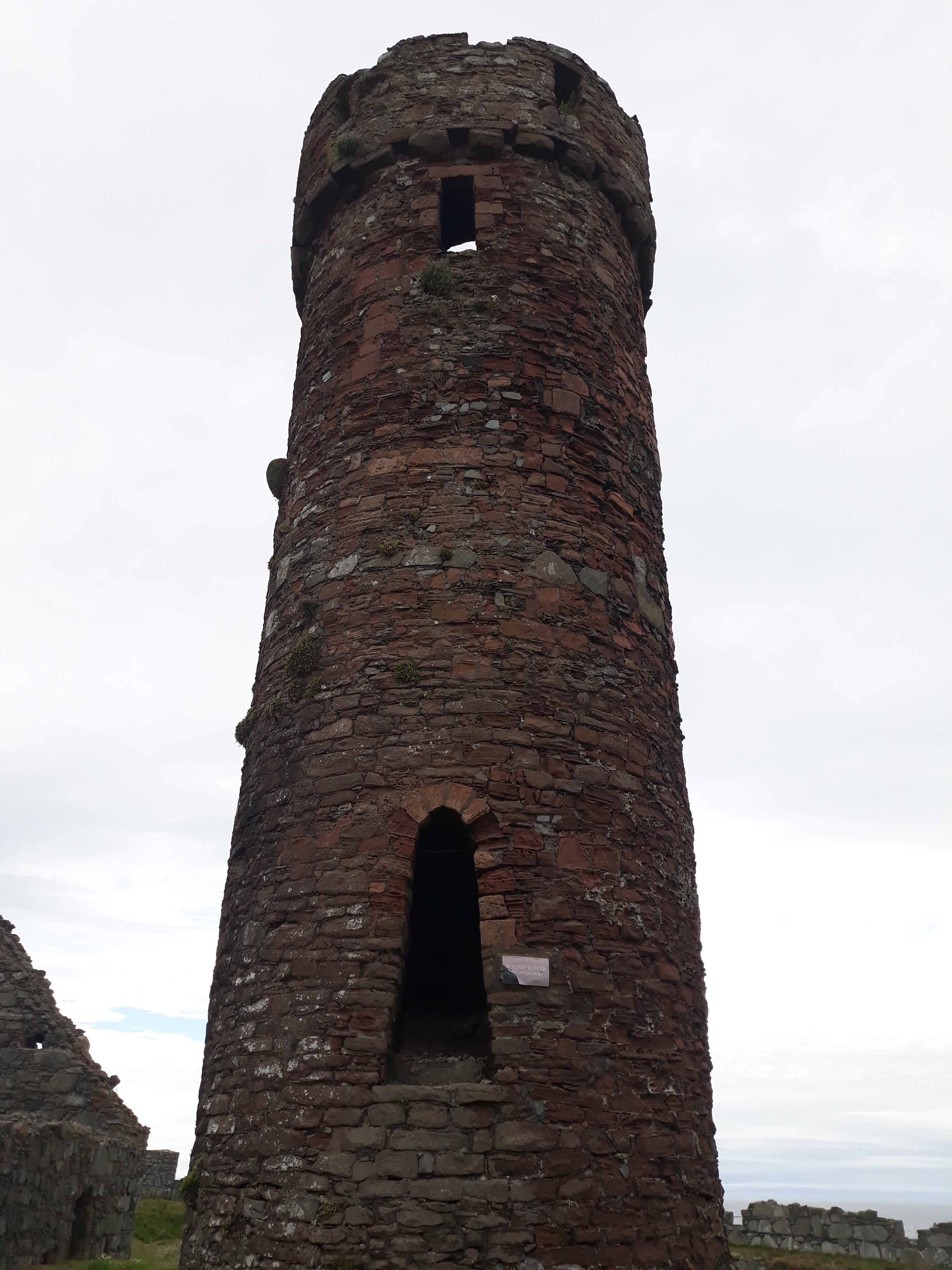
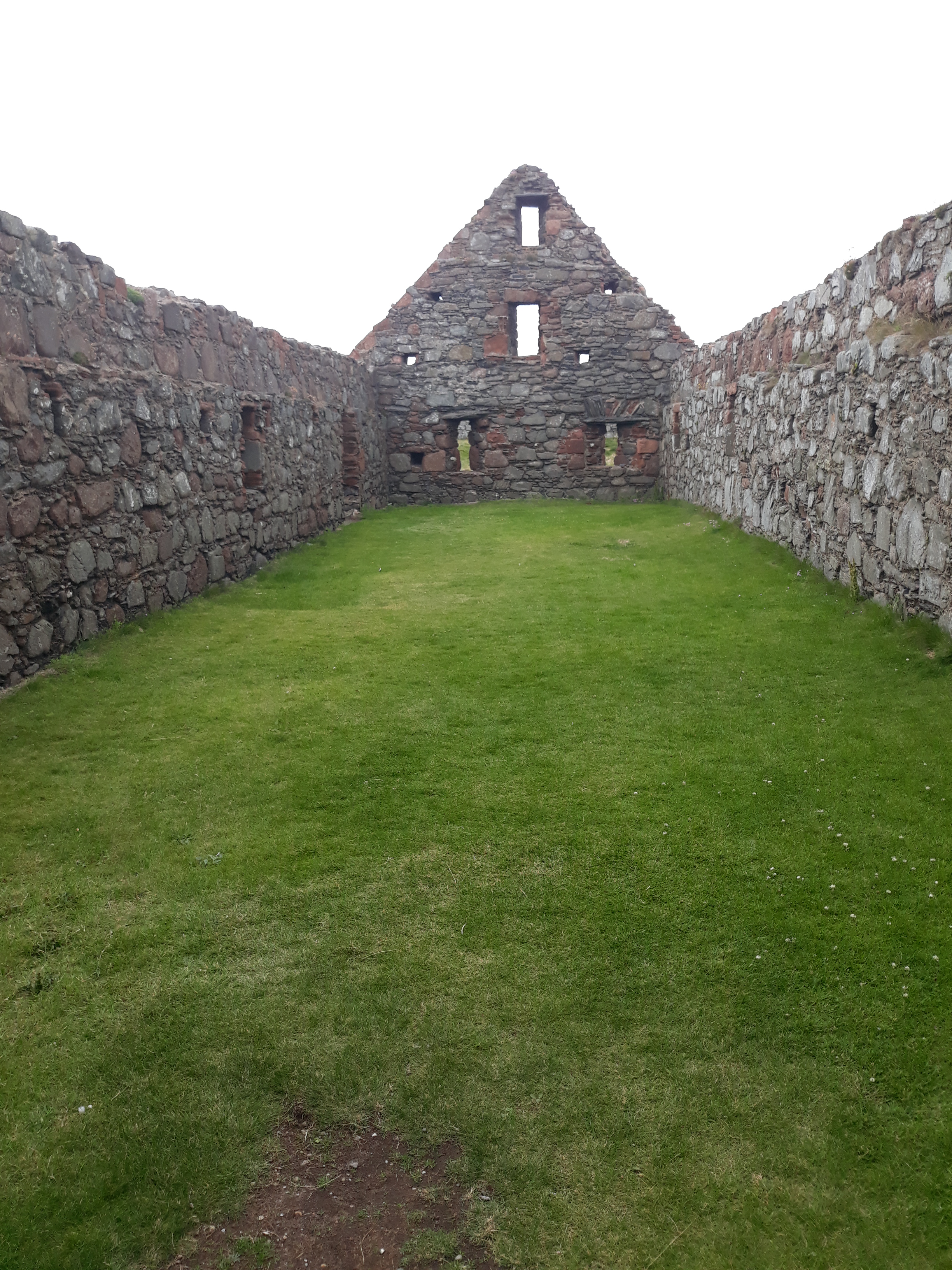
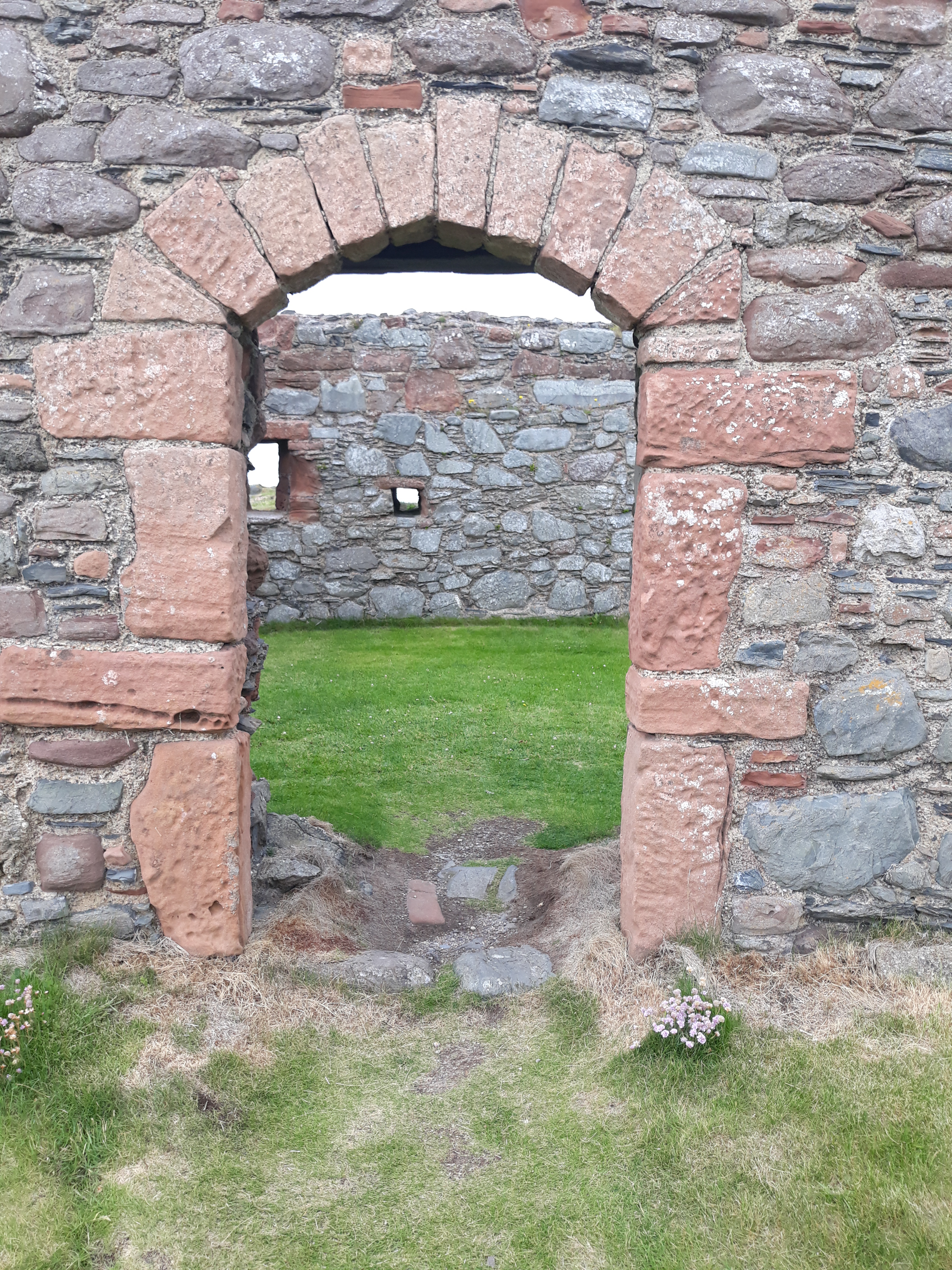

And besides all the exciting medieval adventure, from here you also get a really spectacular view over Peel…
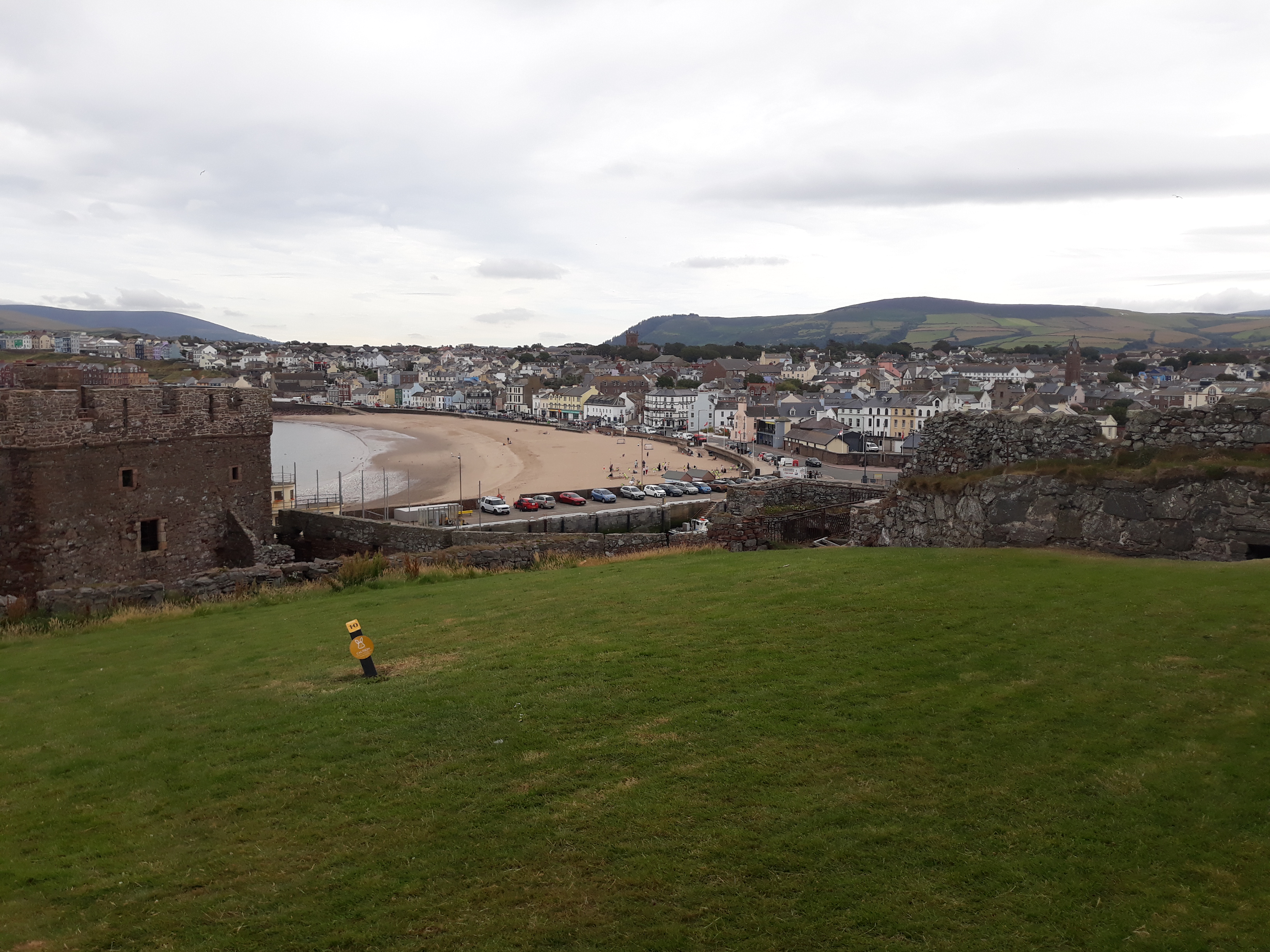
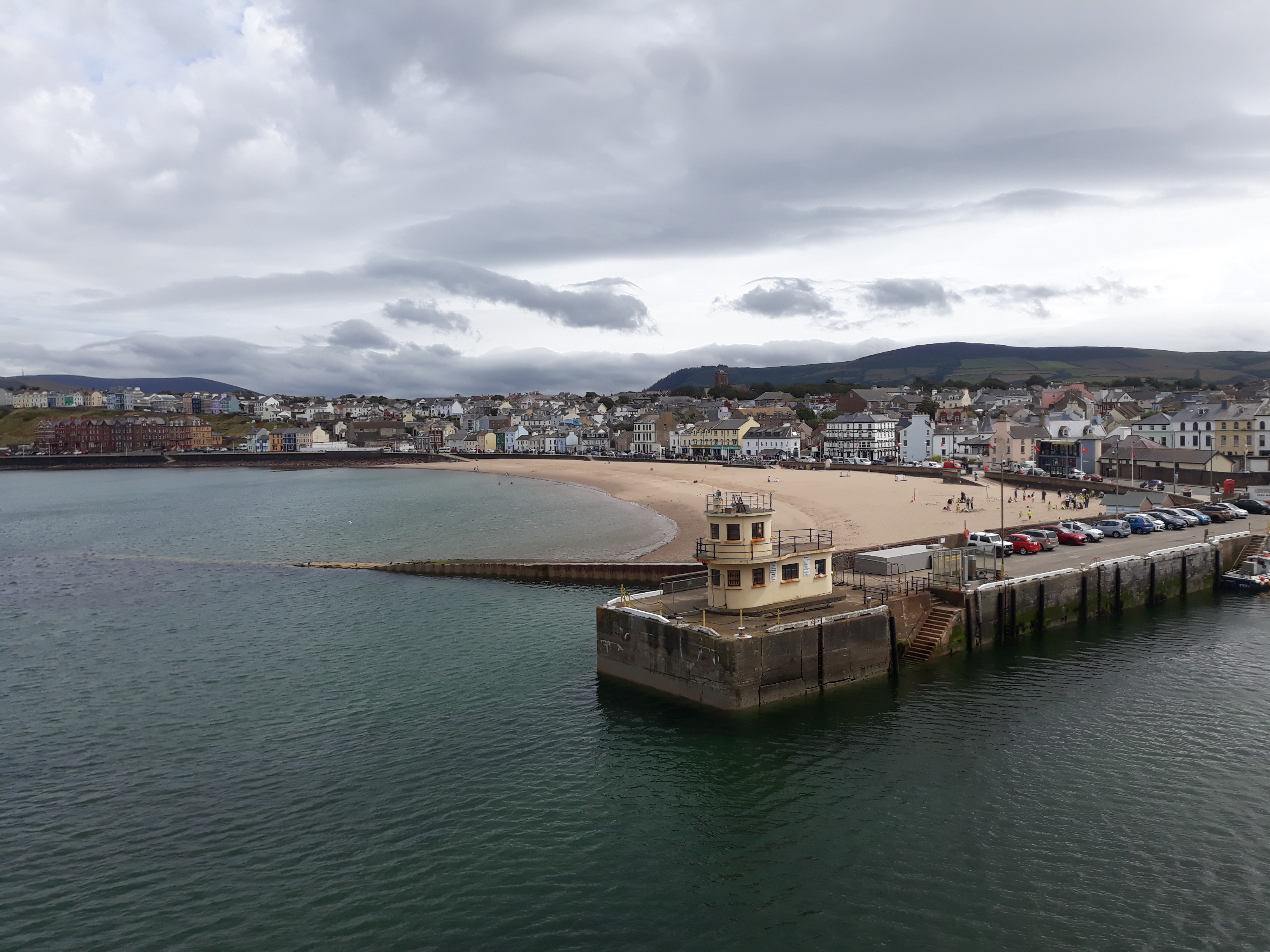
and over the sea…
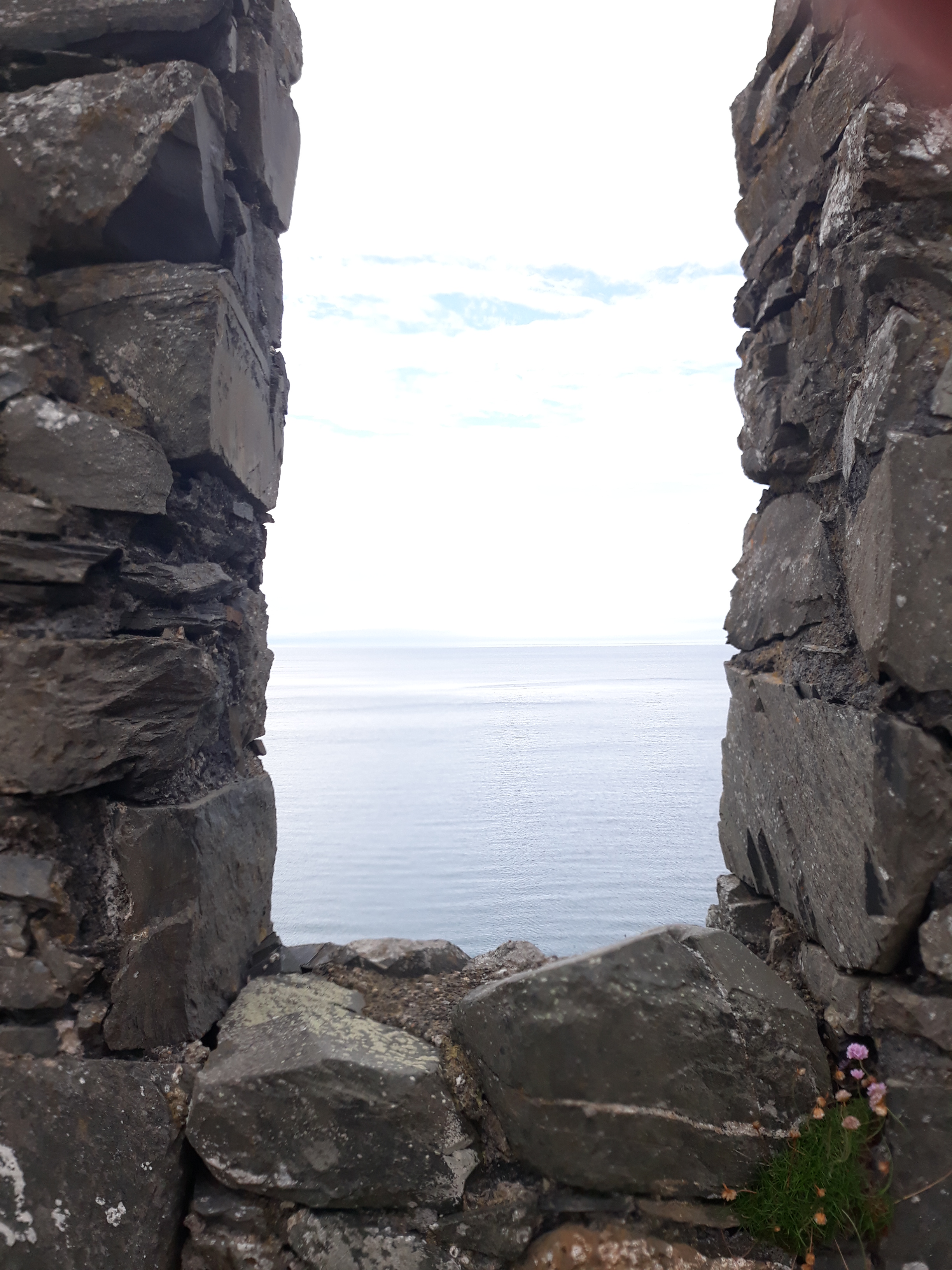
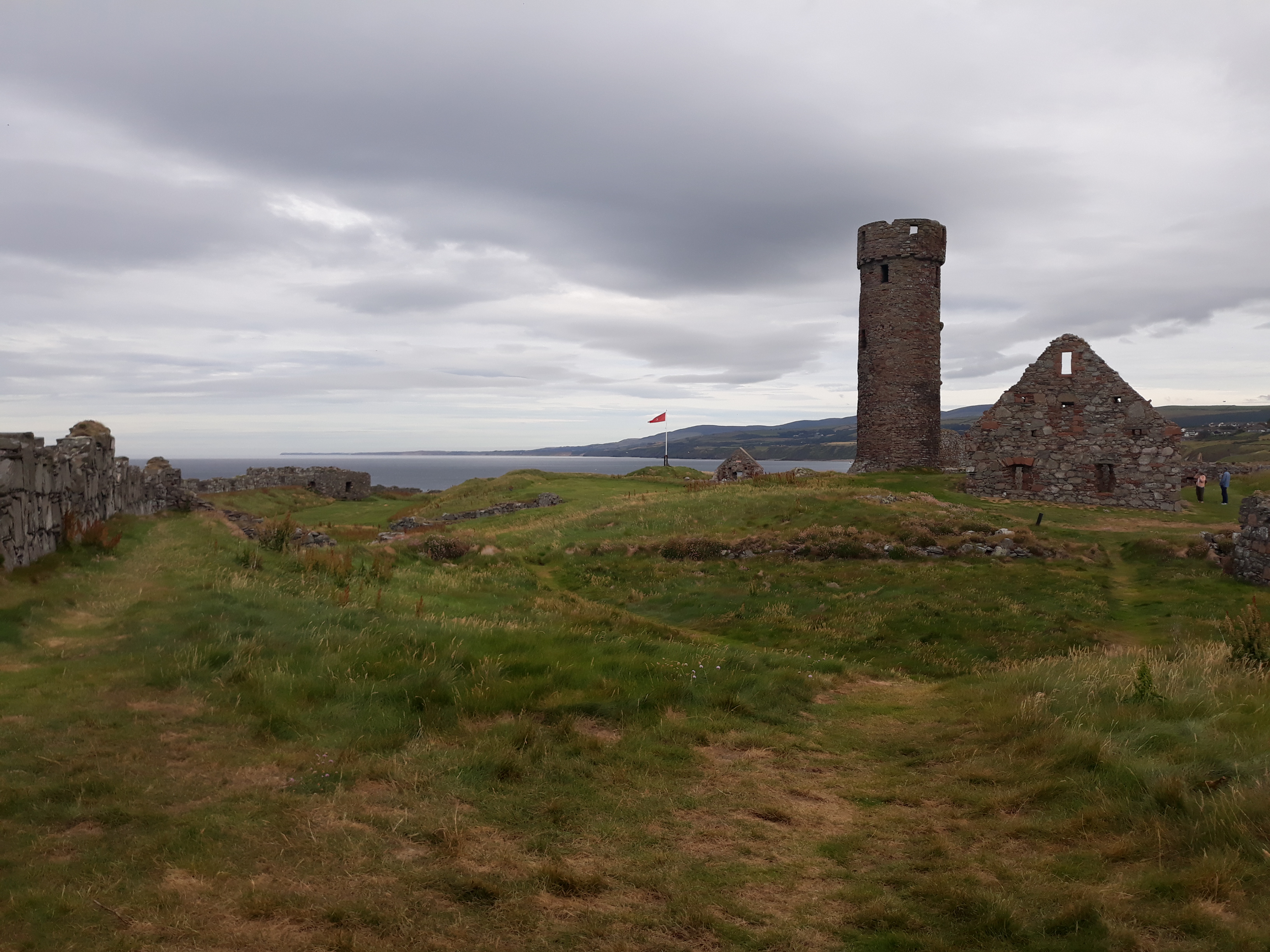
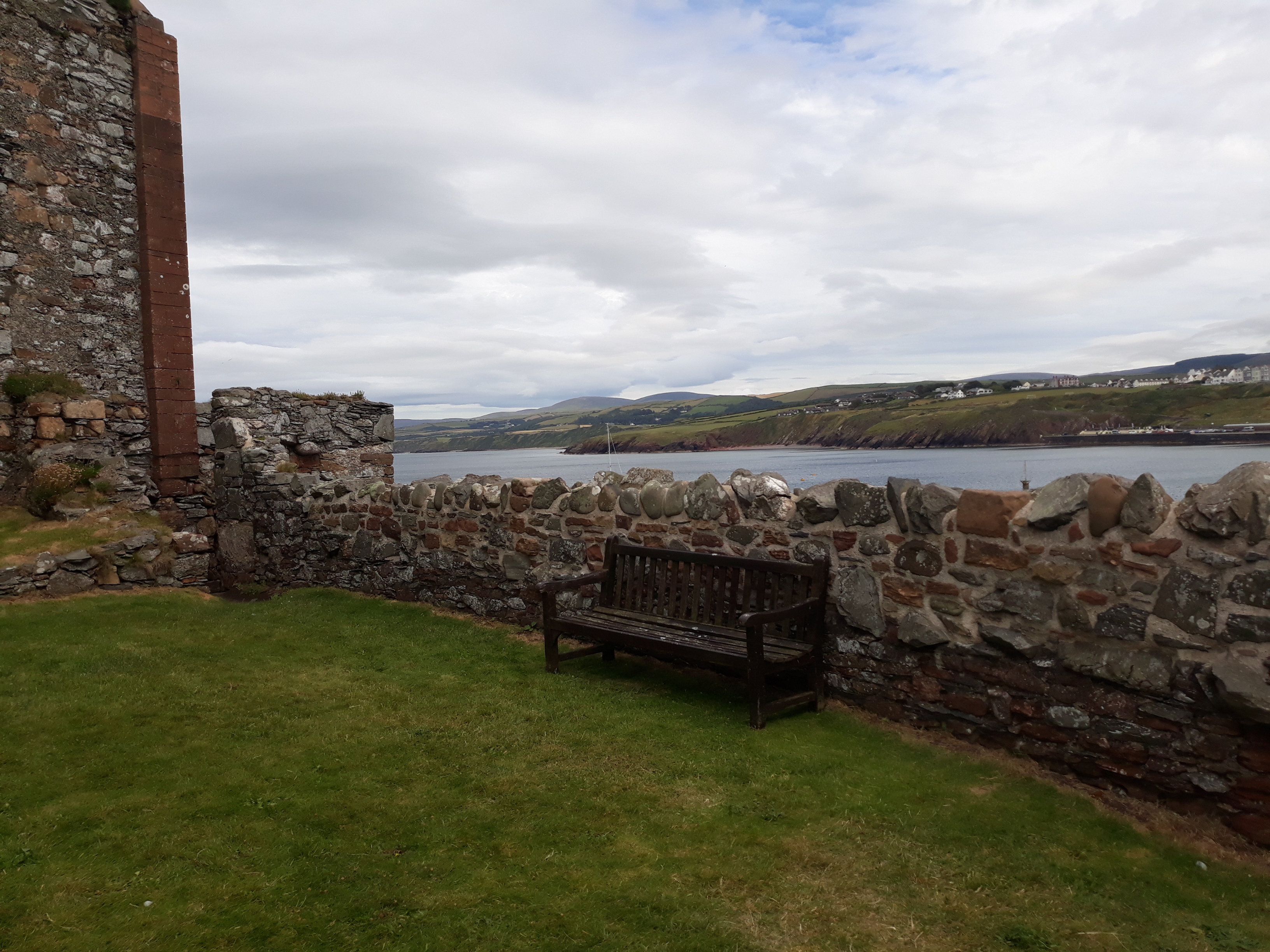
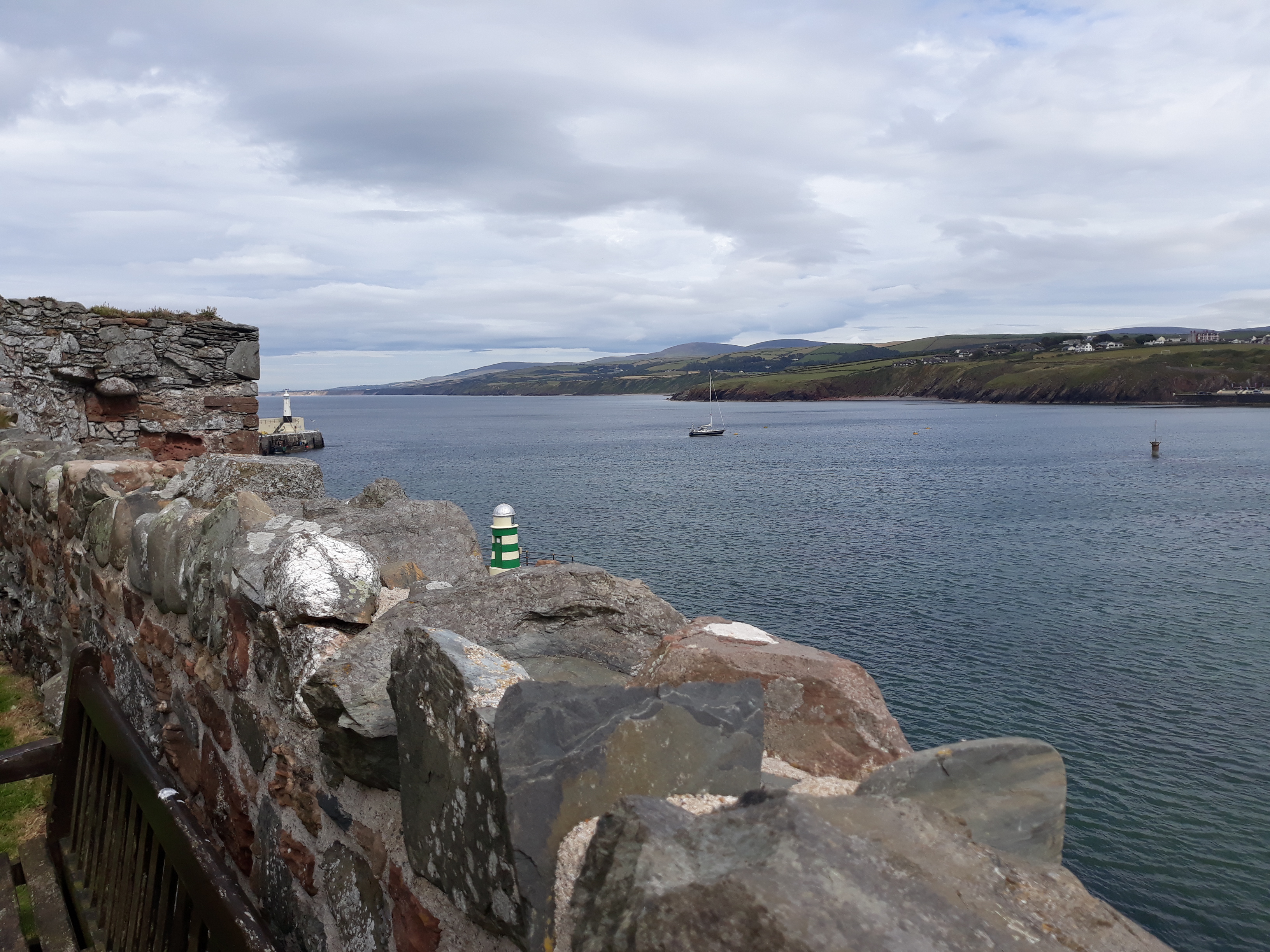
In fact, this place is just so magical that, looking at one of the many rabbit holes the visitors are warned of, you might wonder whether you just fell into one of them and ended up in Wonderland!

If you’re ever planning a trip to the Isle of Man, do not forget to visit this stunning historical site – honestly, it’s one of the most thrilling ones I’ve ever seen!
Coming back from Peel, we encountered more mist all along the coast and up the mountains – how romantic!!
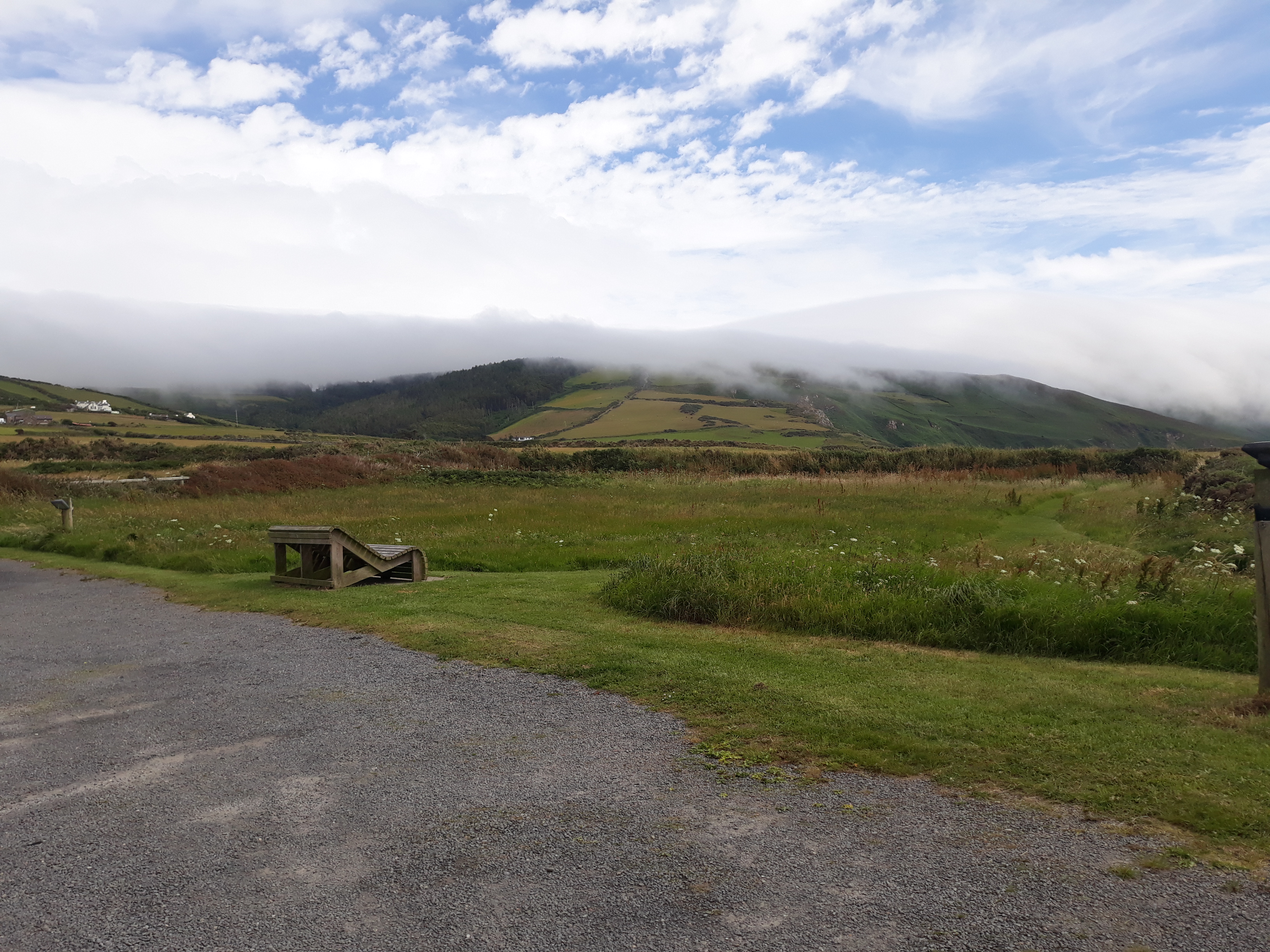
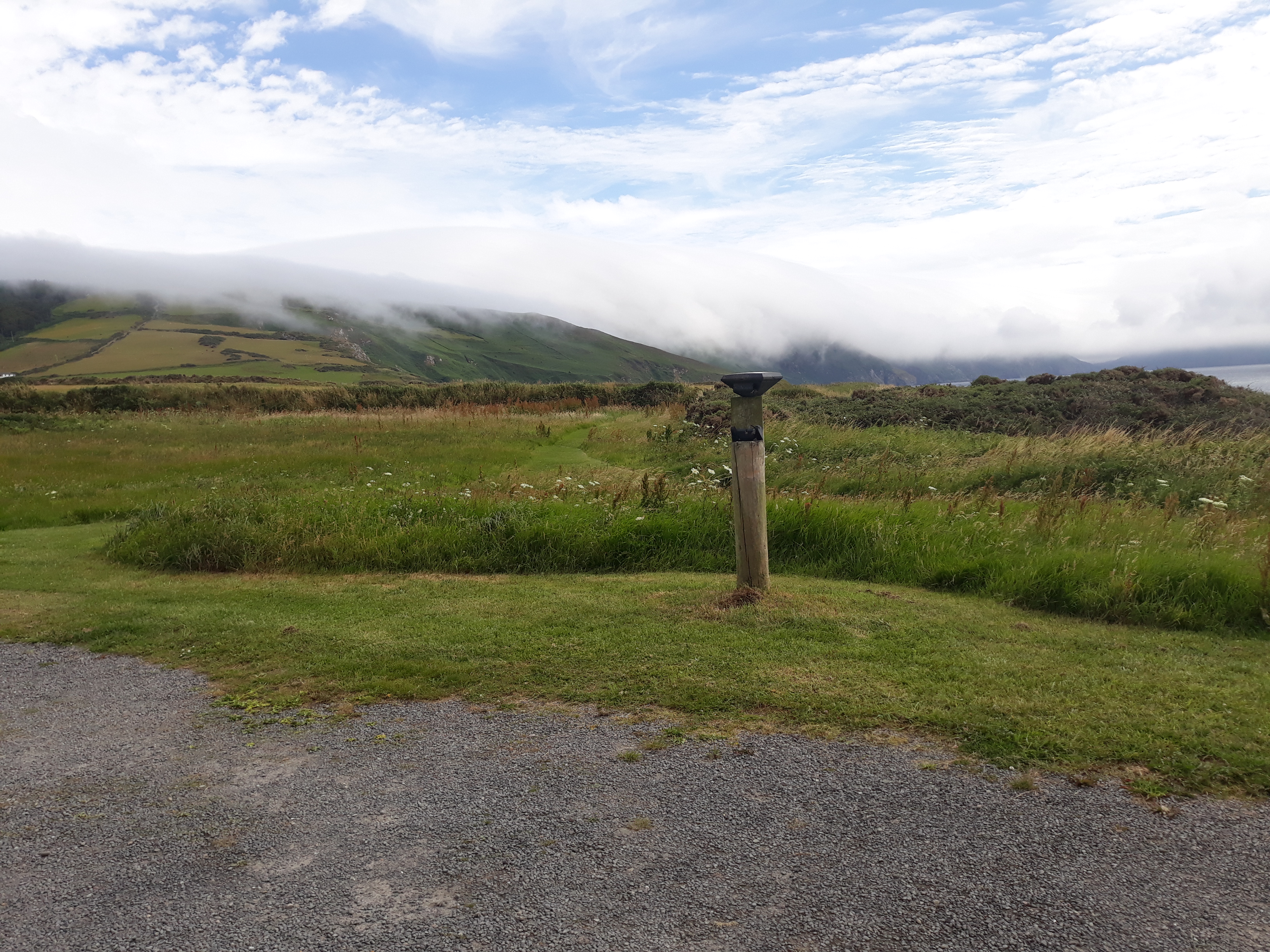
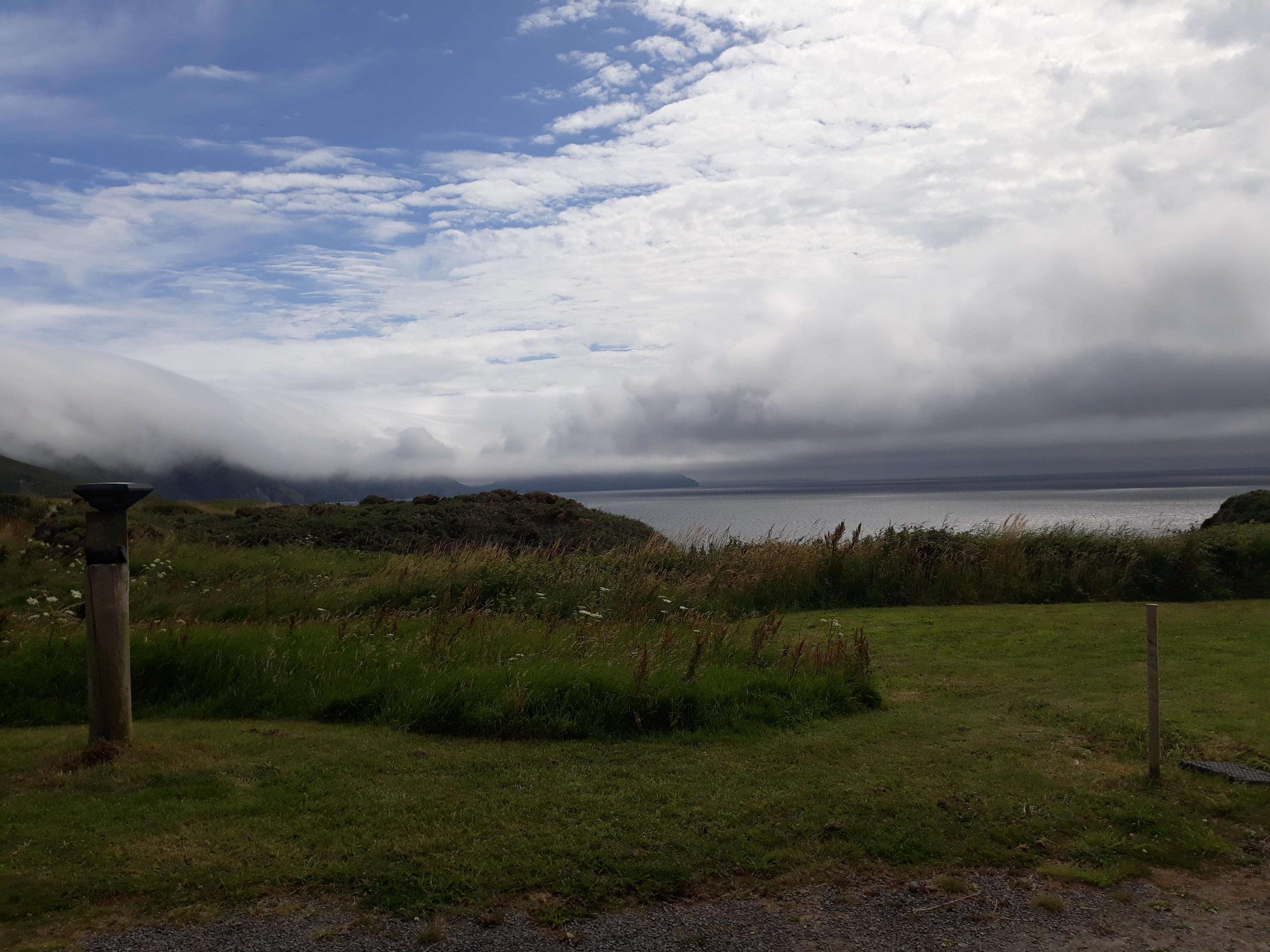
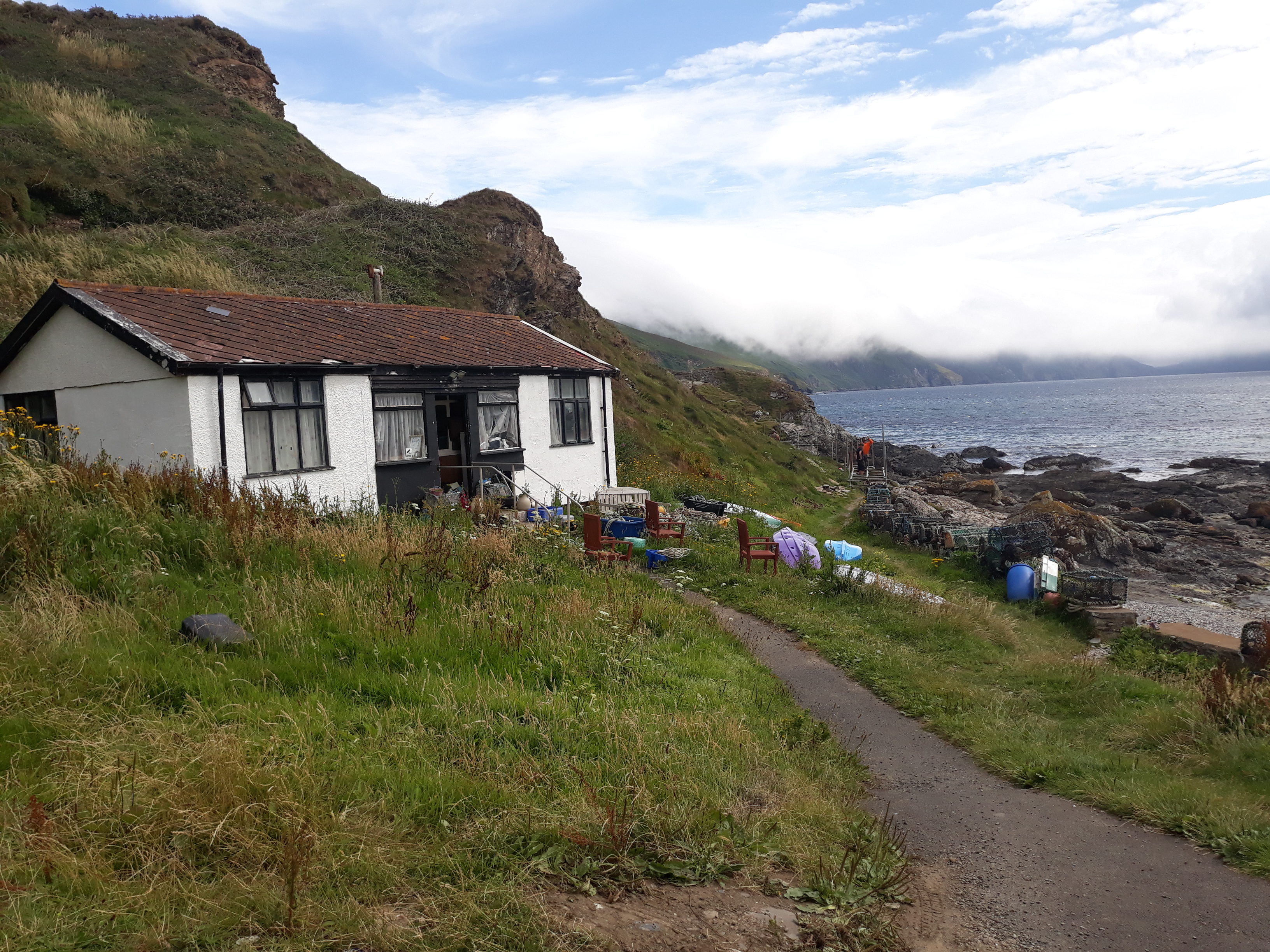
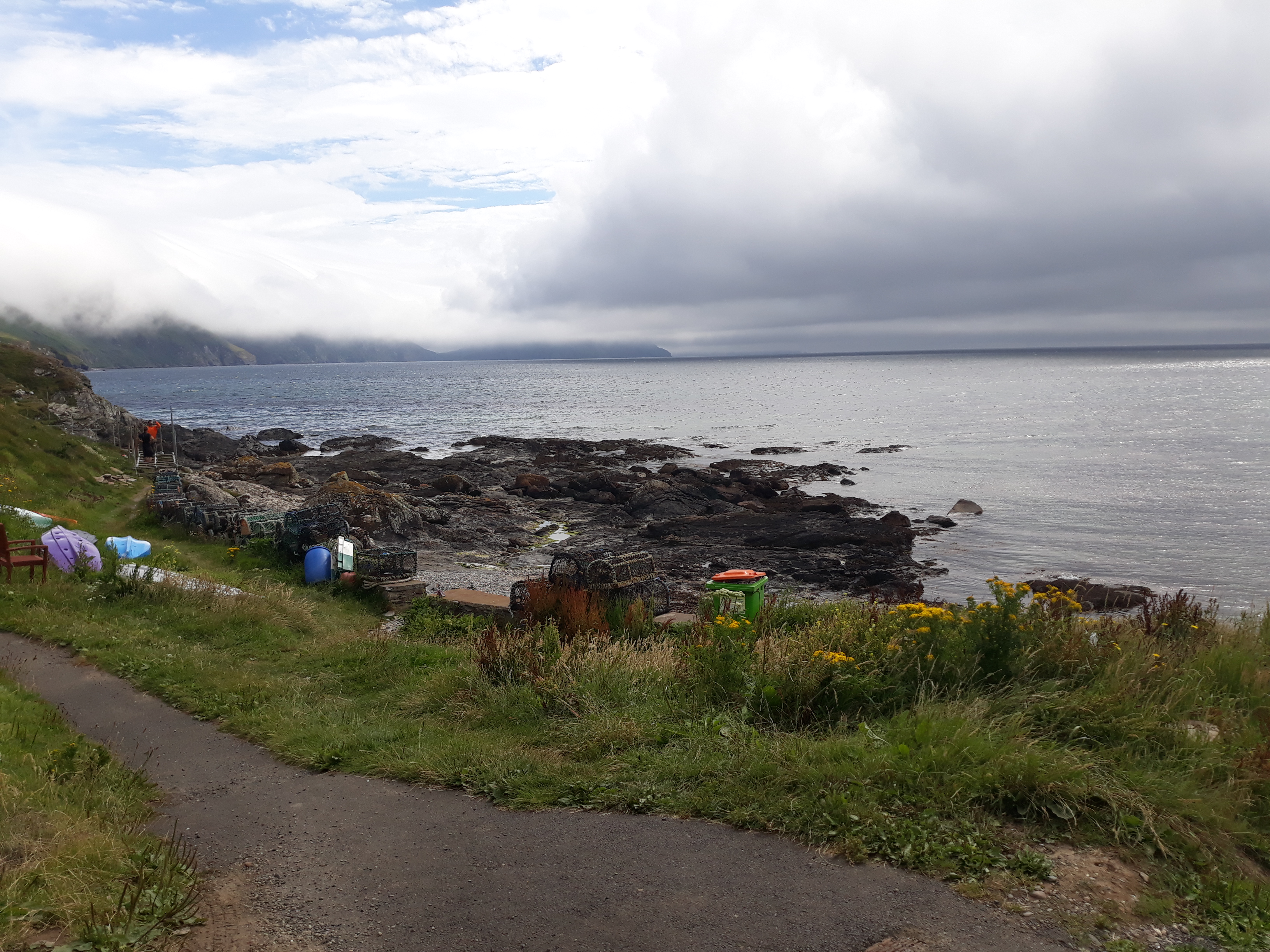
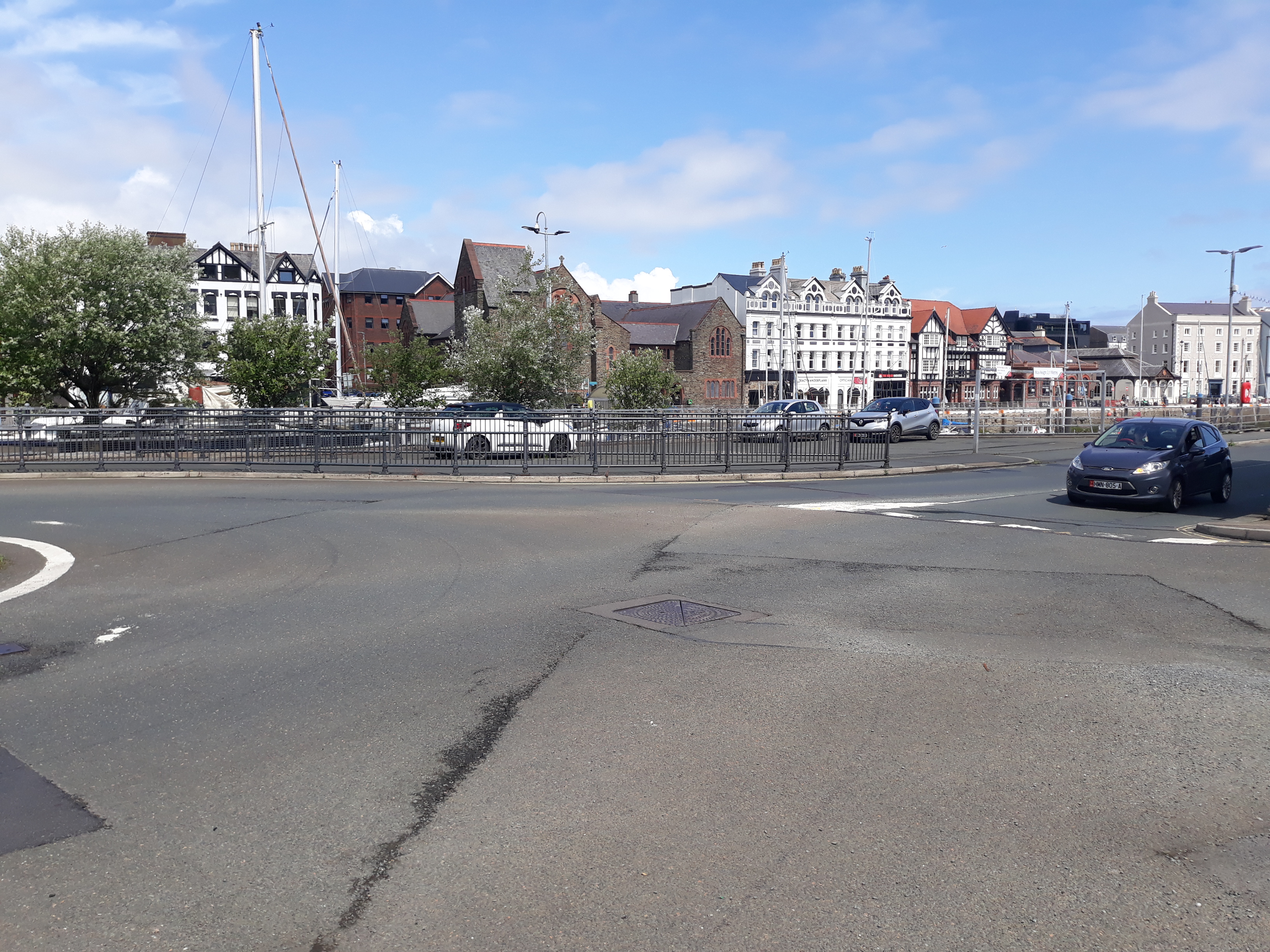
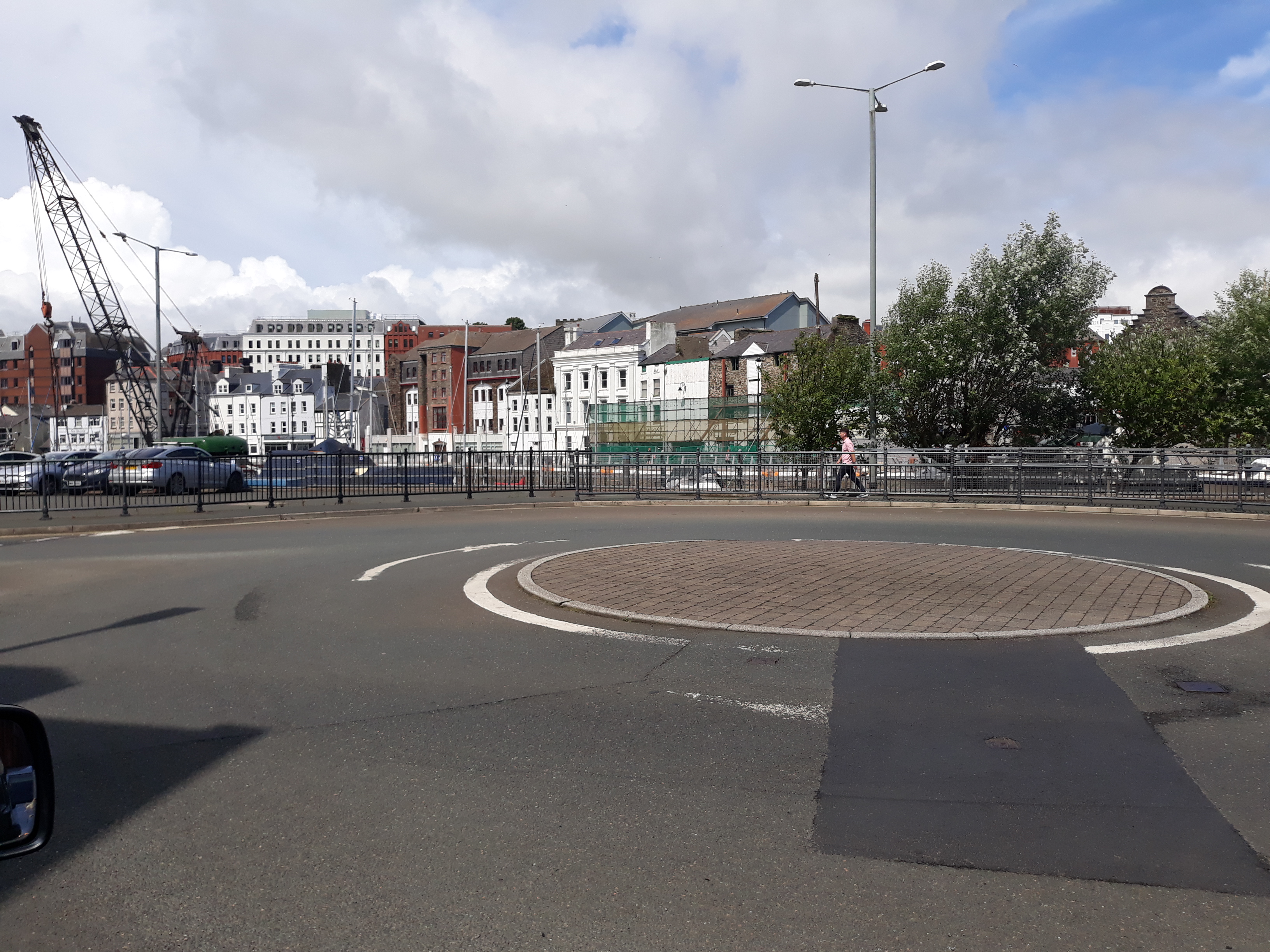
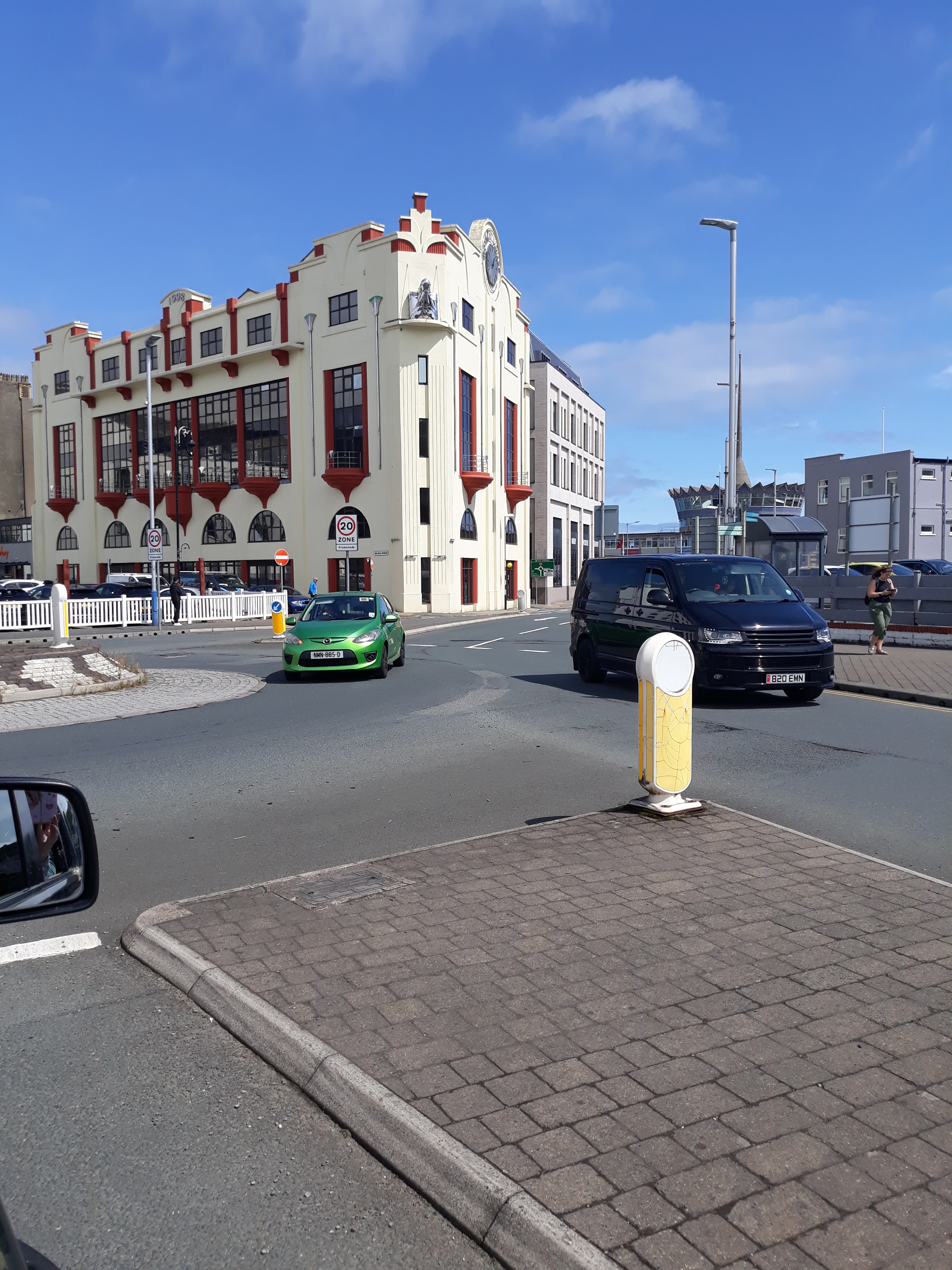
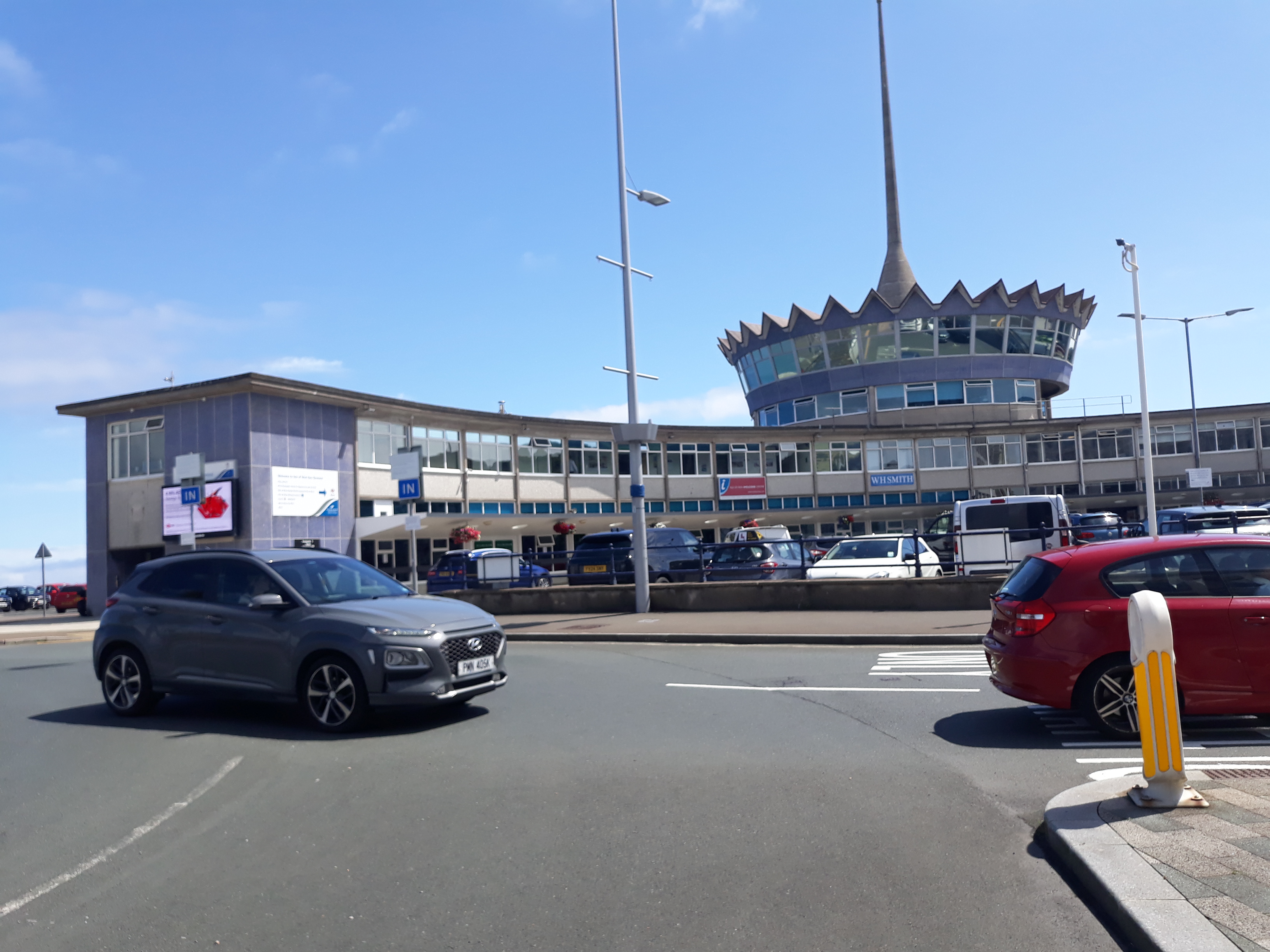
All too soon, our magical holiday on this remarkable island had come to an end, though, and all that remained was to go back to the capital Douglas and take a few more photos – Mannin is just so unbelievably beautiful in so many ways, a hidden paradise in the middle of the sea!
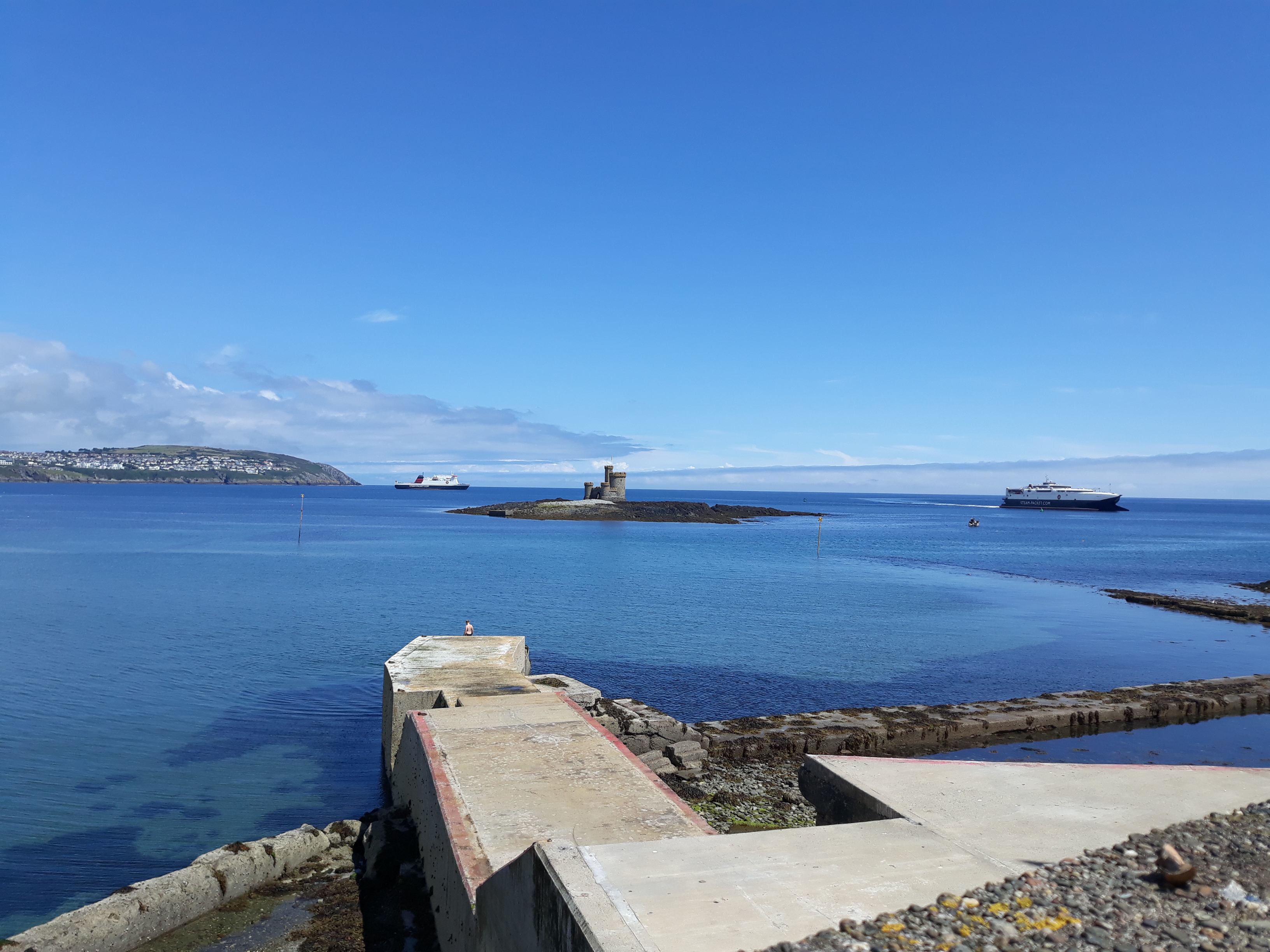
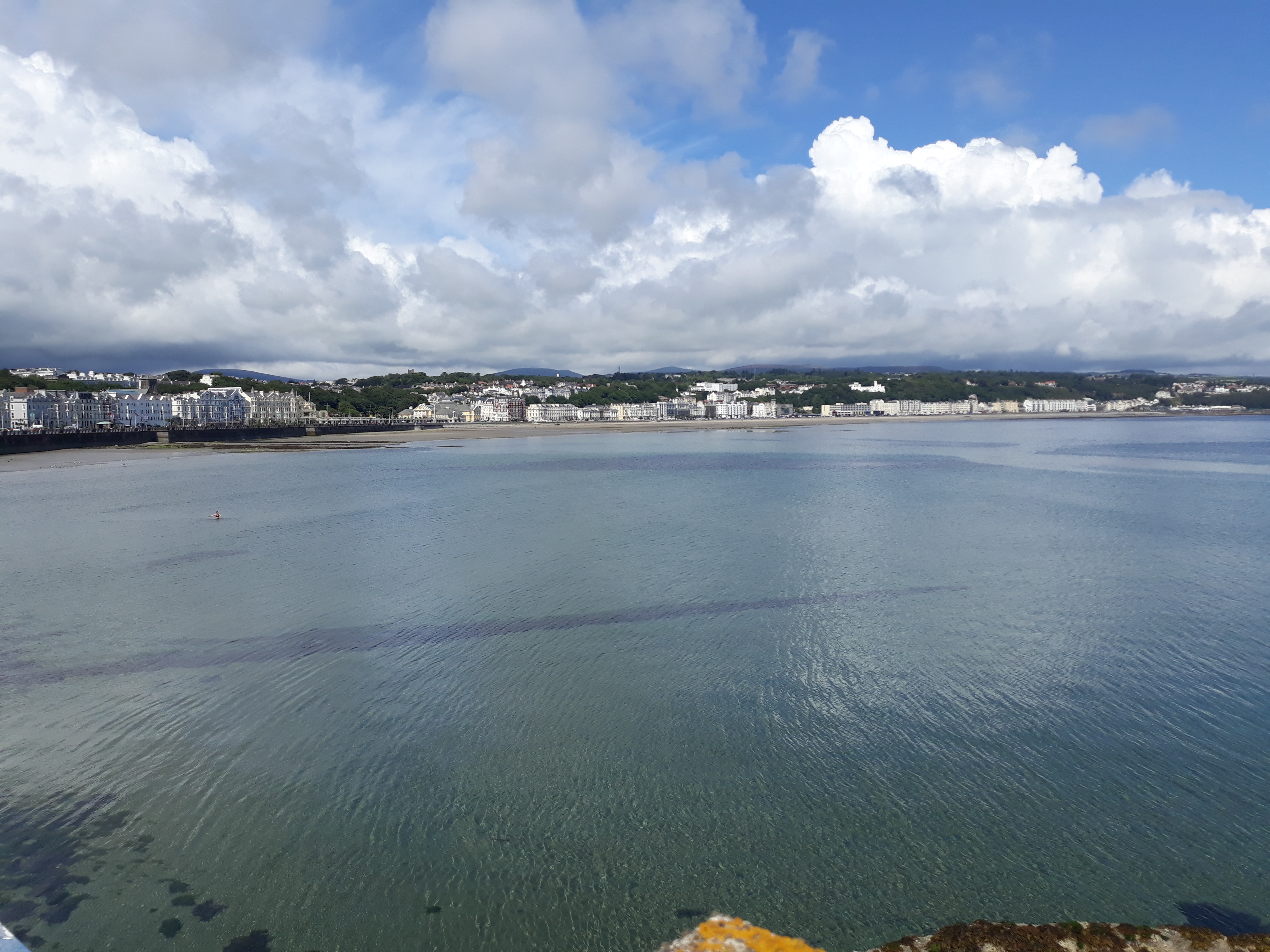
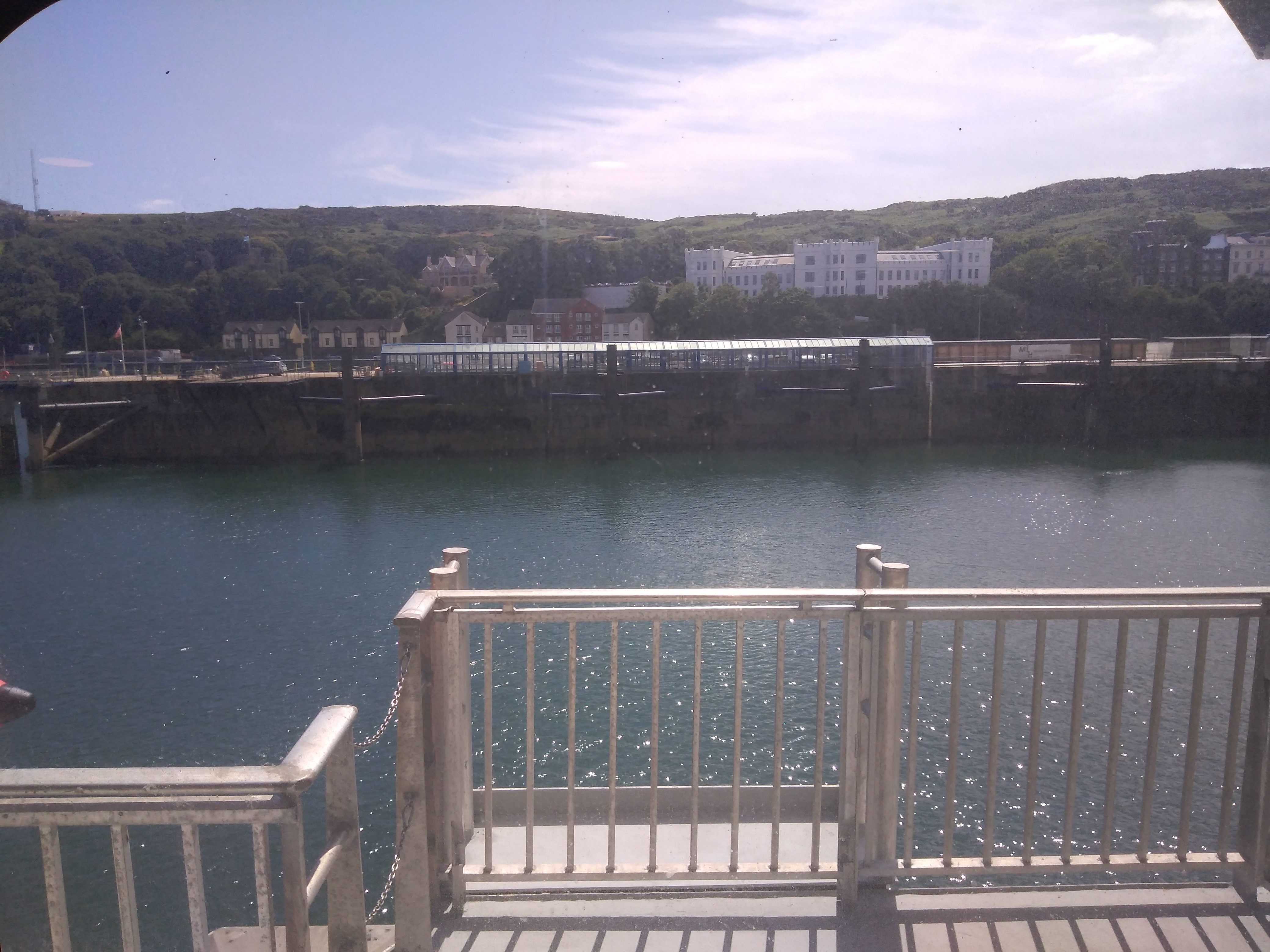
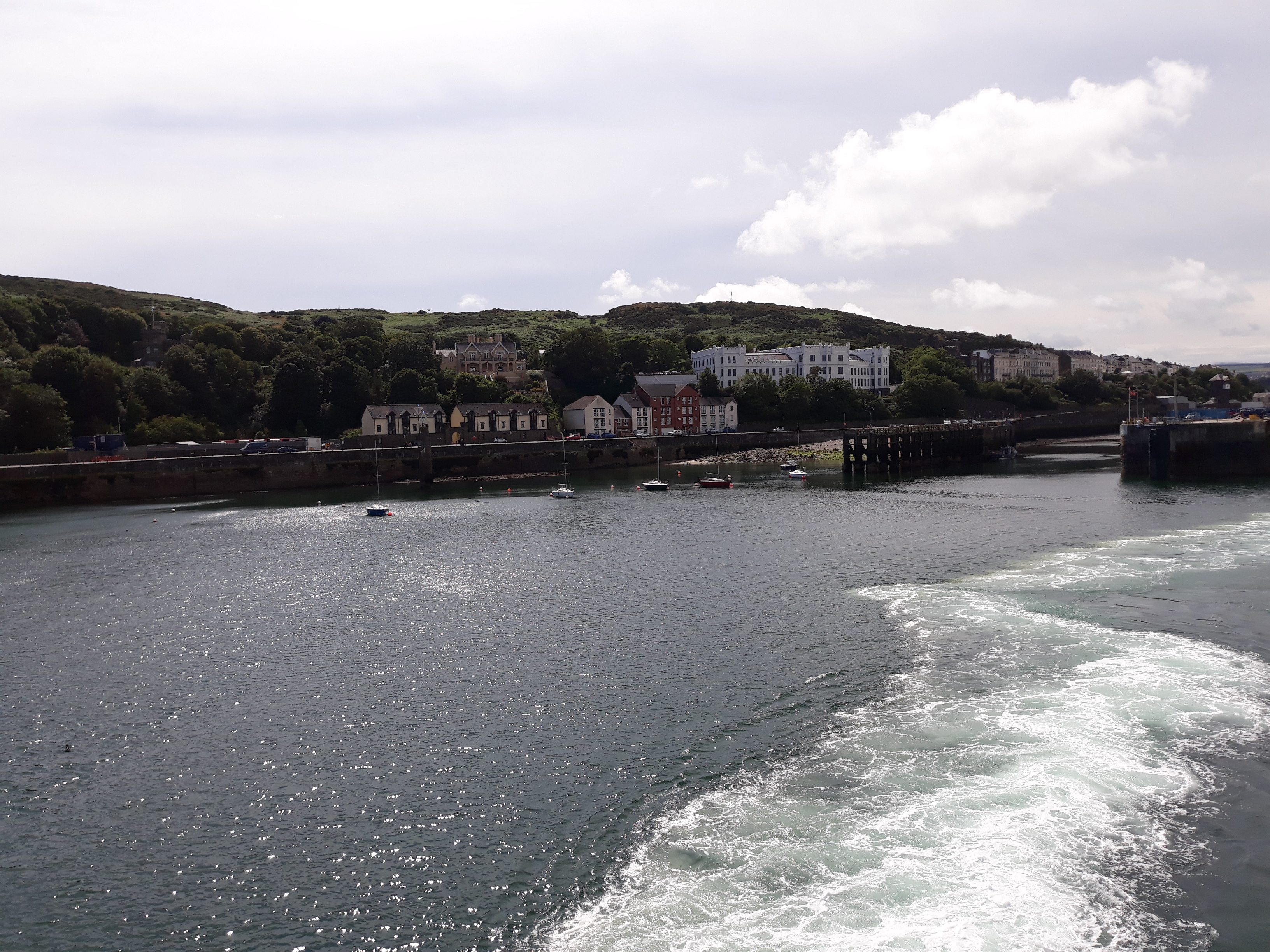
And because its history is so thrilling and varied, I’ll soon be preparing a separate blogpost on that subject; just give me a bit of time for researching, dear friends, because there really is a LOT to tell!
 Roberta Franklin
A fine round trip, Roberta. Just did it ourselves, clockwise. Dublin to Douglas, on to Liverpool. Loved it. Yeah, yeah, yeah!
LikeLiked by 1 person
Great, Shane, I’m sure that was a wonderful trip, thank you so much for your comment!
LikeLike