
Hello dear friends, and a thousand apologies for not posting anything in such a long time; this has been a year of ups and downs for me, and I spent some time in hospital with a rather serious condition that really changed my life – not entirely for the worse though; more about that in my next post. Today I’d like to share with you the photos and stories of our summer holiday this July, driving through beautiful South Wales. We hired a car from right here in Holyhead this time, and went all the way on our own, with no trains or ships involved.

Our first stop on the way was still in the North: Castell Cricieth, one of the older impressive medieval castles in Wales, not built by English oppressor Edward I but genuinely Welsh. Llywelyn ap Iorwerth, the king of Gwynedd, had it built in the 1230s as an administration centre for collecting rents from the subjects, and as a fortress against the English; from here, Llewelyn attacked Montgomery Castle which was the seat of England’s Chief Justiciar Hubert de Burgh.
There were both internal fights for supremacy and collisions with the English under Llywelyns son and grandson, but Dafydd ap Gruffudd (the first to call himself Prince of Wales) was finally defeated and captured by Edward I in 1283, and Castell Cricieth together with the whole of Wales fell to the English.
Edward had the castle extended and used it mainly as a prison, but later on, governed by Welsh constables, it also became a very cultured place, with the hosts entertaining guests with music, poetry, food and drink and games. In 1404, though, during the rebellion of Owain Glyndwr against the brutal oppression and the excessive taxation by the English, Cricieth Castle was burned down and never rebuilt.
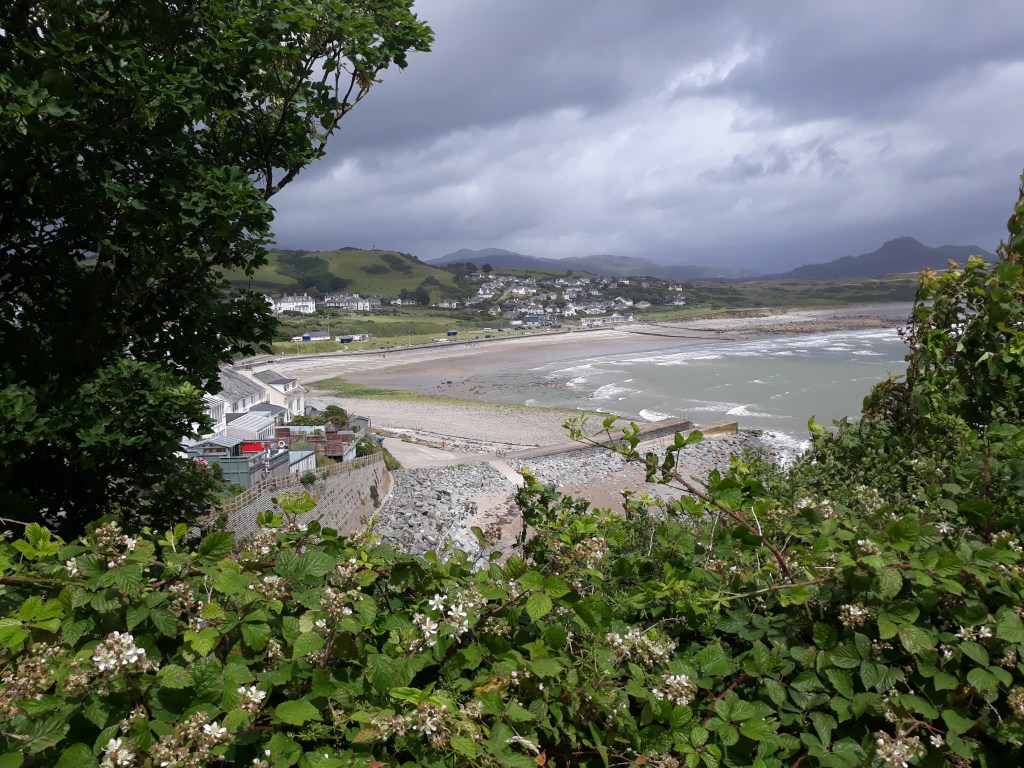
What we see today is the result of many decades of excavation and repair since the 1930s – and it now looks as impressive as aver seen from the seafront below.
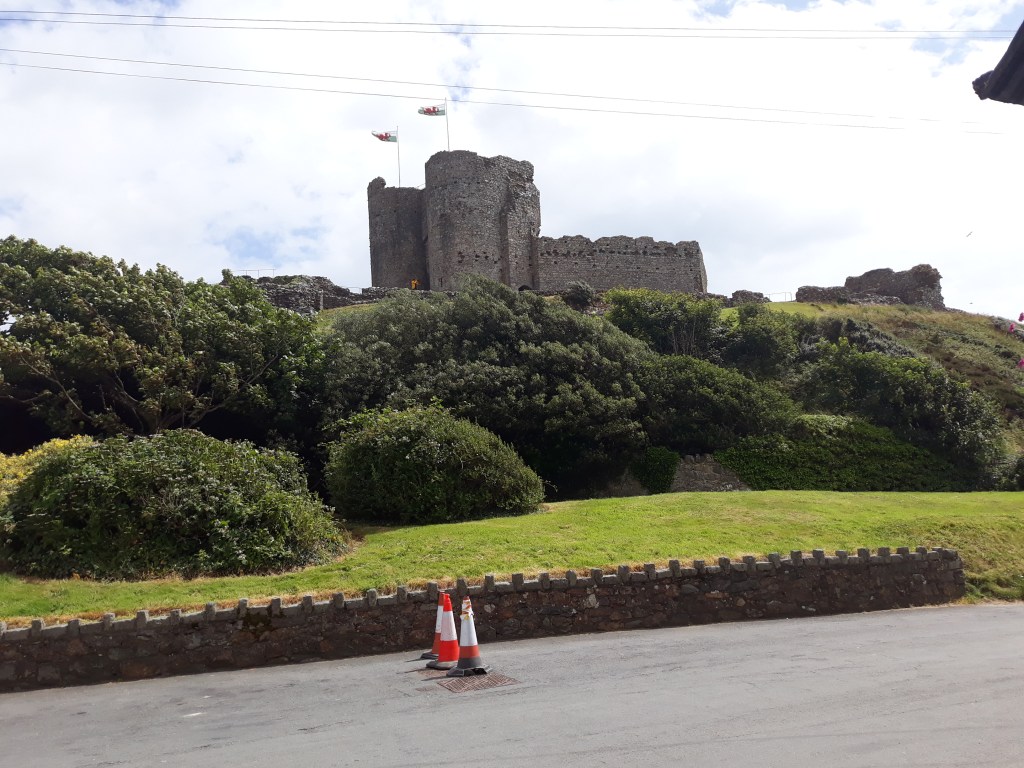
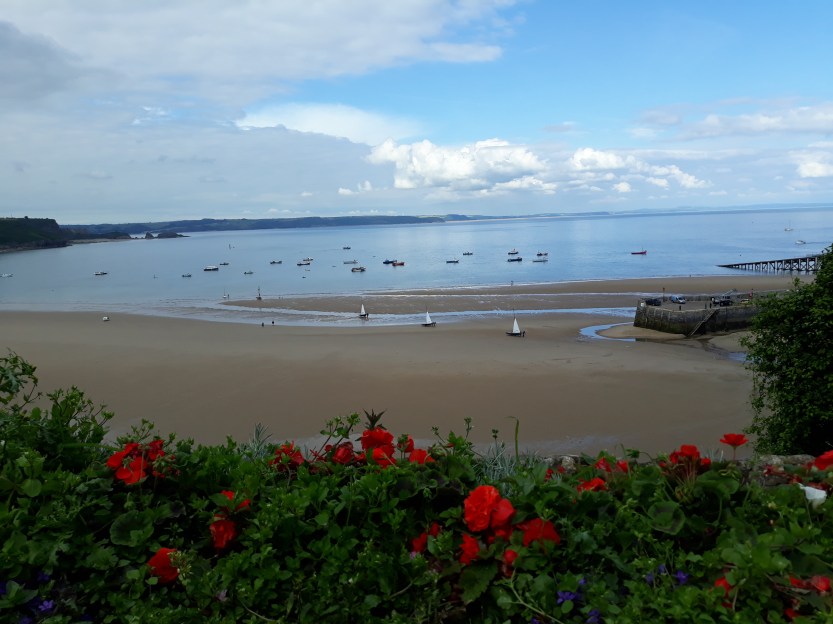
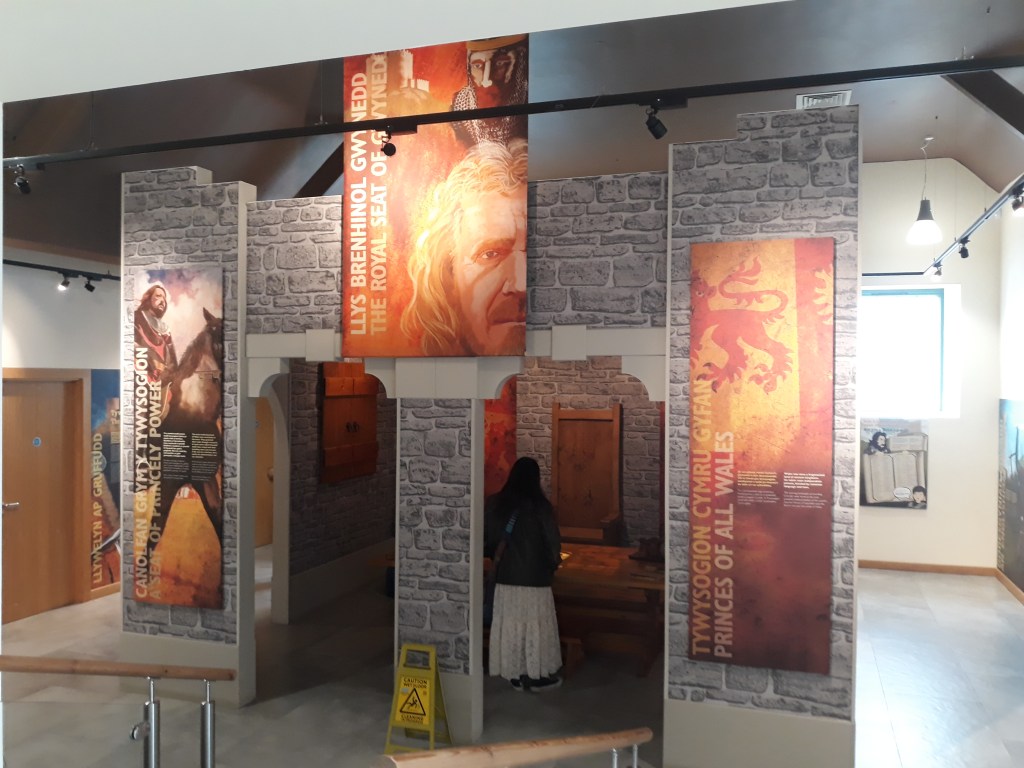
There is a visitors centre halfway up the steep hill to the castle with a very interesting exhibition about life in medieval days, but the rest of the walk is quite a climb, and I must confess I never made it. Instead, we sat down on a bench with a fantastic view of the beach…
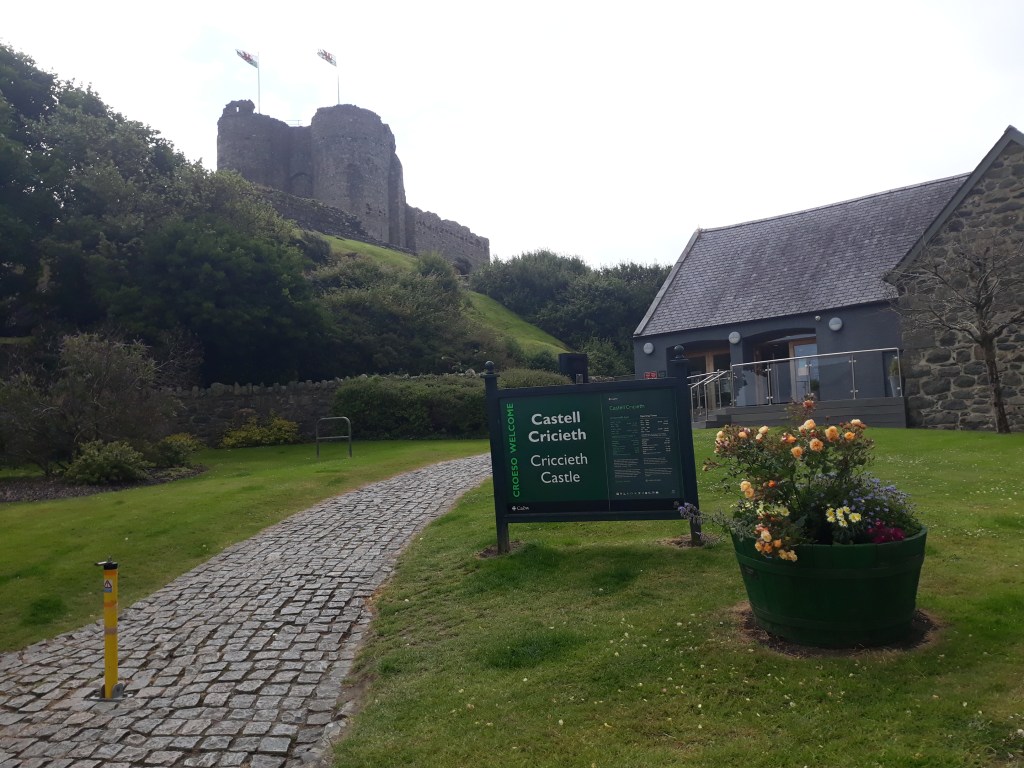
and looked through the very informative guide book we got at the visitors centre, with lots of photos of every corner of the castle and a detailed historical account of it. Almost like having actually walked through it!
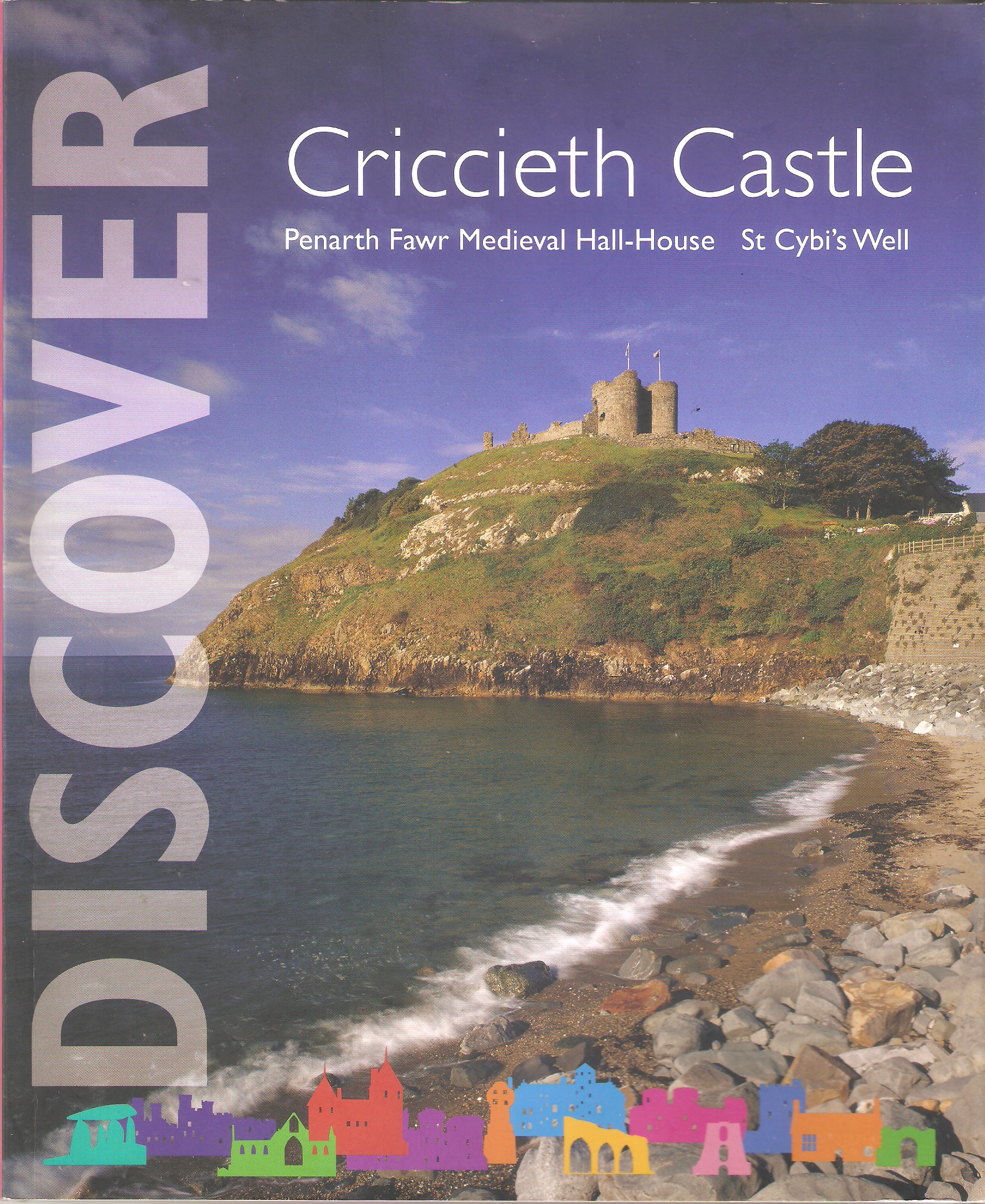
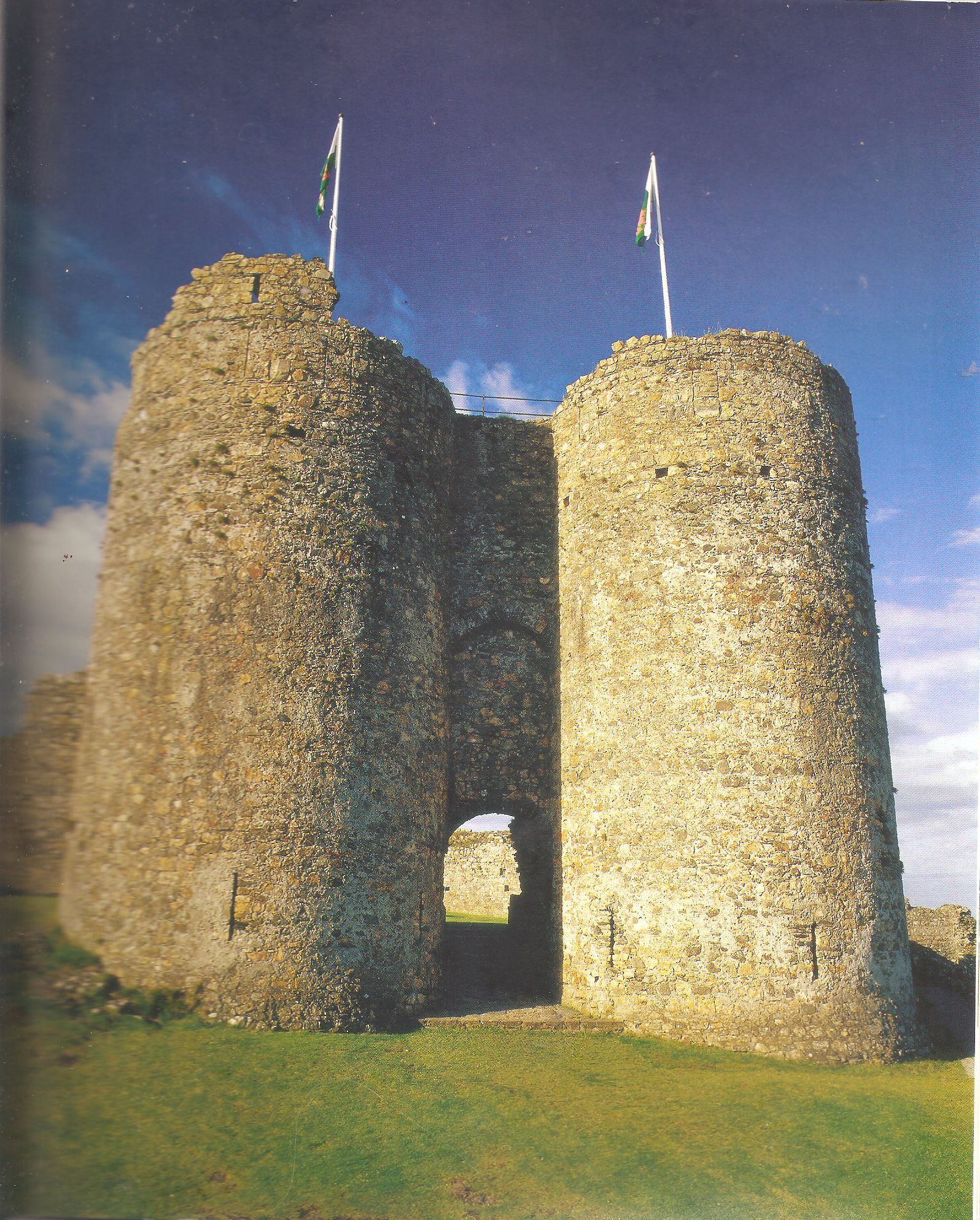
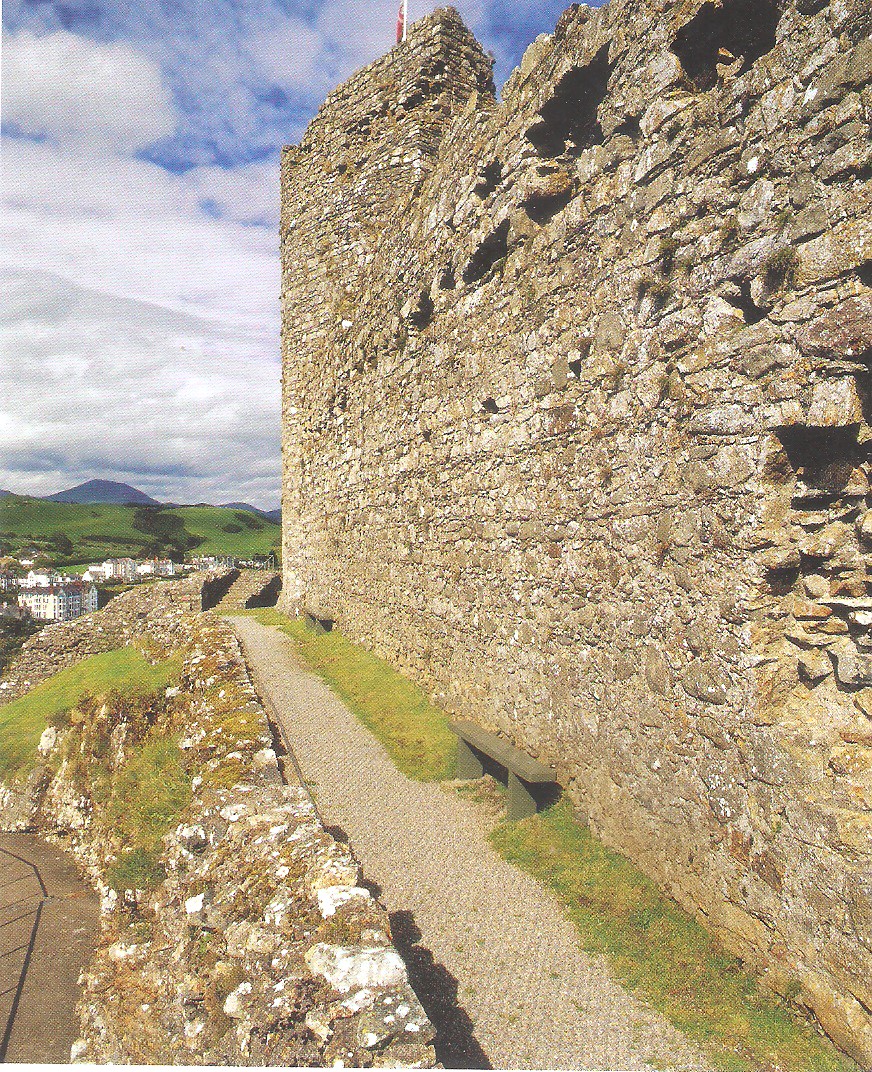
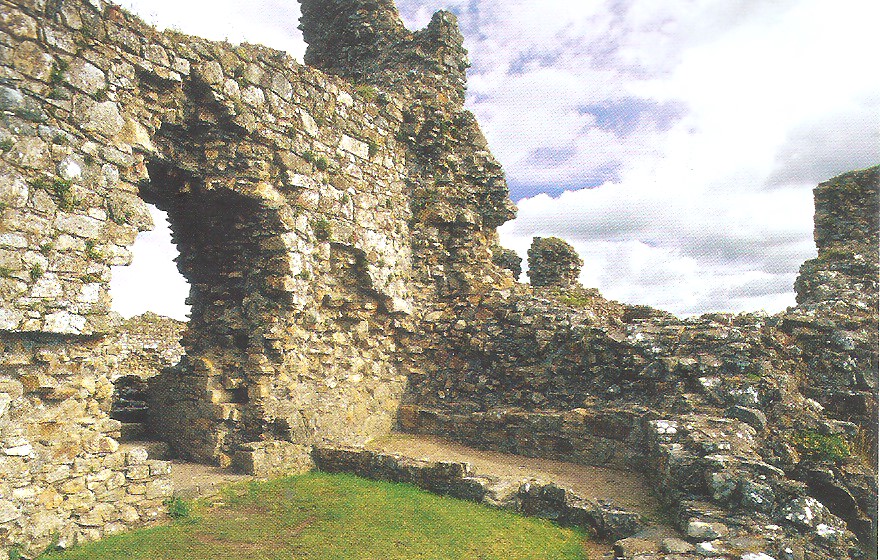
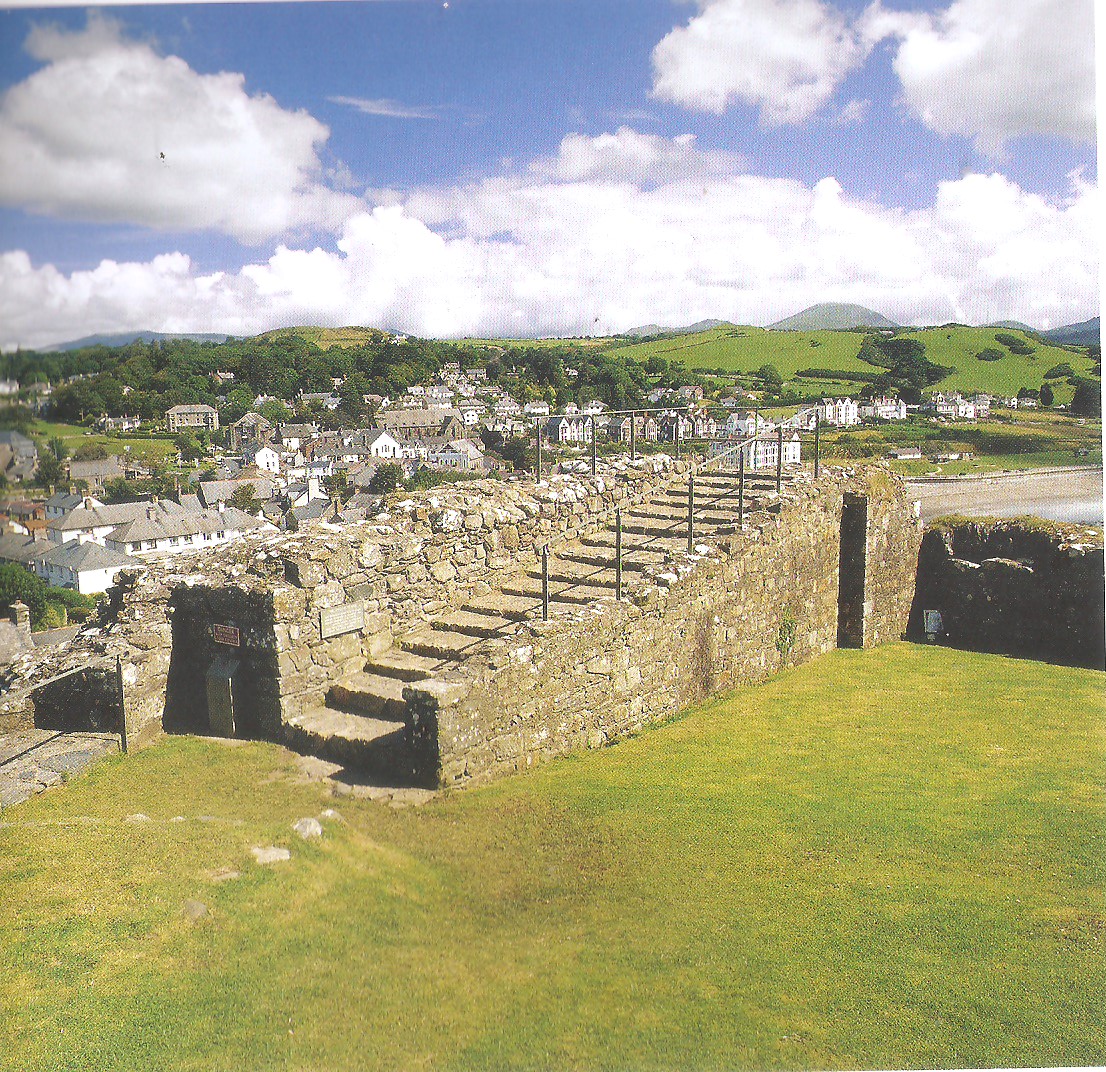
(Photos: Cadw)
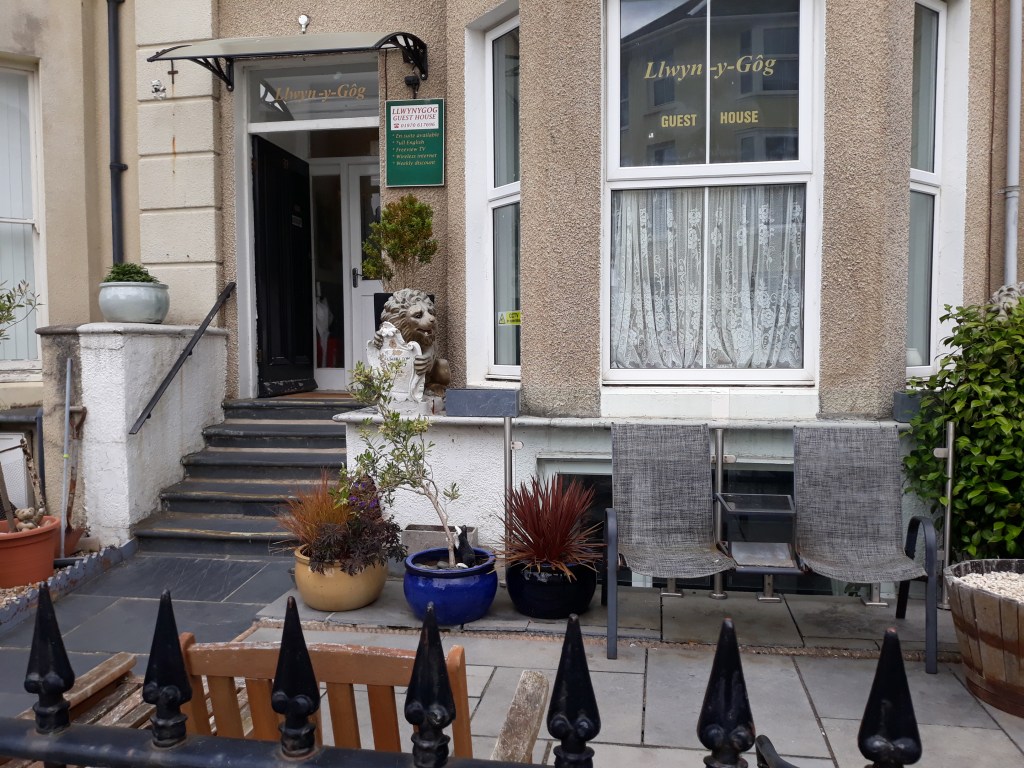
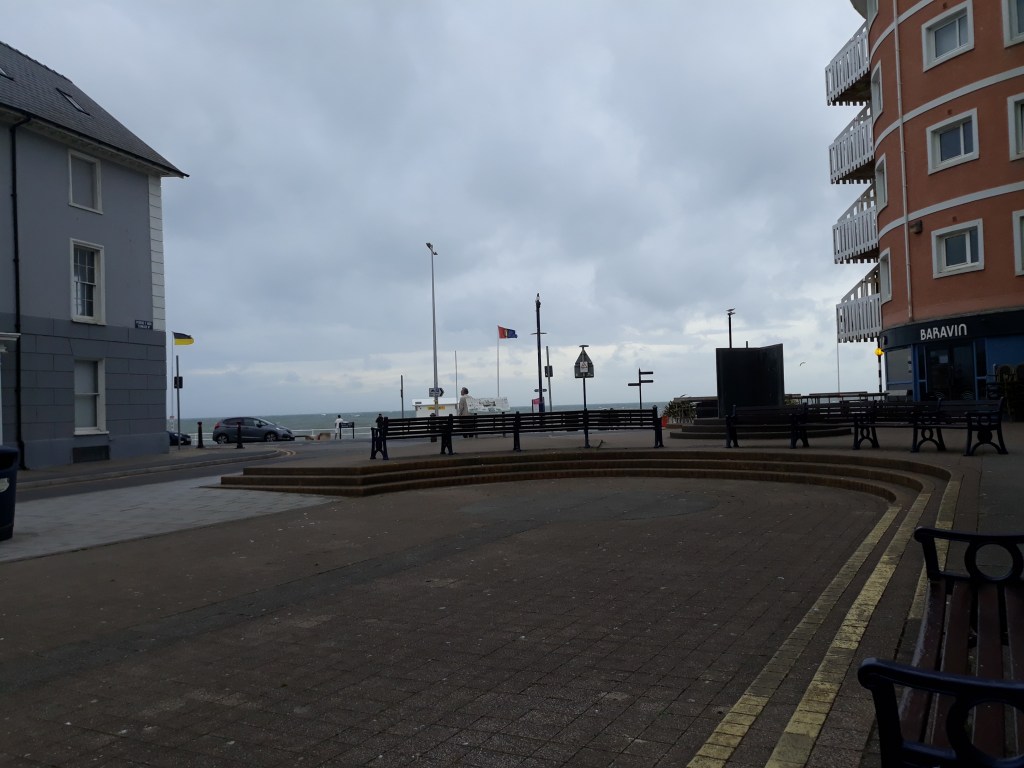
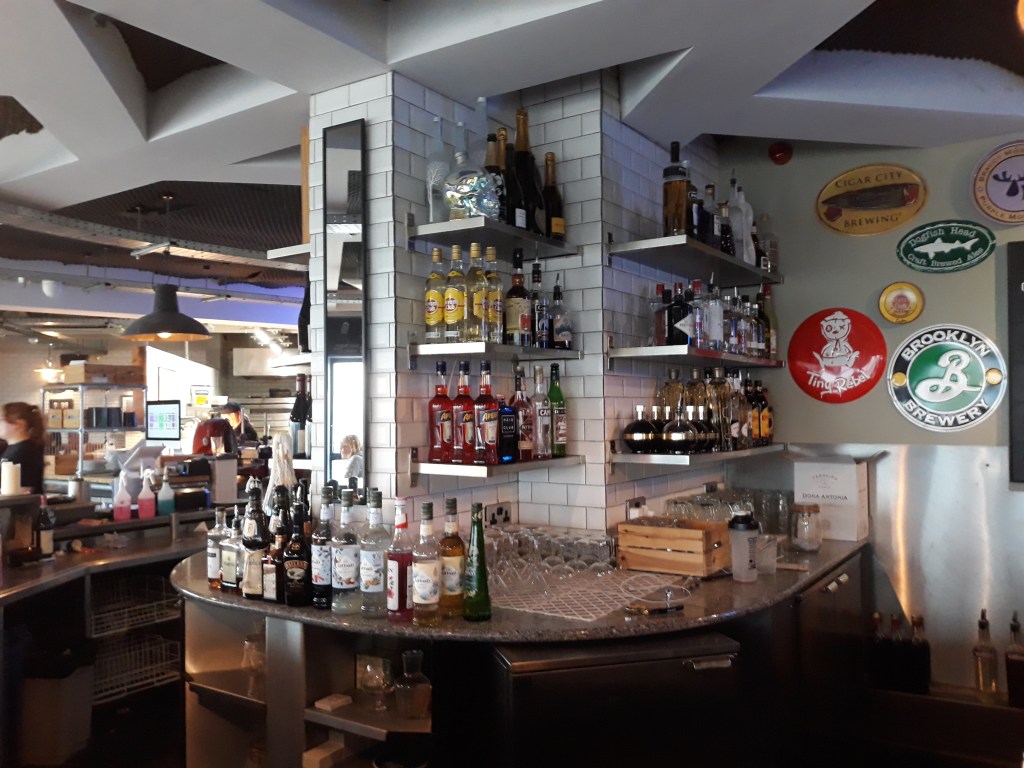
Then, we continued to our place for the night: cosy Llwyn-y-Gog guesthouse in Aberystwyth, one of the traditional centres of Welsh learning and home of the National Library of Wales. We didn’t have time for too much sightseeing, so we just went to look for a place to eat and drink, and down at the stormy waterfront we found the Baravin, a trendy bar-restaurant with a stunning sea view and a great choice of cocktails and pub grub.
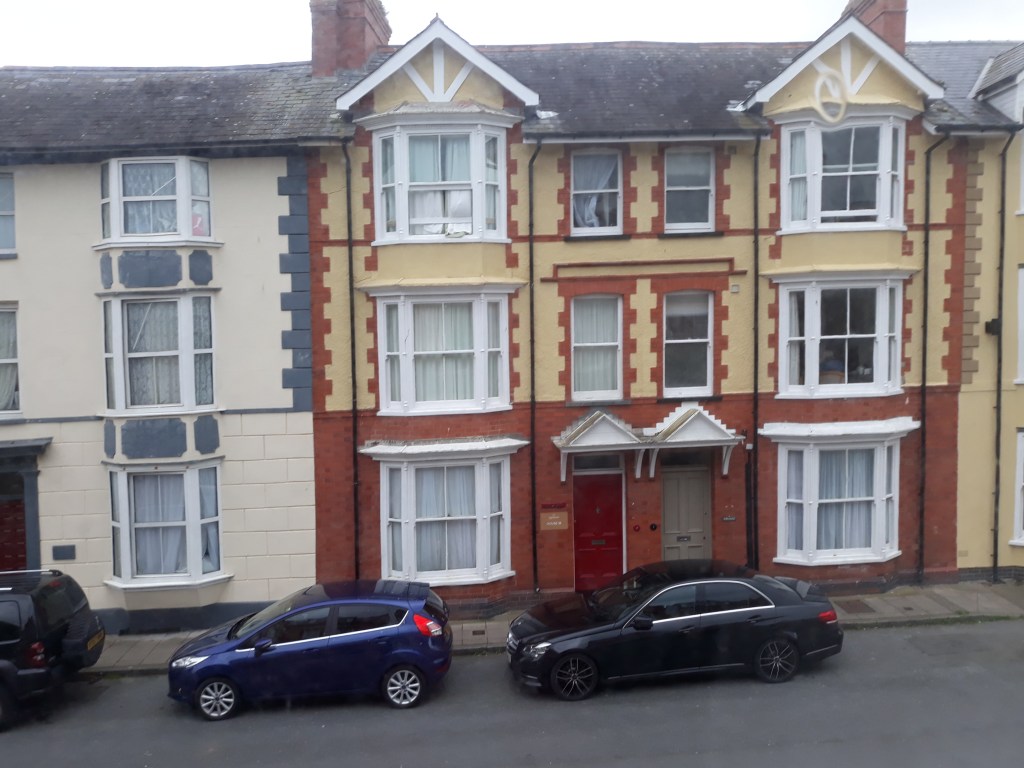
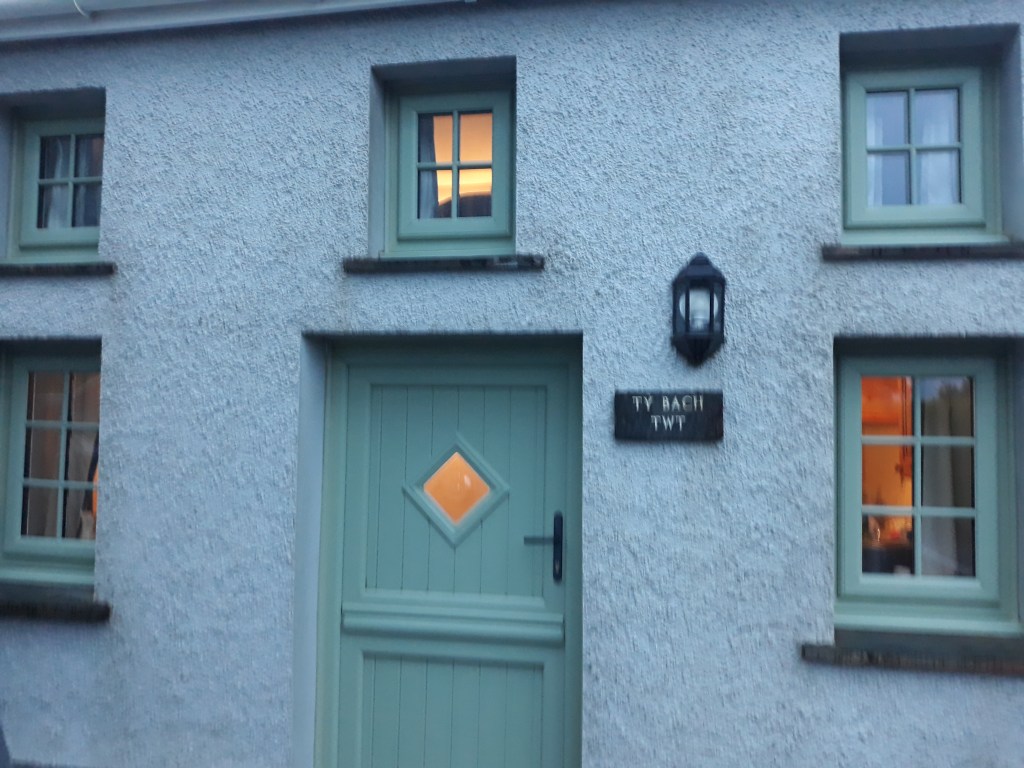
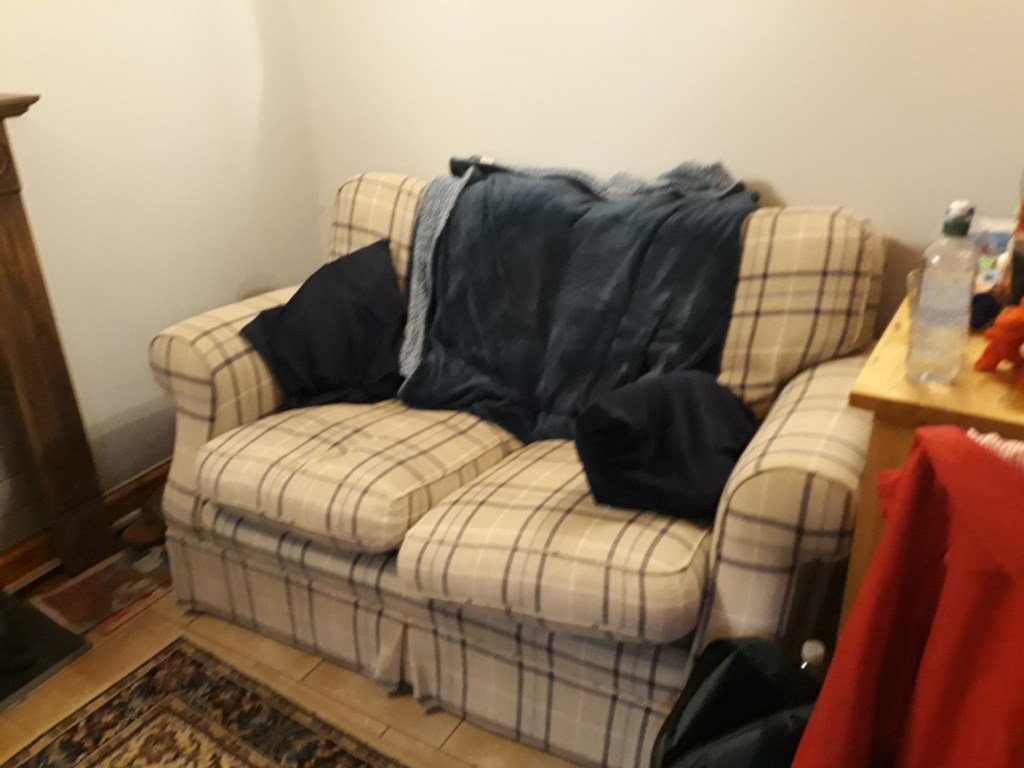
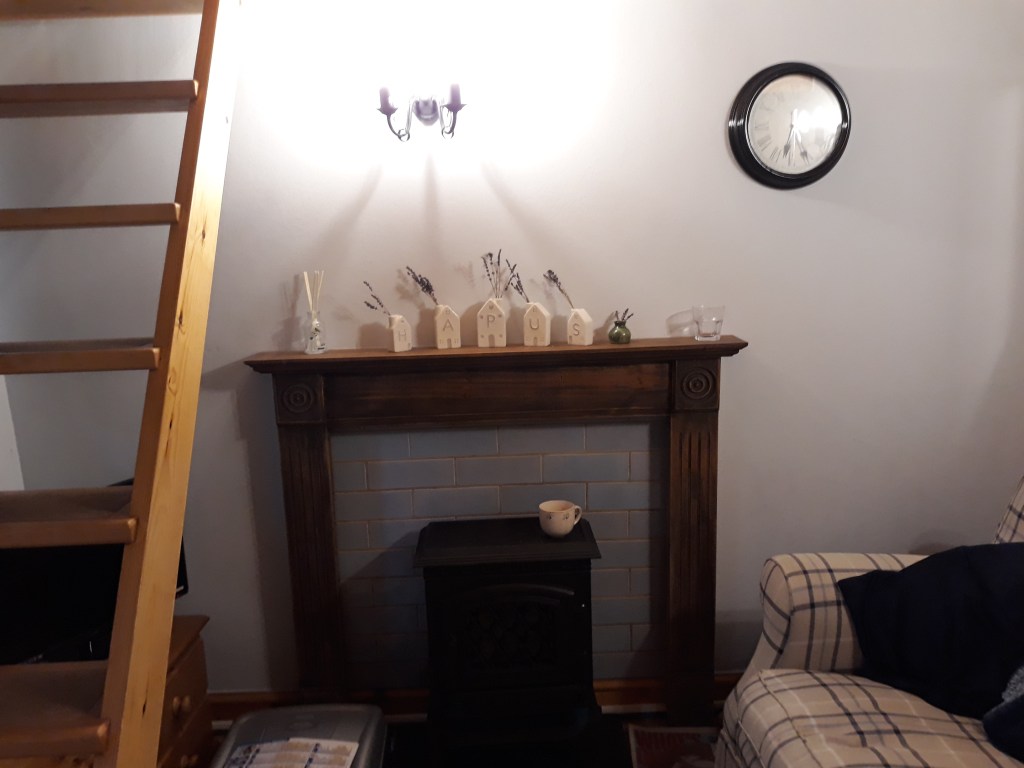
The next morning, we set out into South Wales to our main destination: our little cottage Ty Bach Twt in Cei Newydd (Newquay). I’d always dreamed of spending a holiday in a cottage, and finally that dream came true – the most charming, romantic little love nest for two, with a woodburner-like electric fire and a huge double bed on the first floor, paradise for me and my darling Ian!
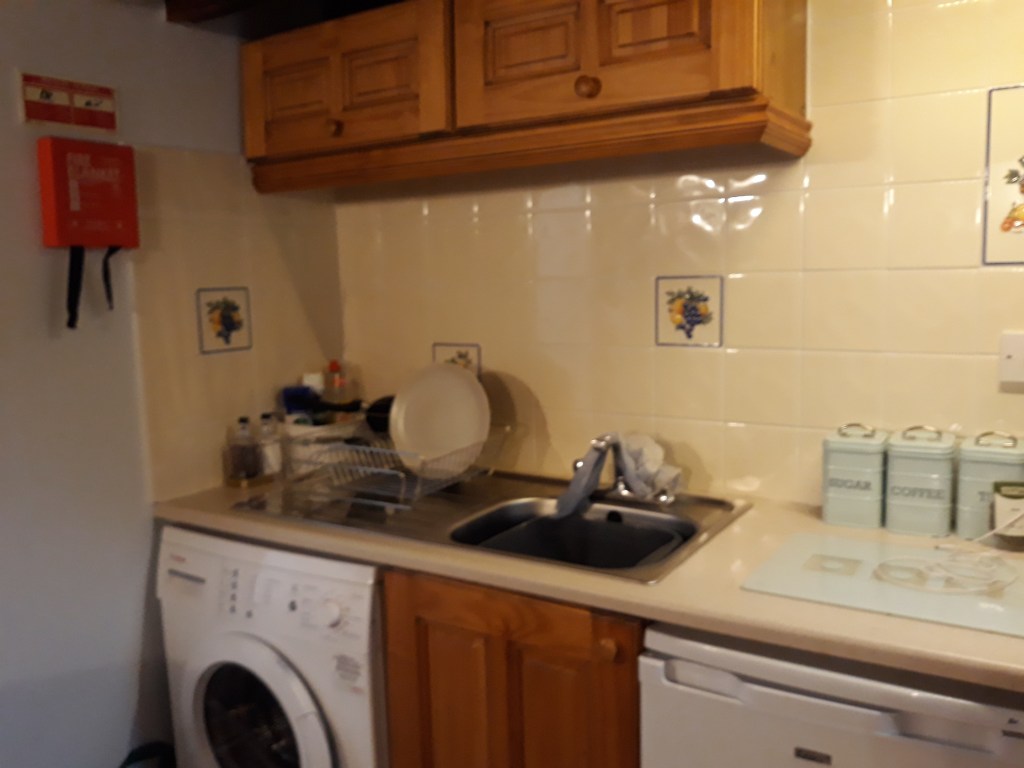
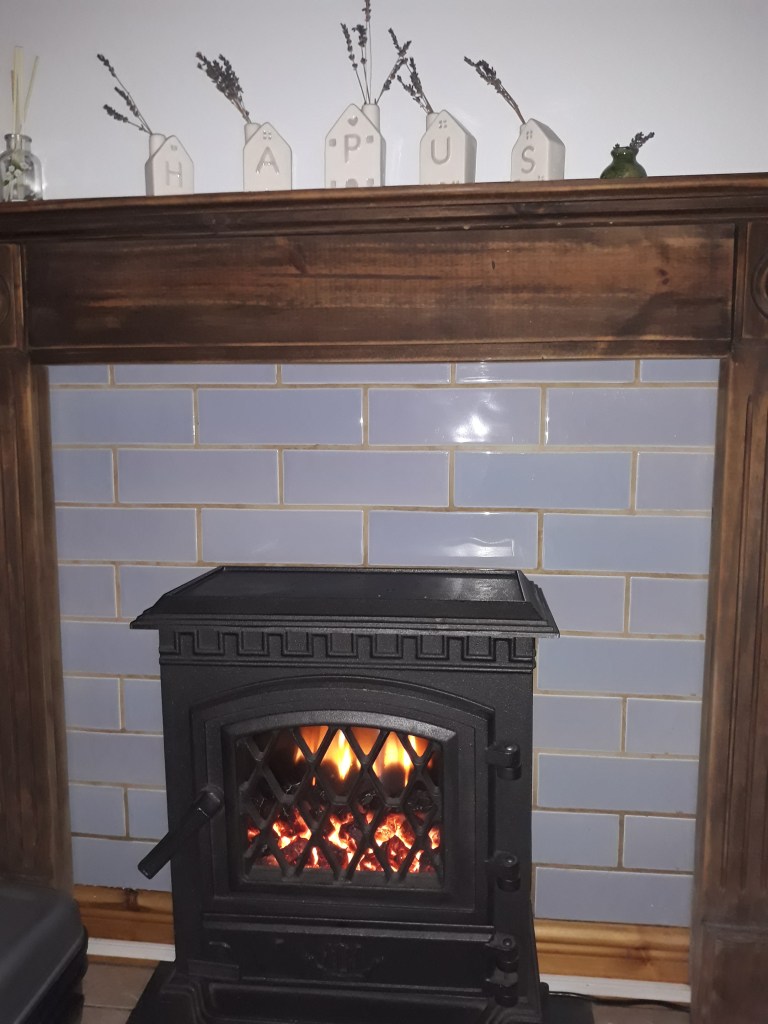
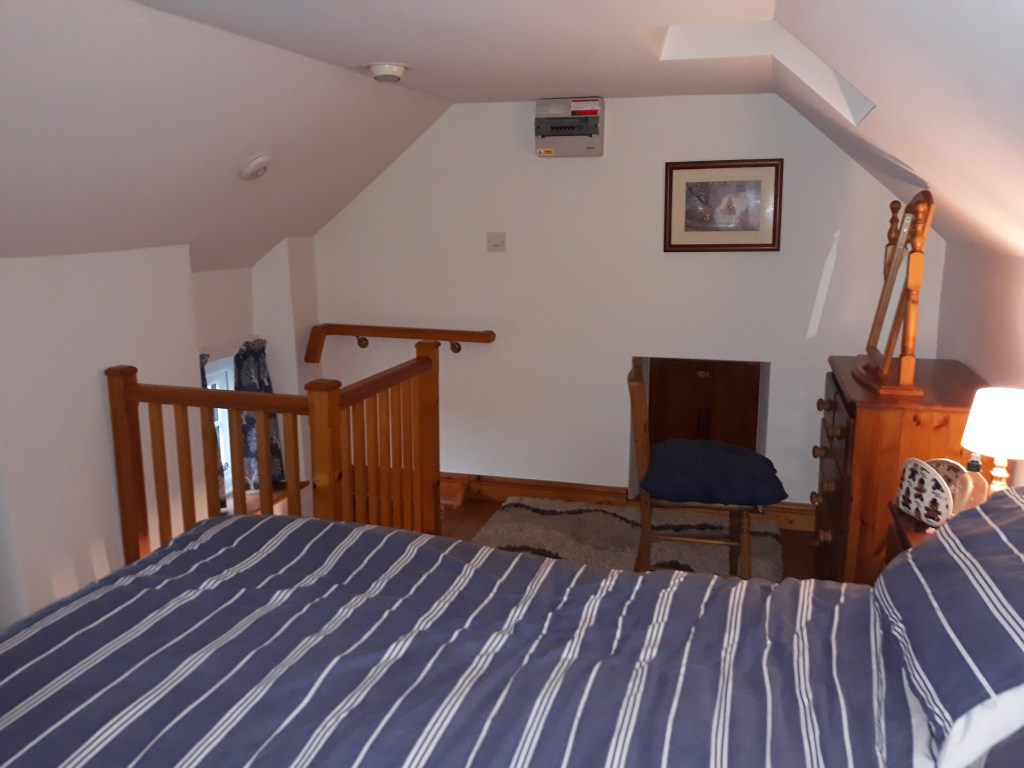
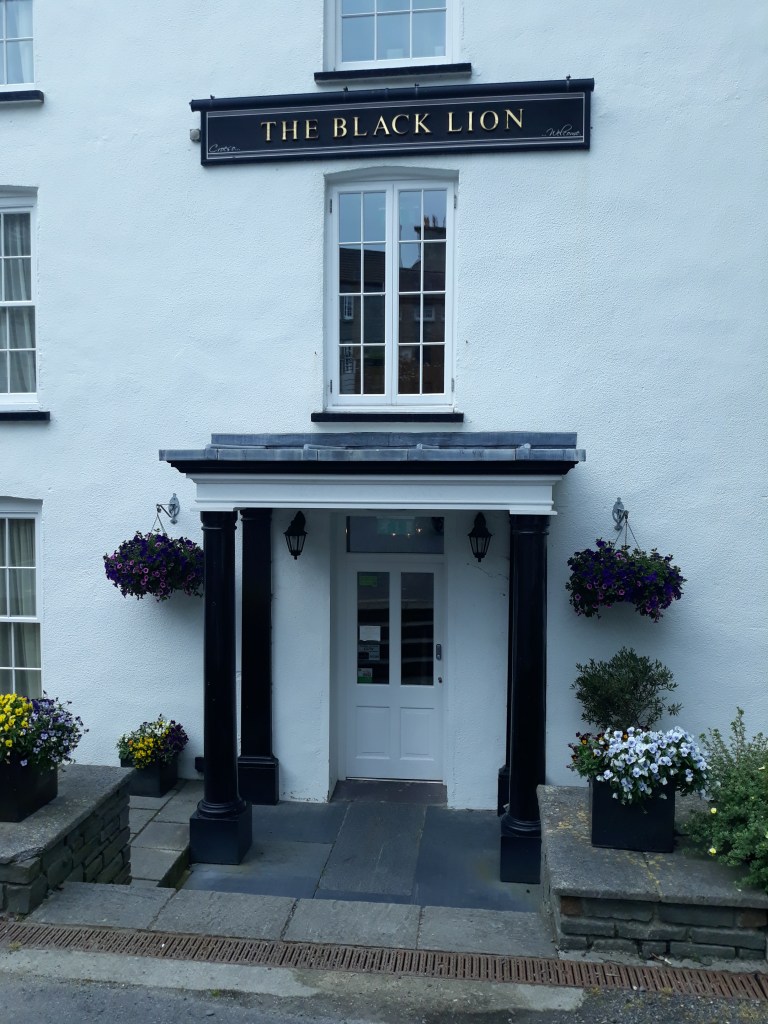
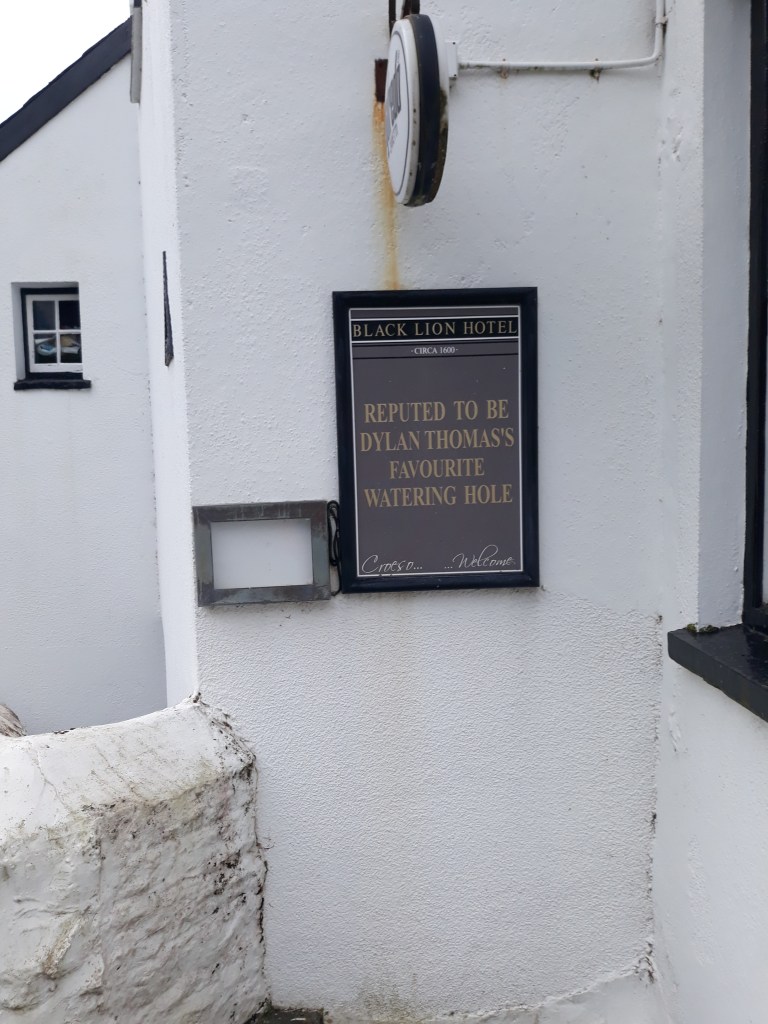
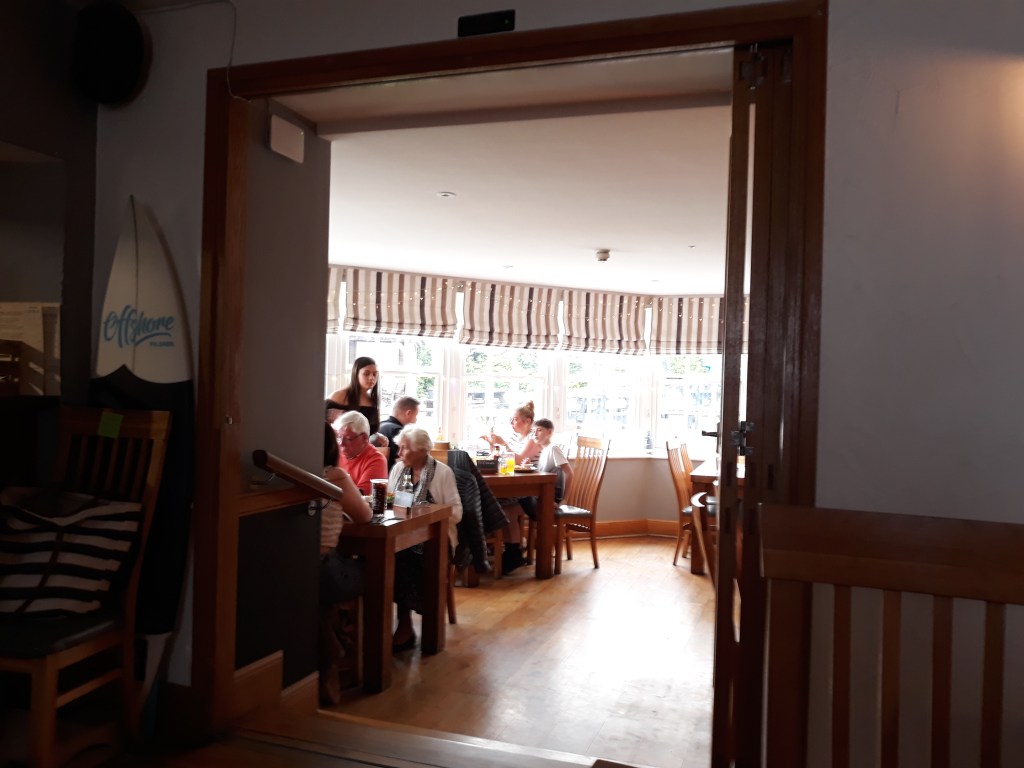
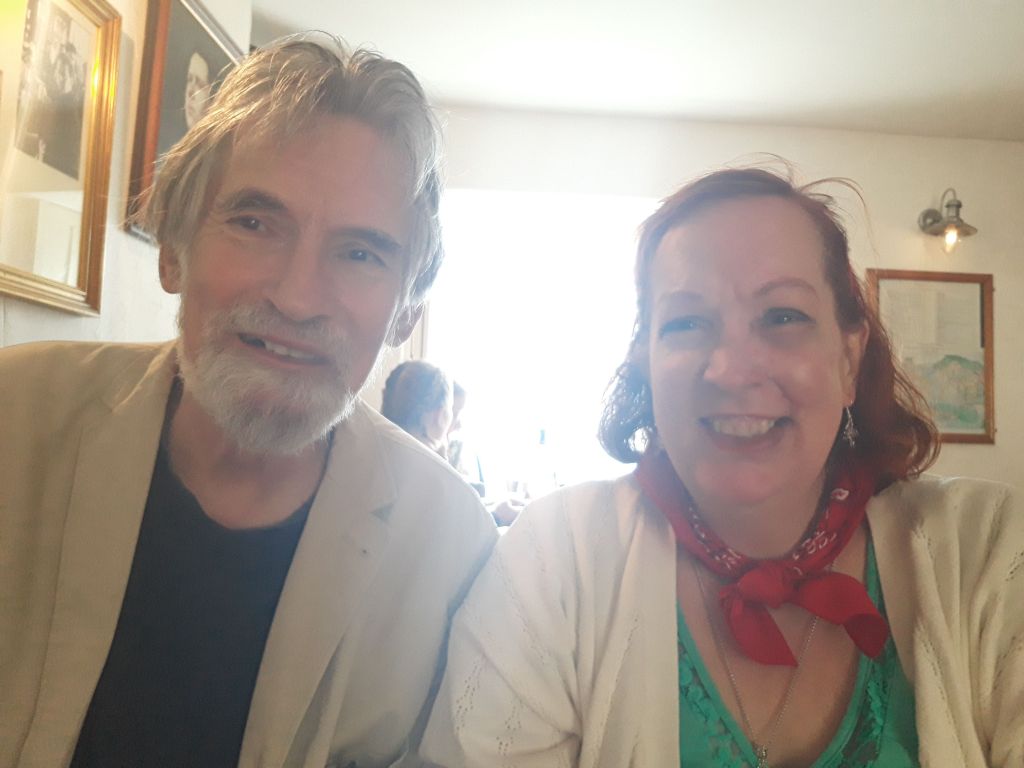
From here, in the hills above Cei Newydd, we’d explore the surroundings – we’d been hoping to spend some time on the beach, but as you who live on the British Isles all know, last summer wasn’t really a summer… So, the first place we visited, for various reasons, was the Black Lion pub in town; not only providing great pub food and affordable drinks, but also very special for all bookworms: it was the favourite drinking place of the greatest Welsh author of them all, Dylan Thomas, while he lived here in Cei Newydd.
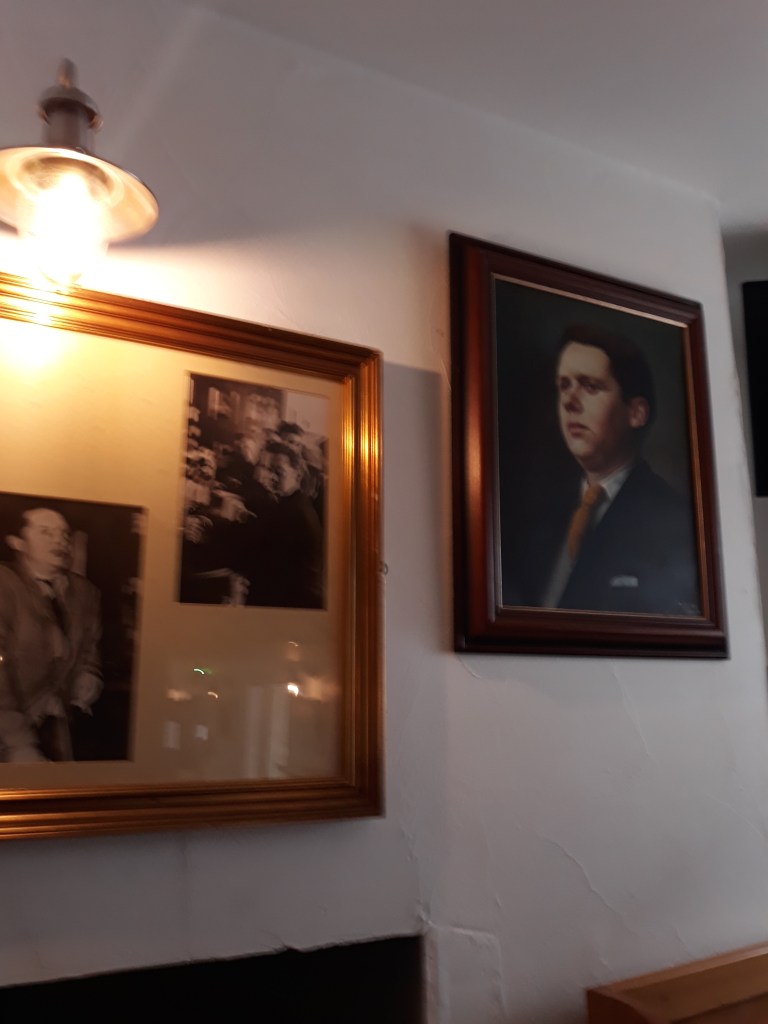
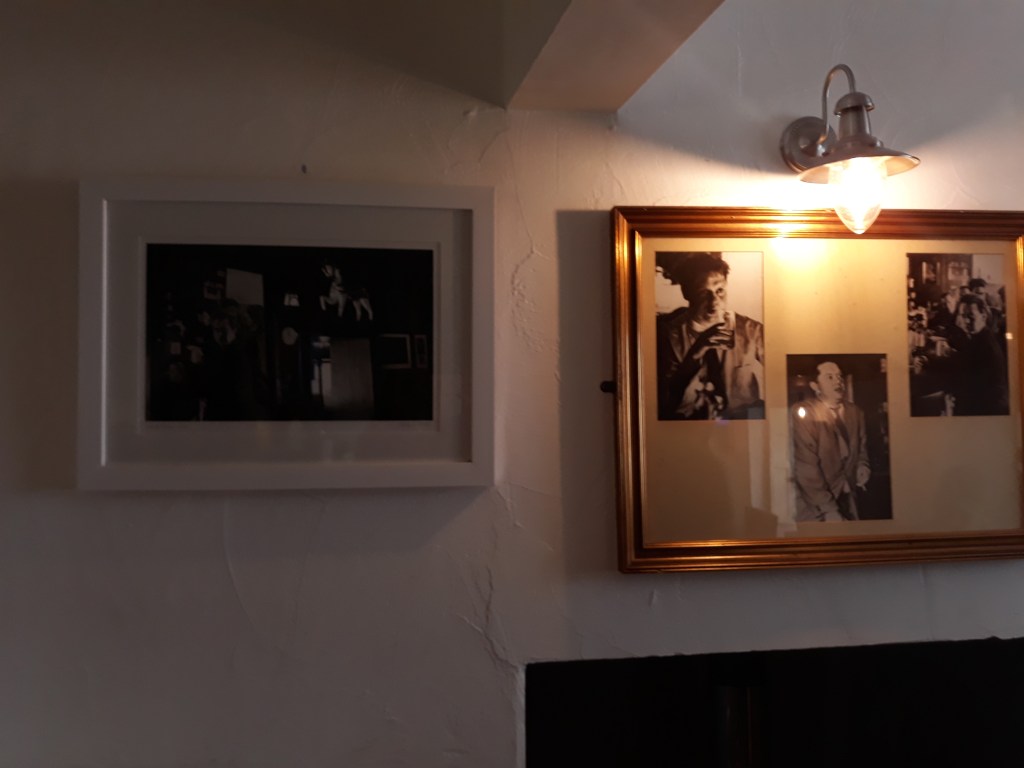
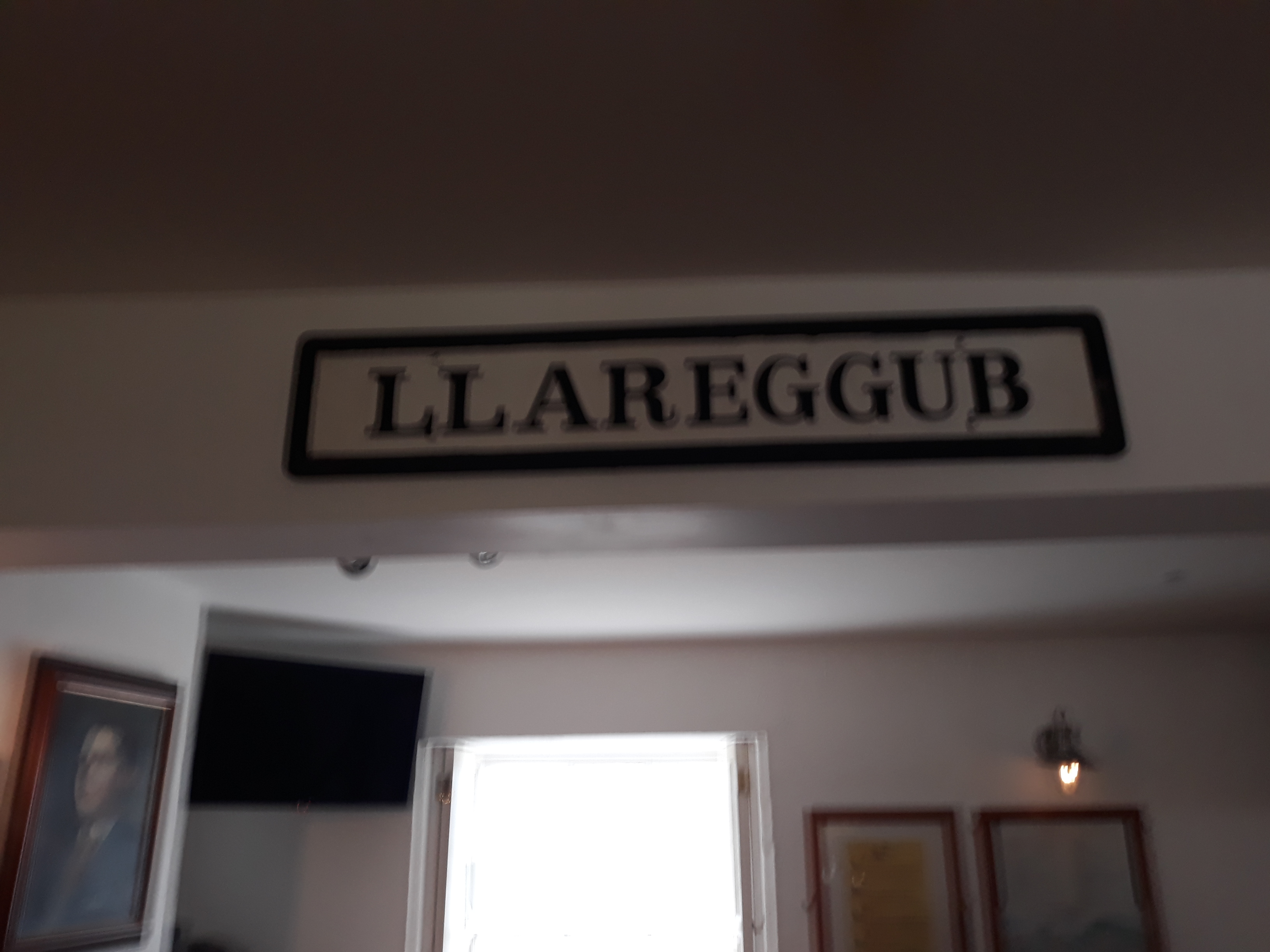
It’s been turned into a real little museum for the great bard, oozing with atmosphere, with portraits and photos all around and even a sign for the famous imaginary setting of his masterpiece “Under Milk Wood”, LLAREGGUB – read backwards to get the meaning! The Black Lion is the perfect place for literature lovers like us…
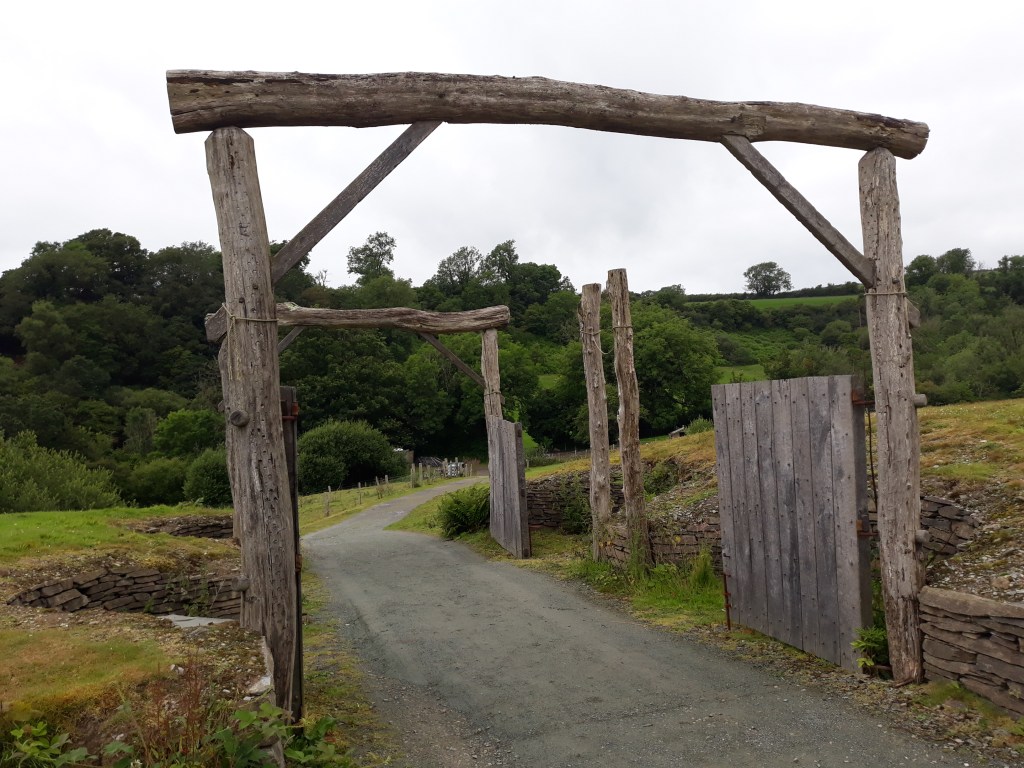
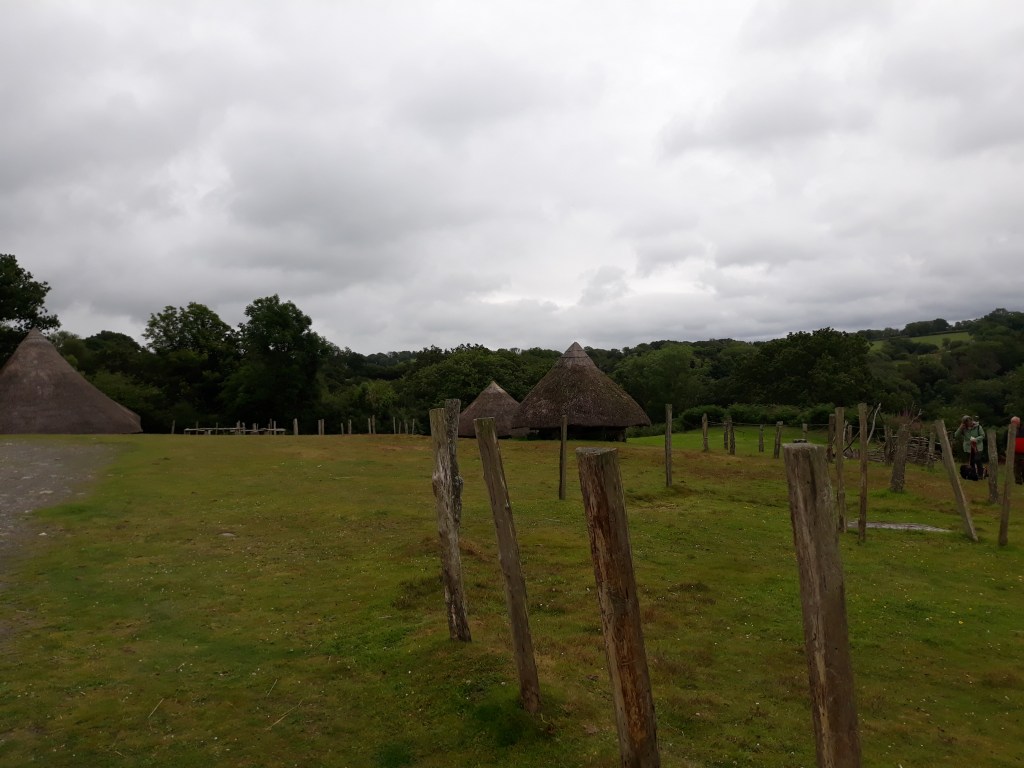
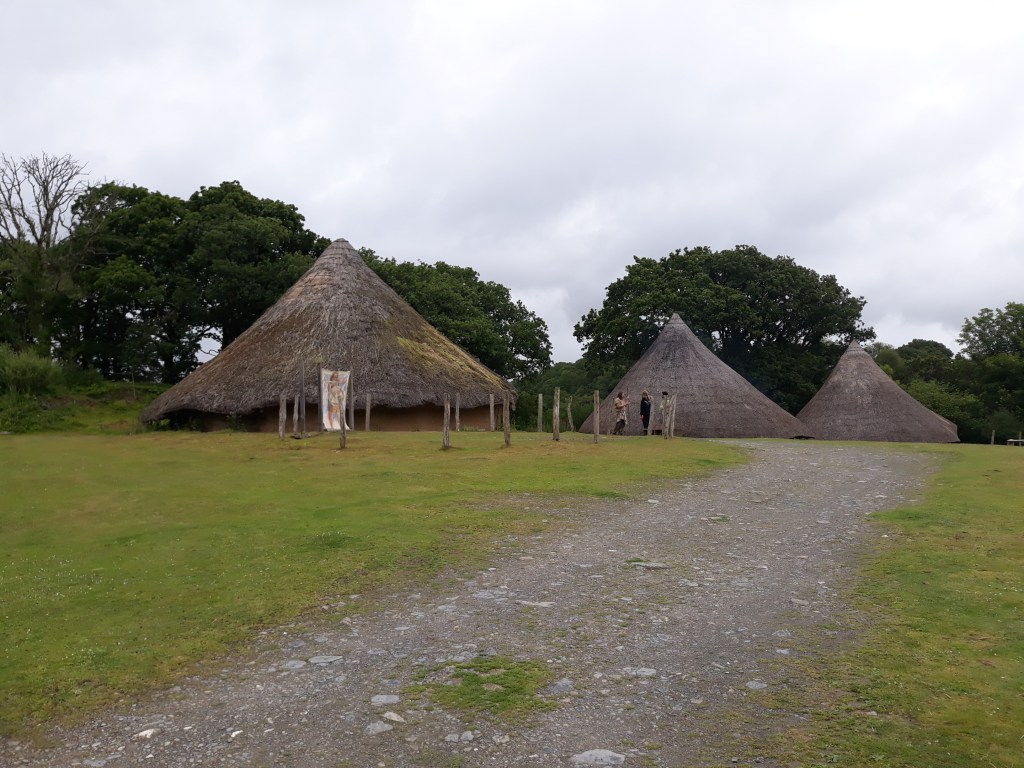
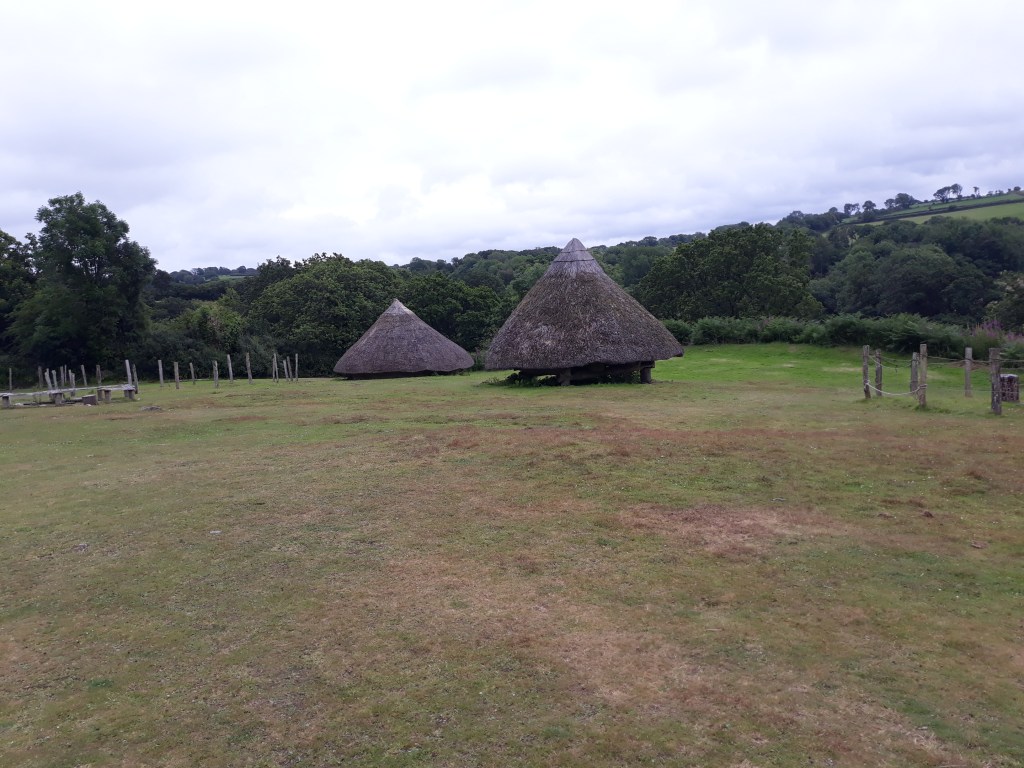
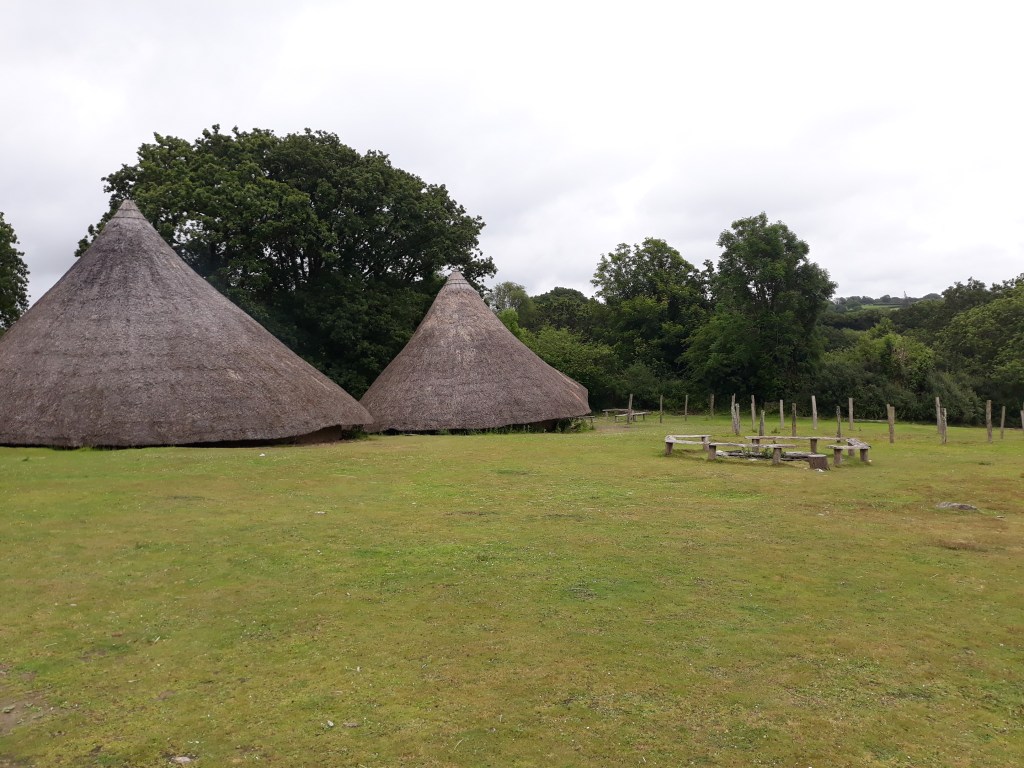
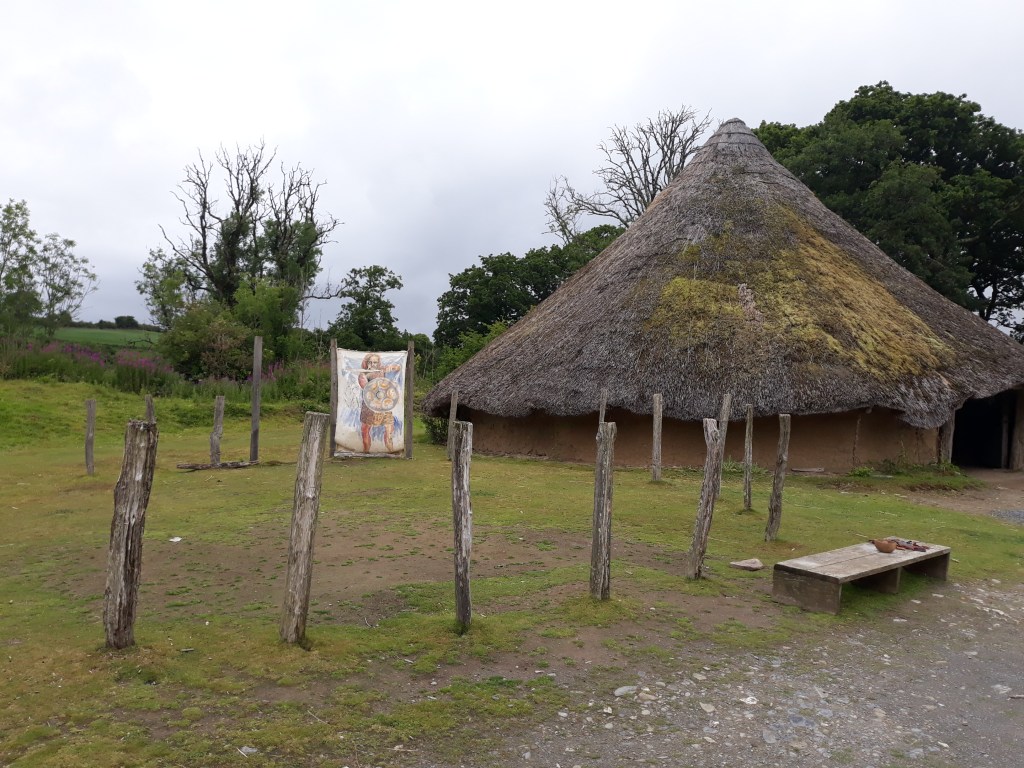
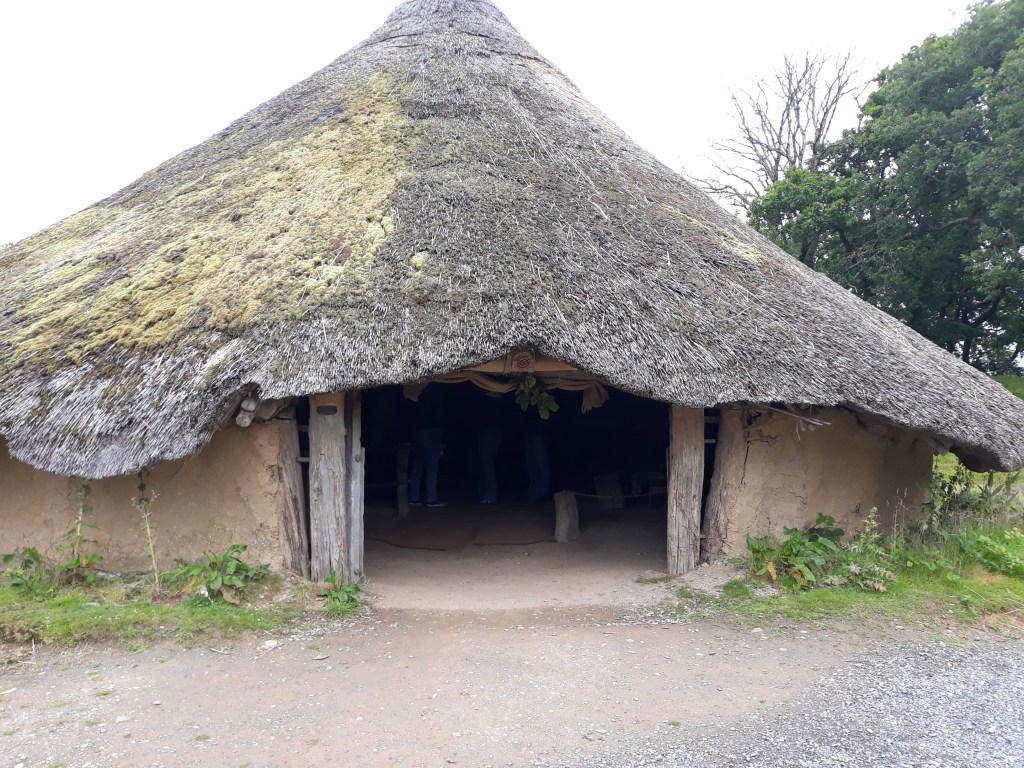
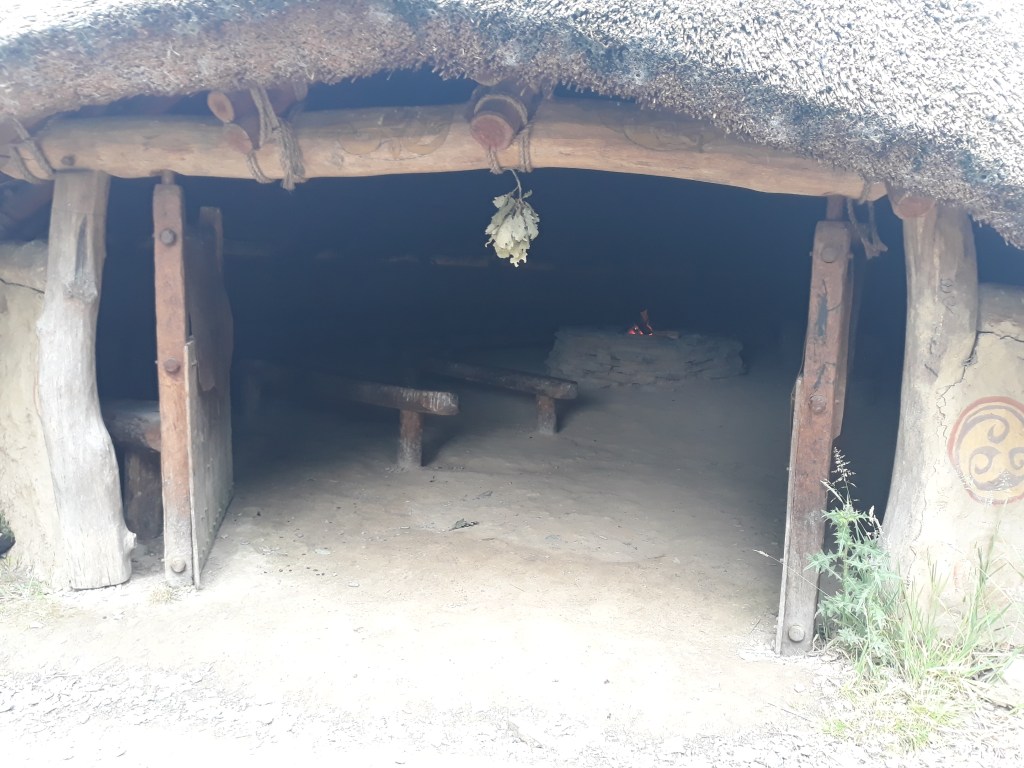
Due to the weather, and our lovely cottage being so warm and cosy, we spent a lot of time there, just enjoying the peace and quiet and the ready meals from the supermarket in town. There was one place, though, that I knew we absolutely HAD to see: Castell Henllys – a reconstructed Celtic village from the Iron Ages, unique in the whole of Britain!
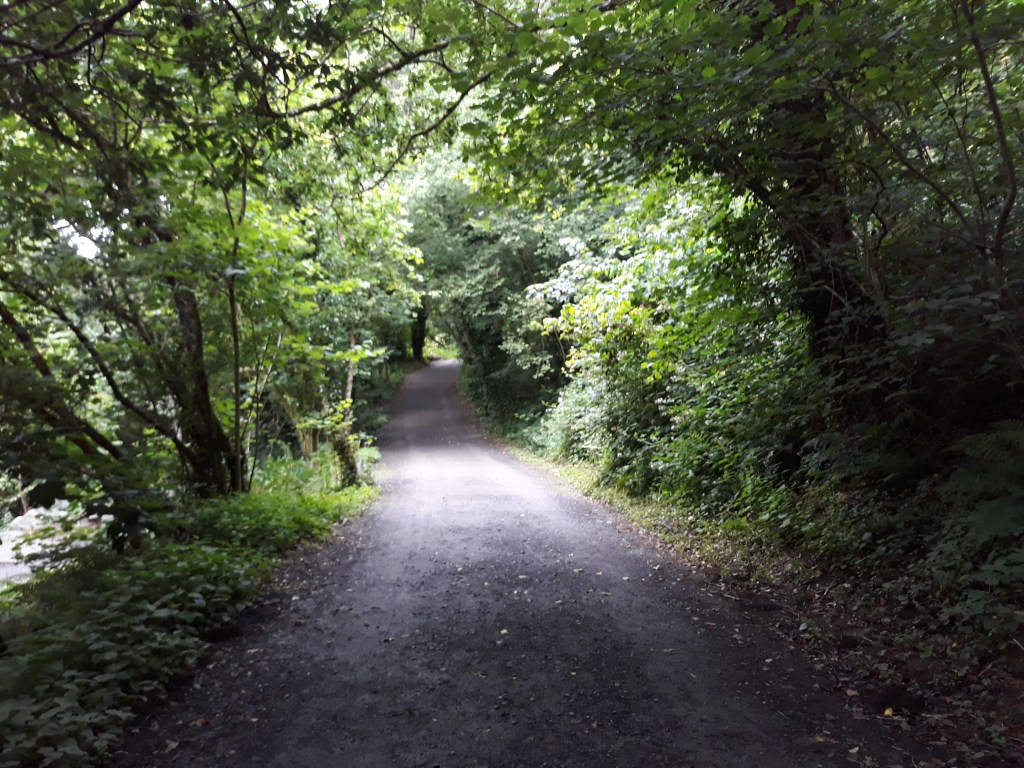
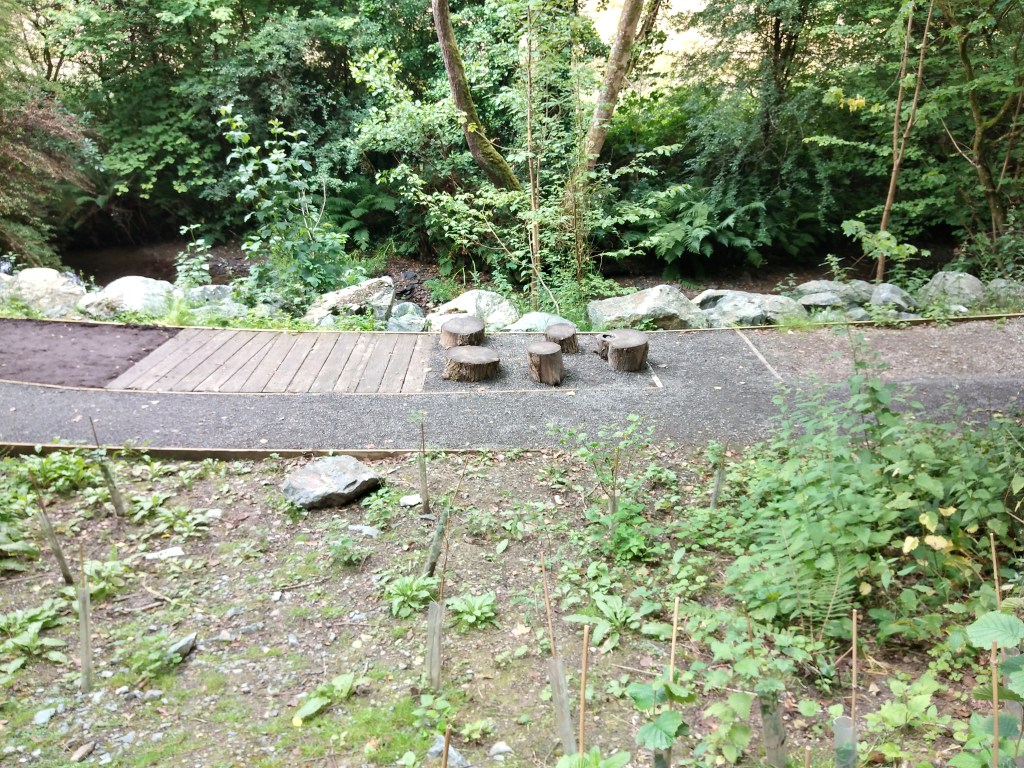
We found our way there on another rather rainy afternoon, and we soon realised that this is really one of the greatest hidden gems in South Wales. Surrounded by an untouched green forest, it’s situated at the top of a little hill – I was very glad to see that mobility scooters are available for free at the visitors centre, because it’s quite a walk to the entrance!
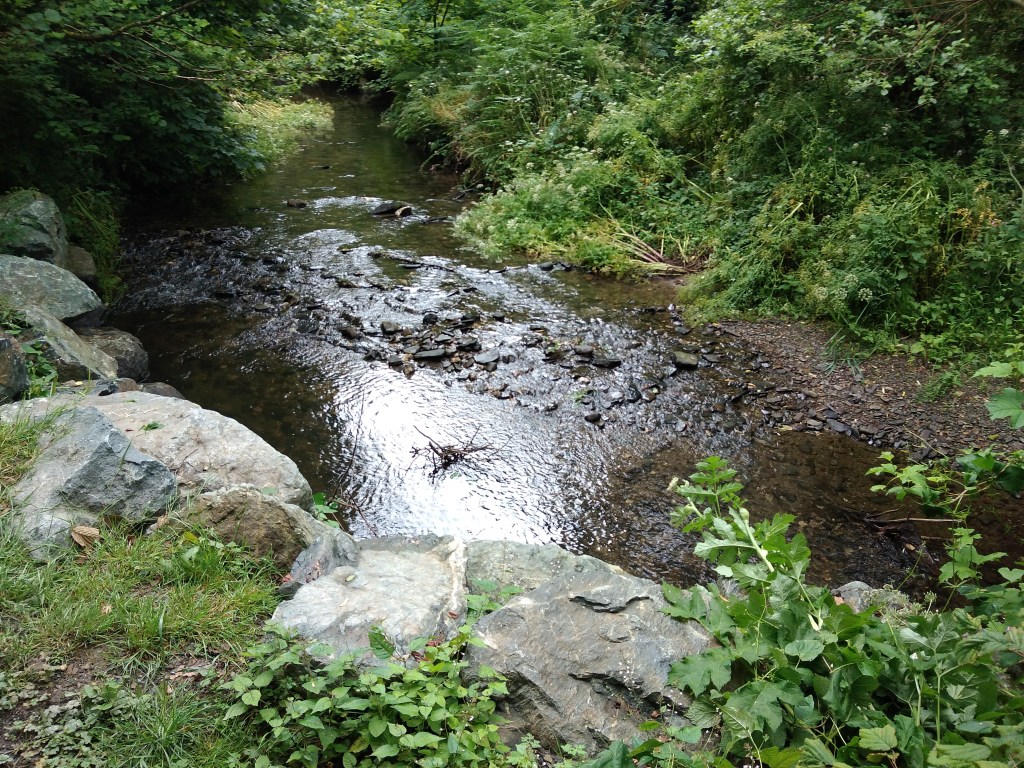
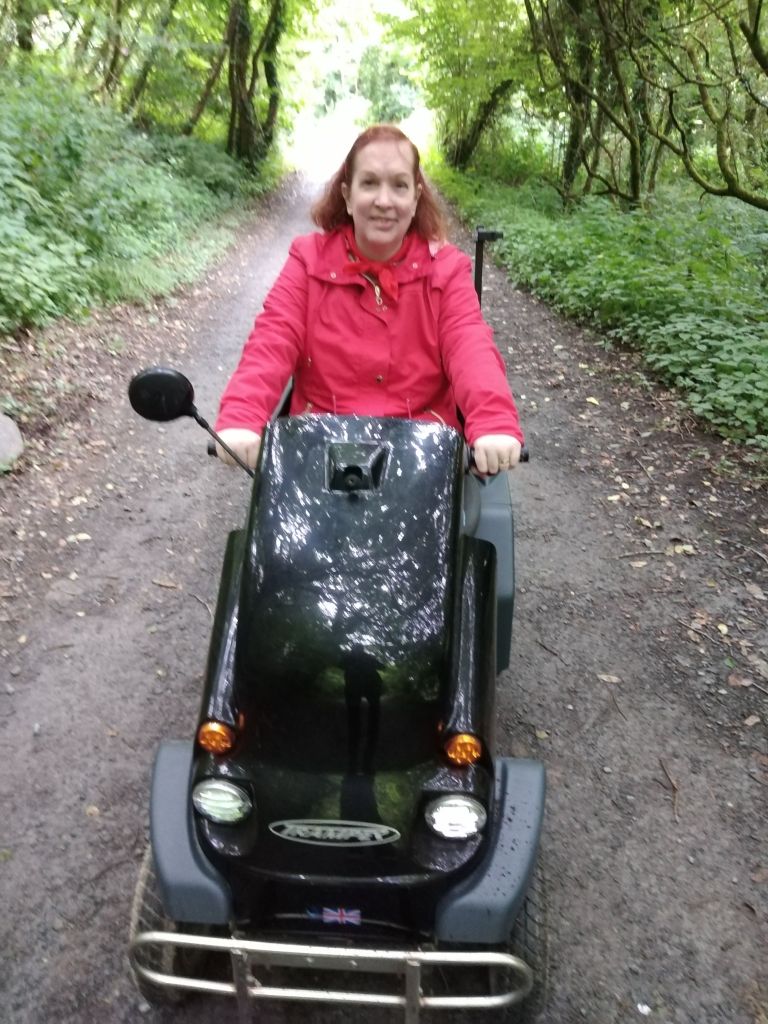
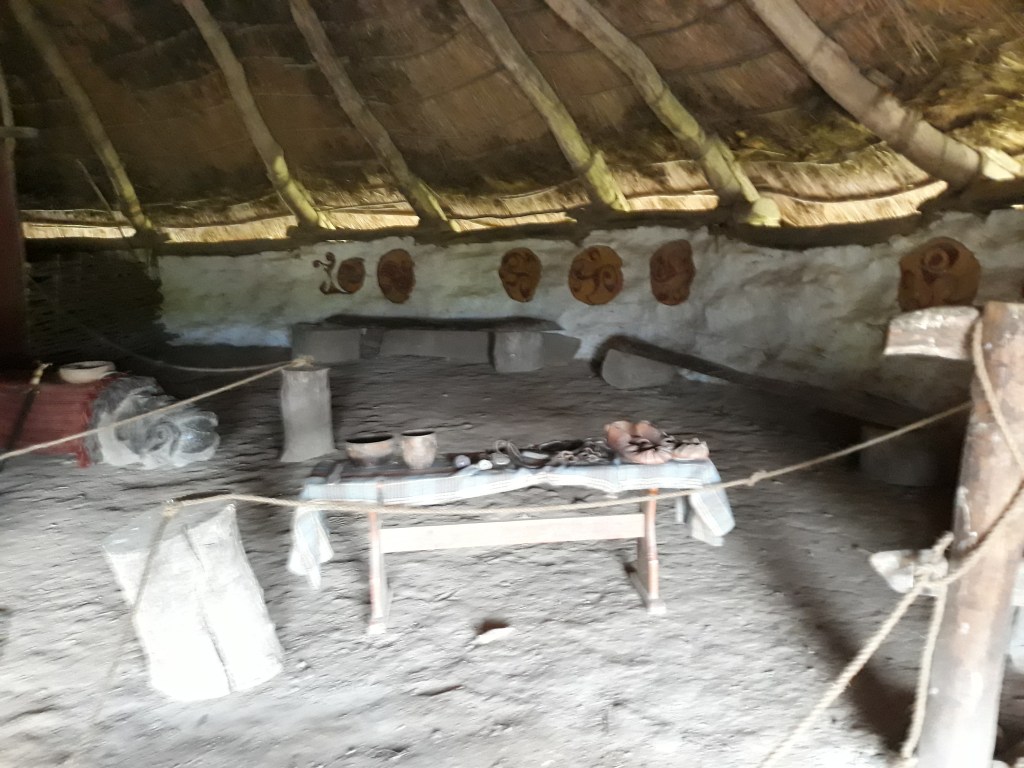
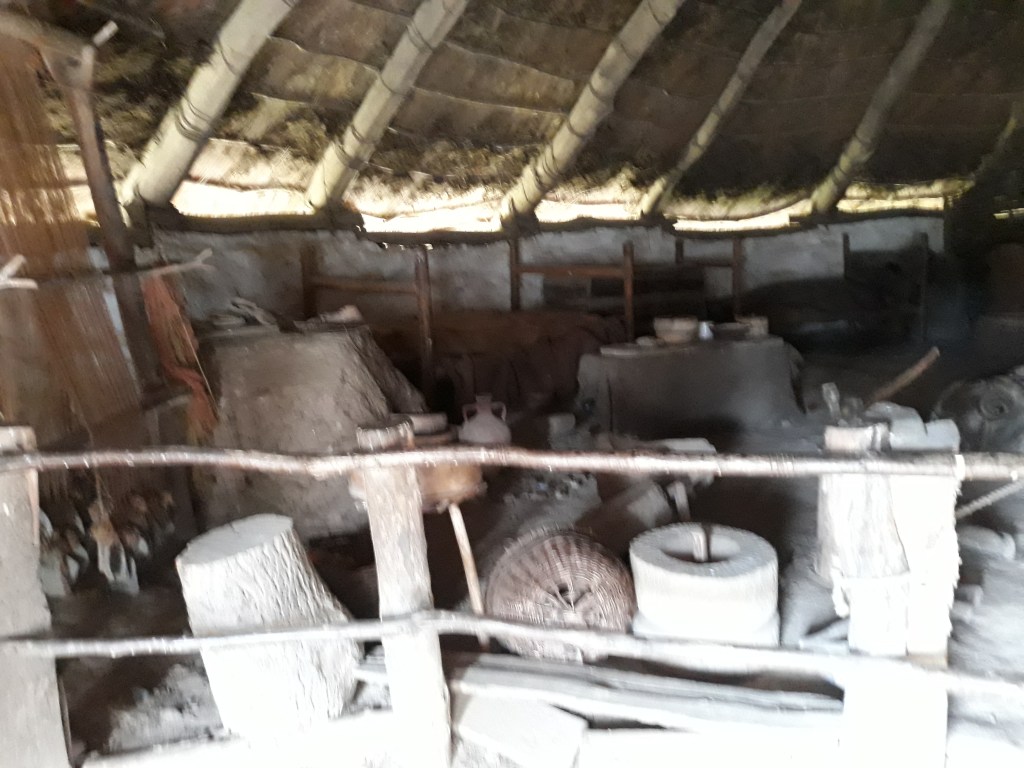
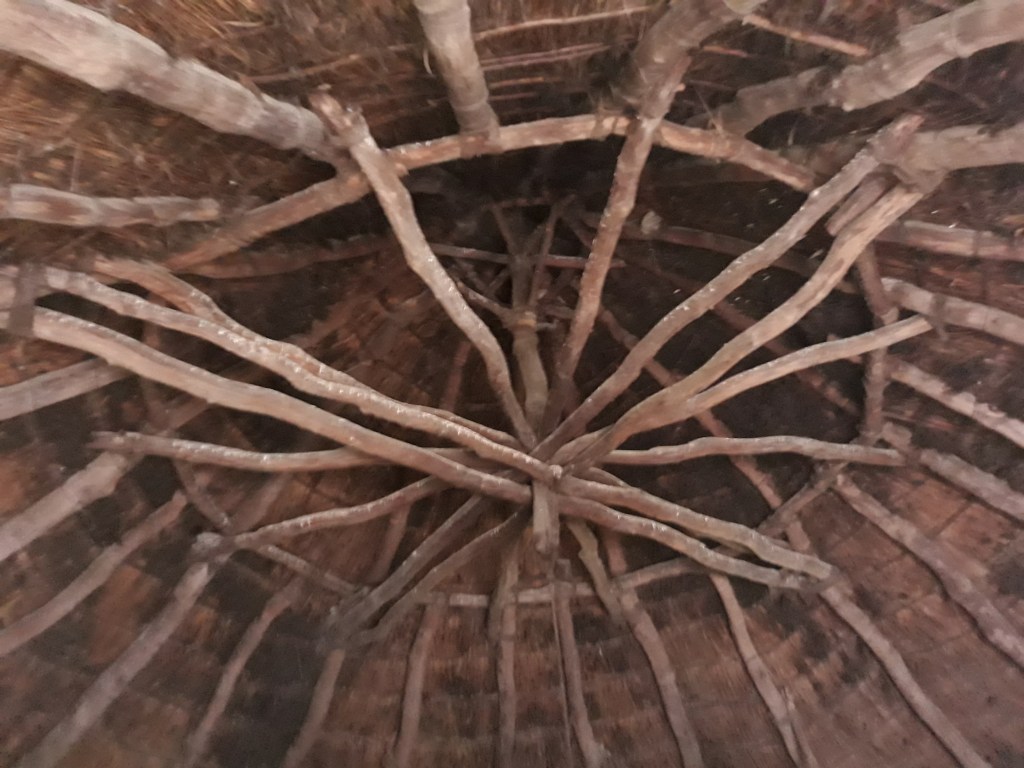
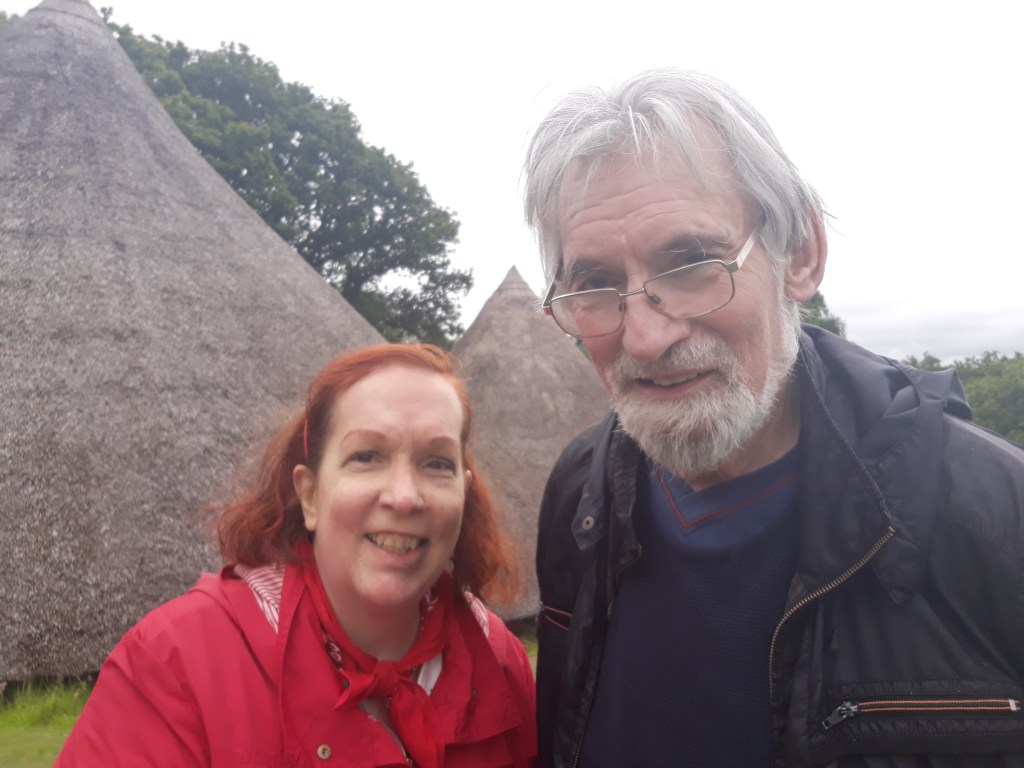
And there it was, taking us more than 2,000 years back into time. Every little detail of Iron Age life has been carefully recreated here, from the huts with the conical roofs to the amphoras, baskets and millstones inside, and on top of it all, guides dressed in Celtic robes can answer all your questions about the Celtic Iron Age and tell you all sorts of stories about life in the village! This is an absolute must for everybody visiting the area.
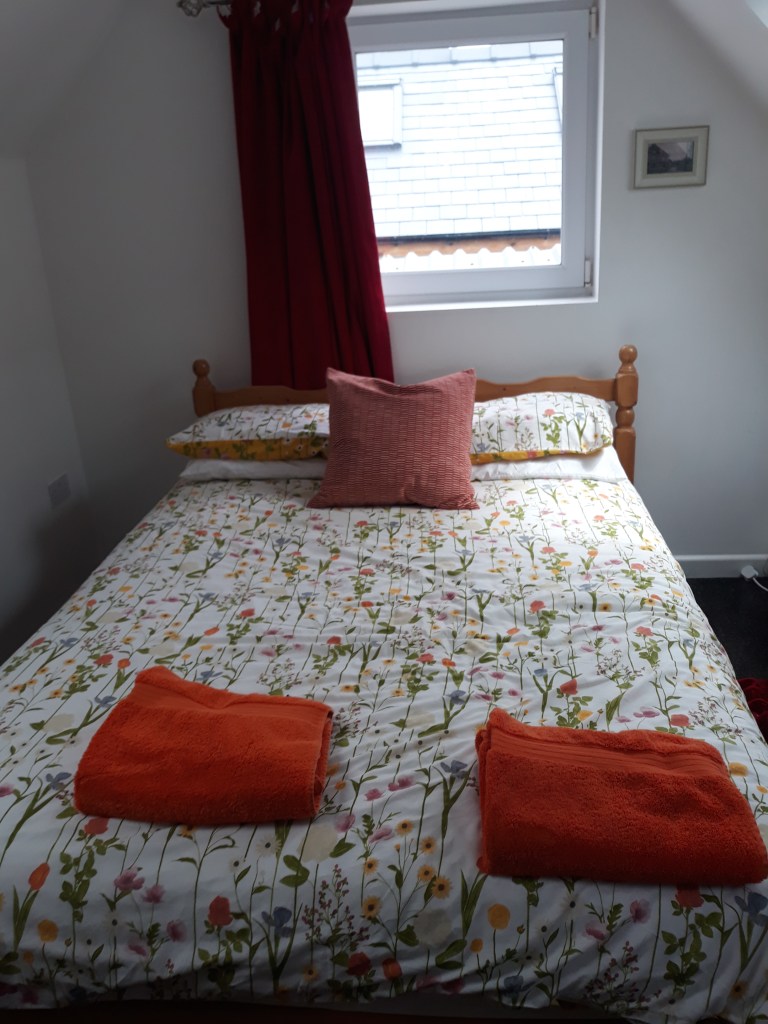
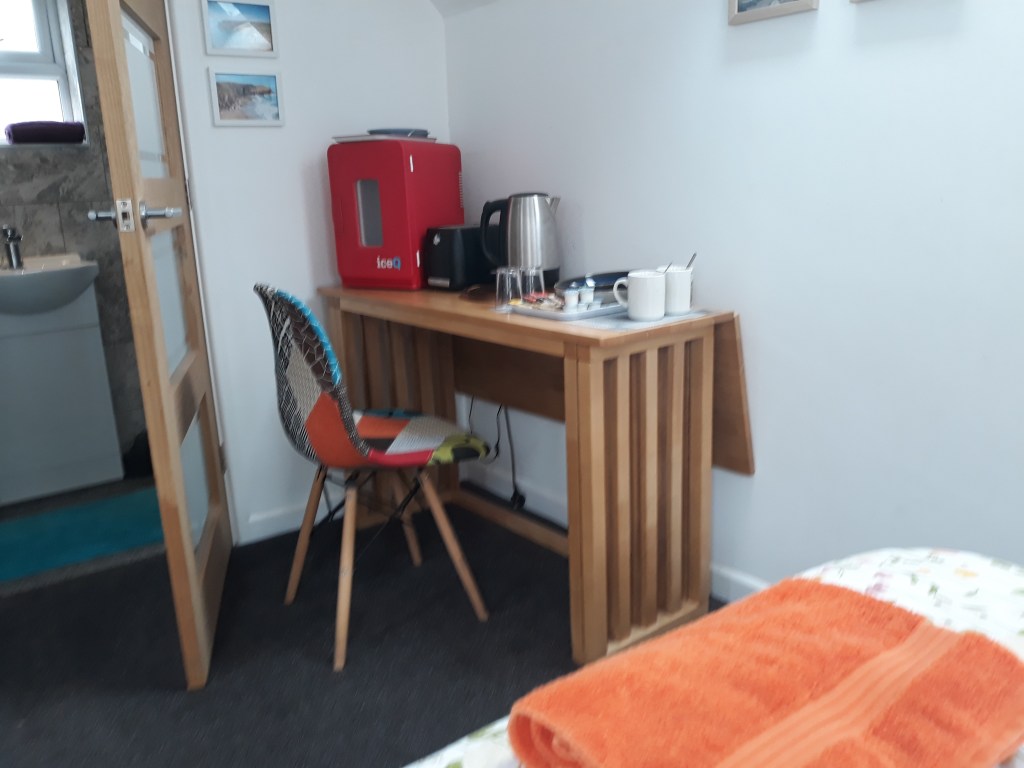
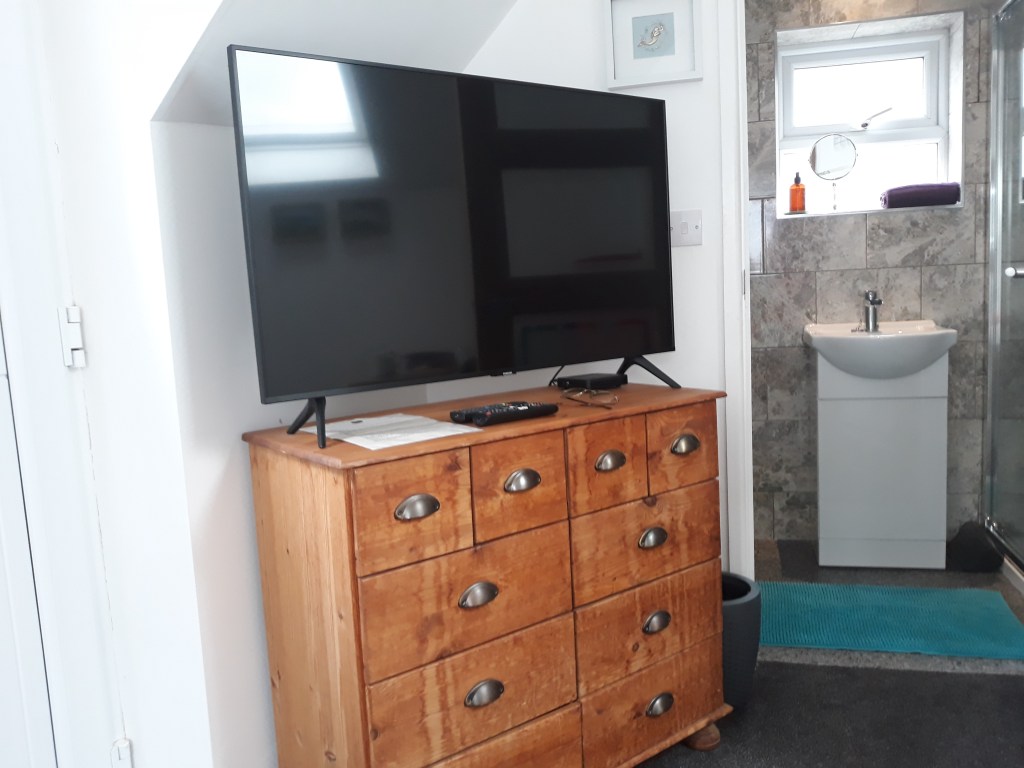
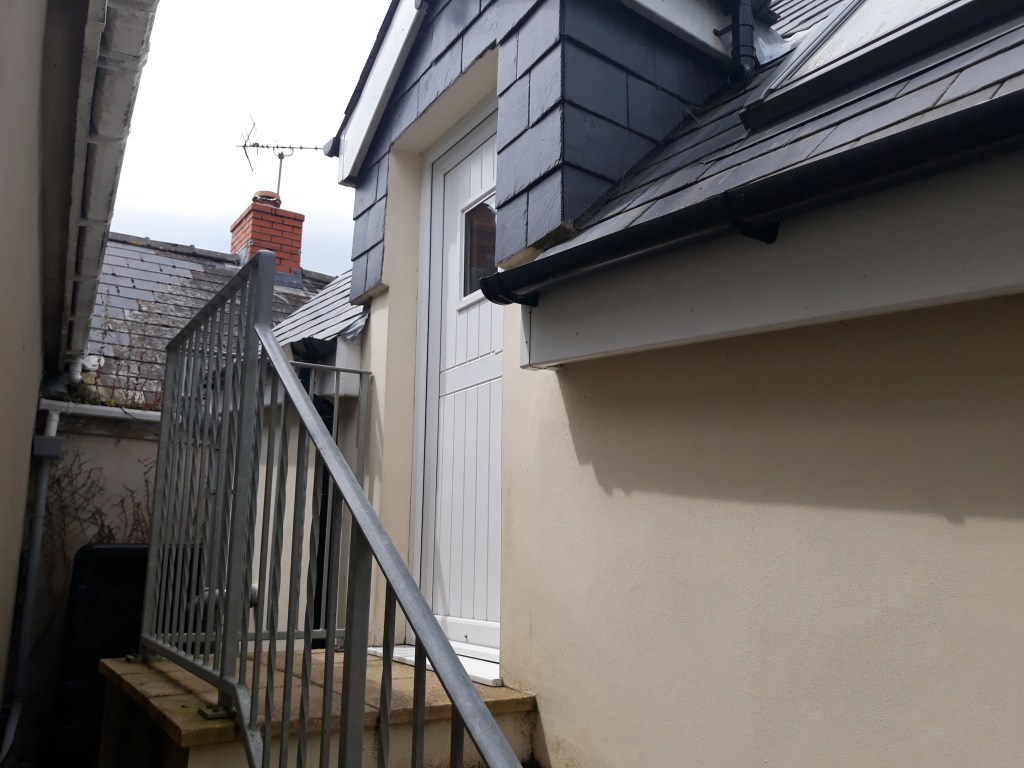
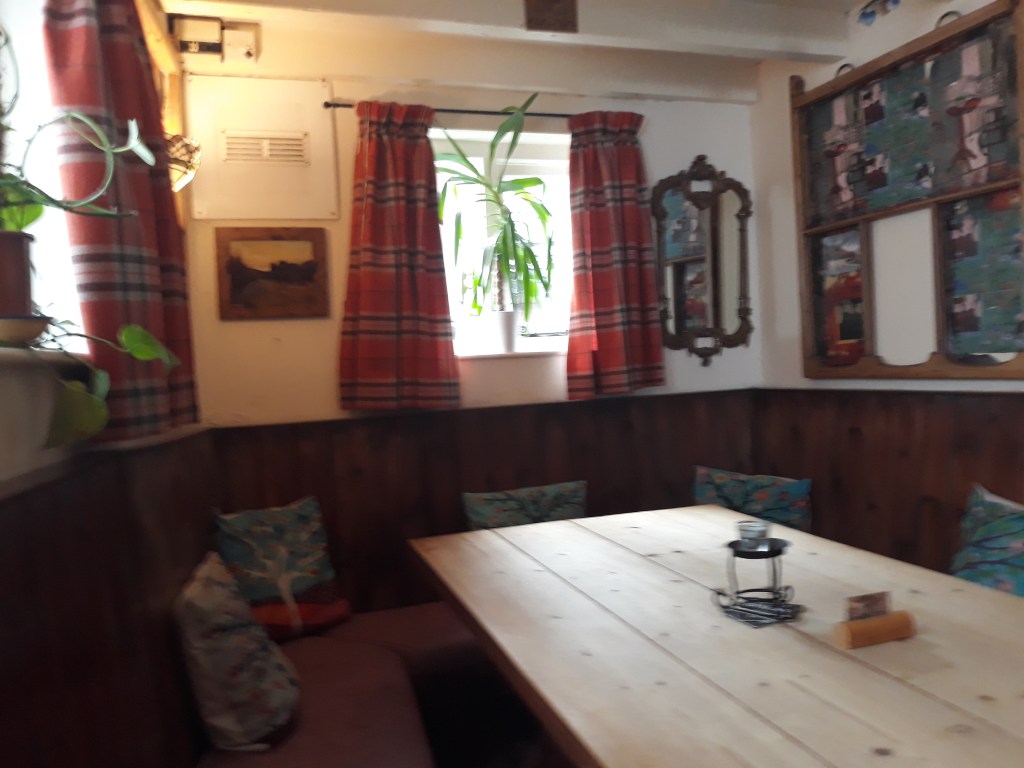
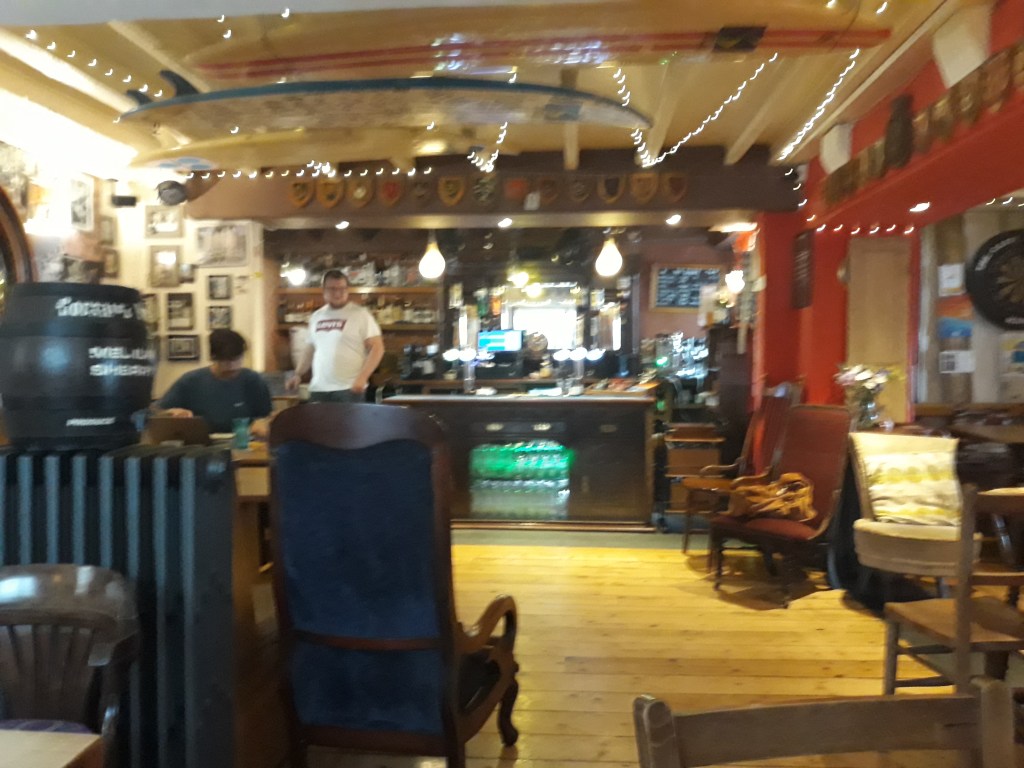
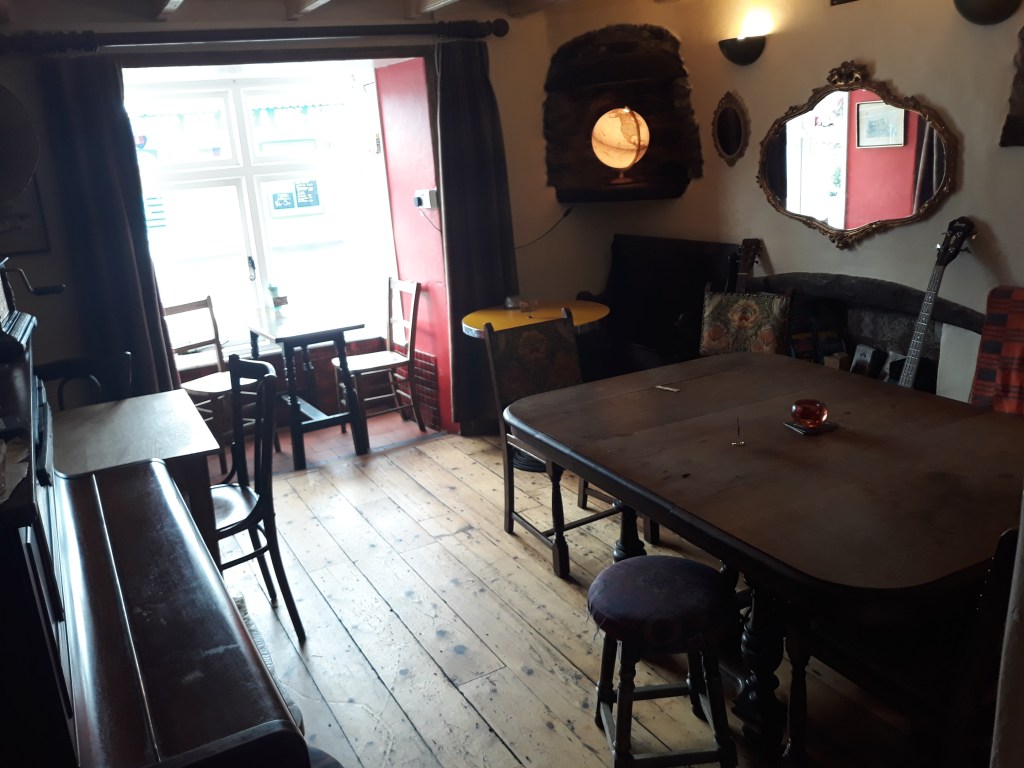
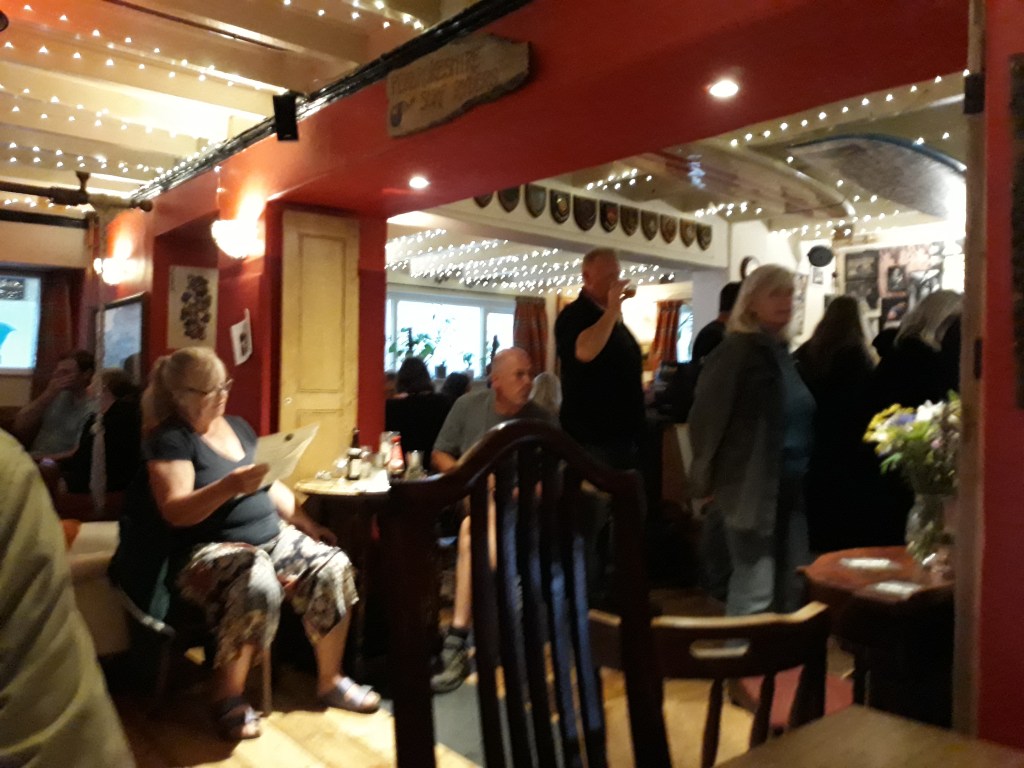
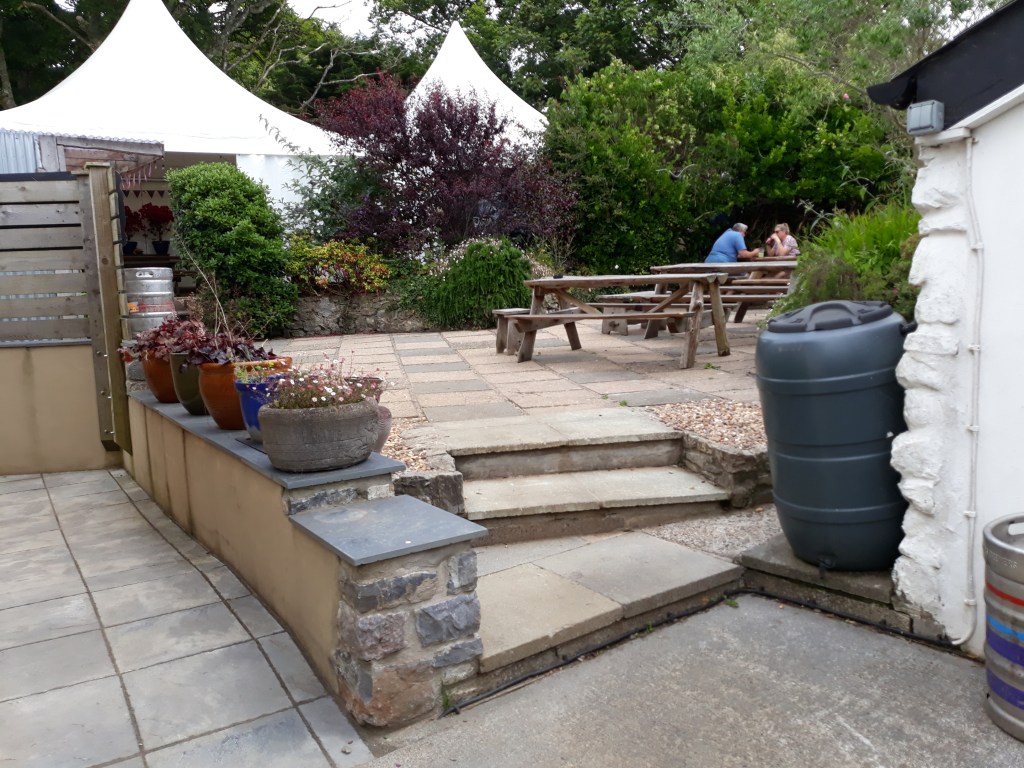
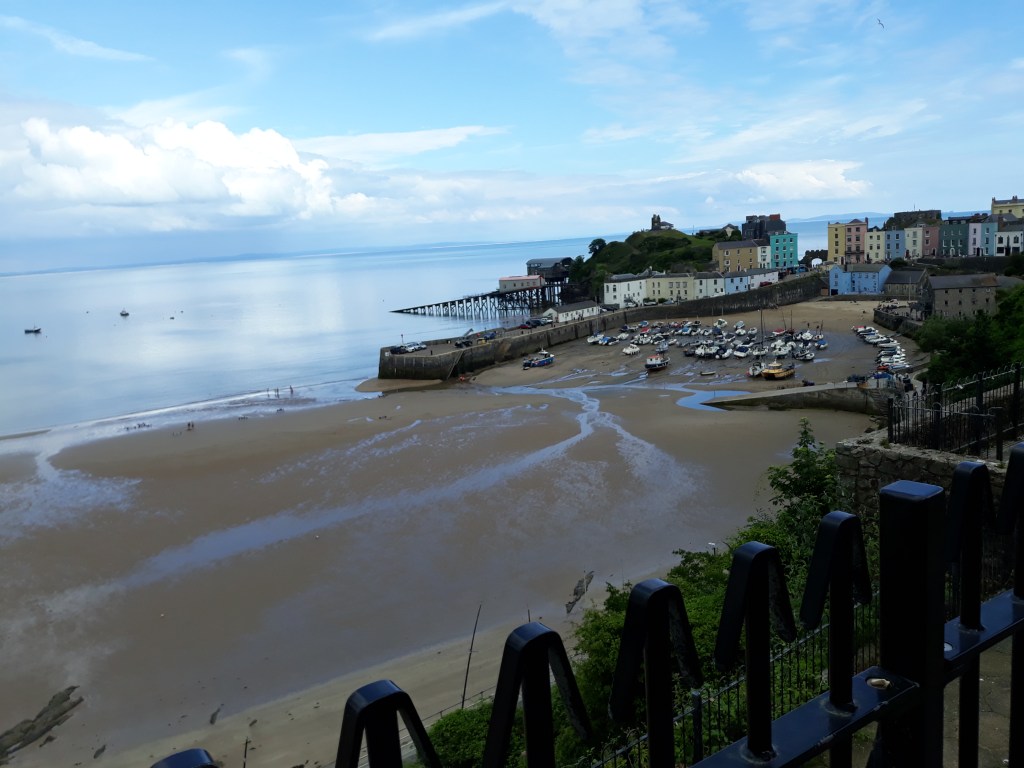
But there was another place that we wanted to see: the famous resort town of Tenby, with its colourful houses and its beautiful beaches, where the great rock star Bonnie Tyler was born – and my darling husband, from what his parents hinted, might have been conceived! So, after our week in our dream cottage, we went on further south to Manorbier close to Tenby, where we’d booked our own little ‘keep’ on the grounds of the Castle Inn, a comfy and homey pub restaurant for sightseers and surfers alike. We really felt at home here, we enjoyed the hospitality and abundant food over a long weekend, and we even became something like part of a wedding party that stretched over almost the whole three days!
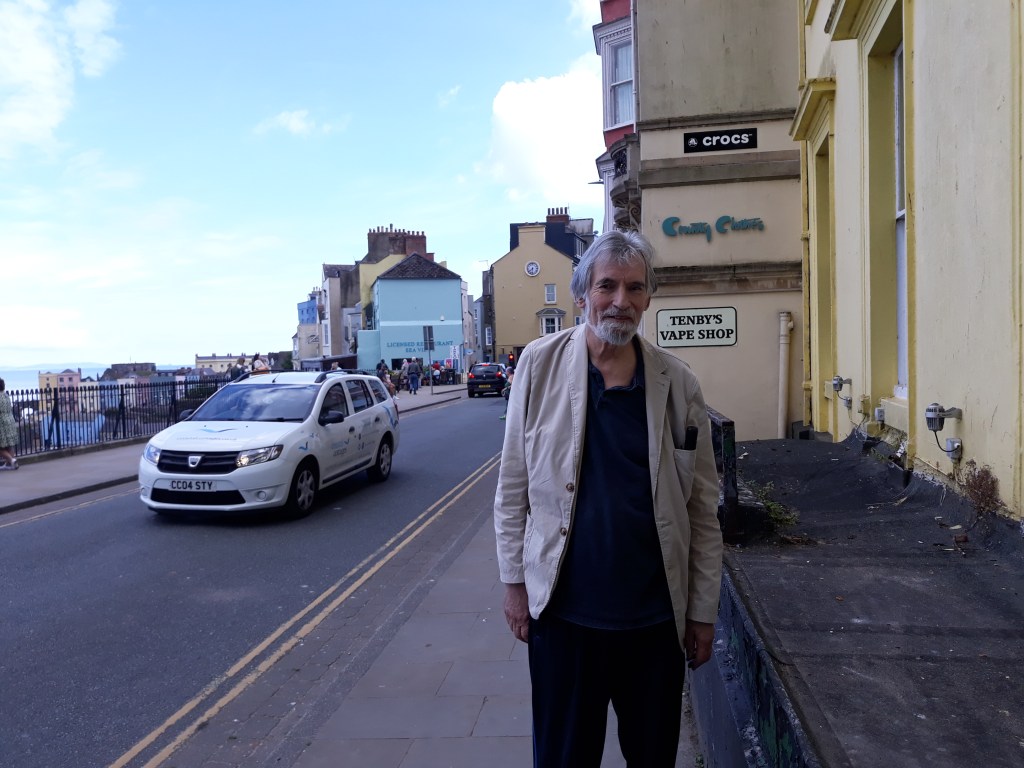
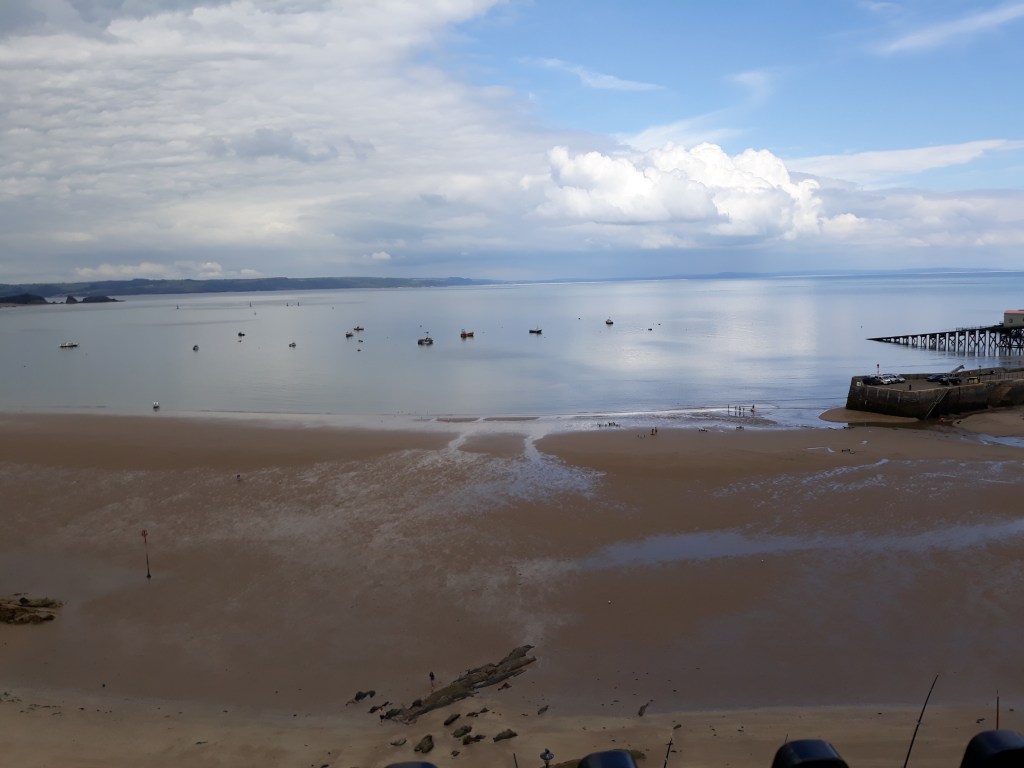
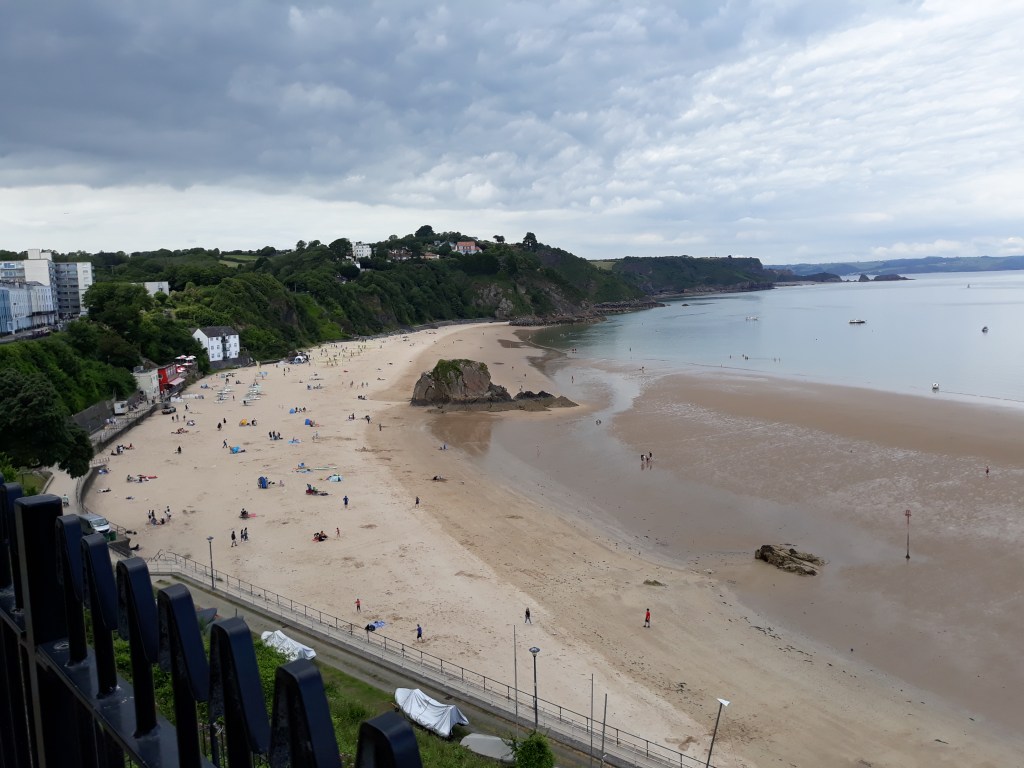
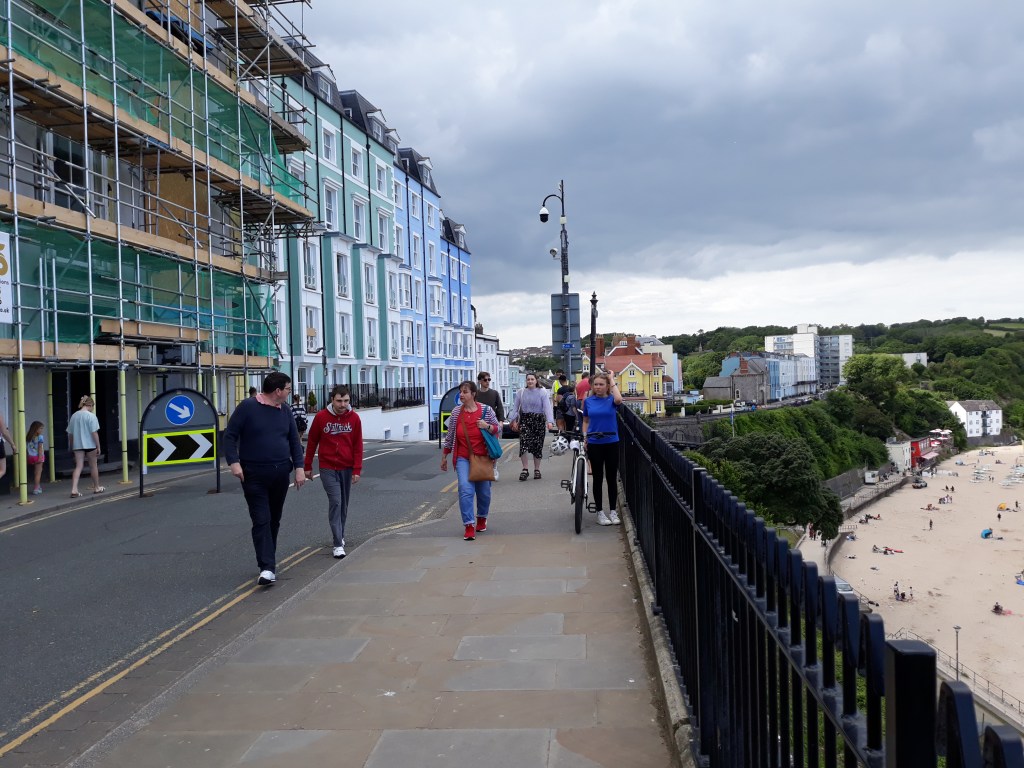
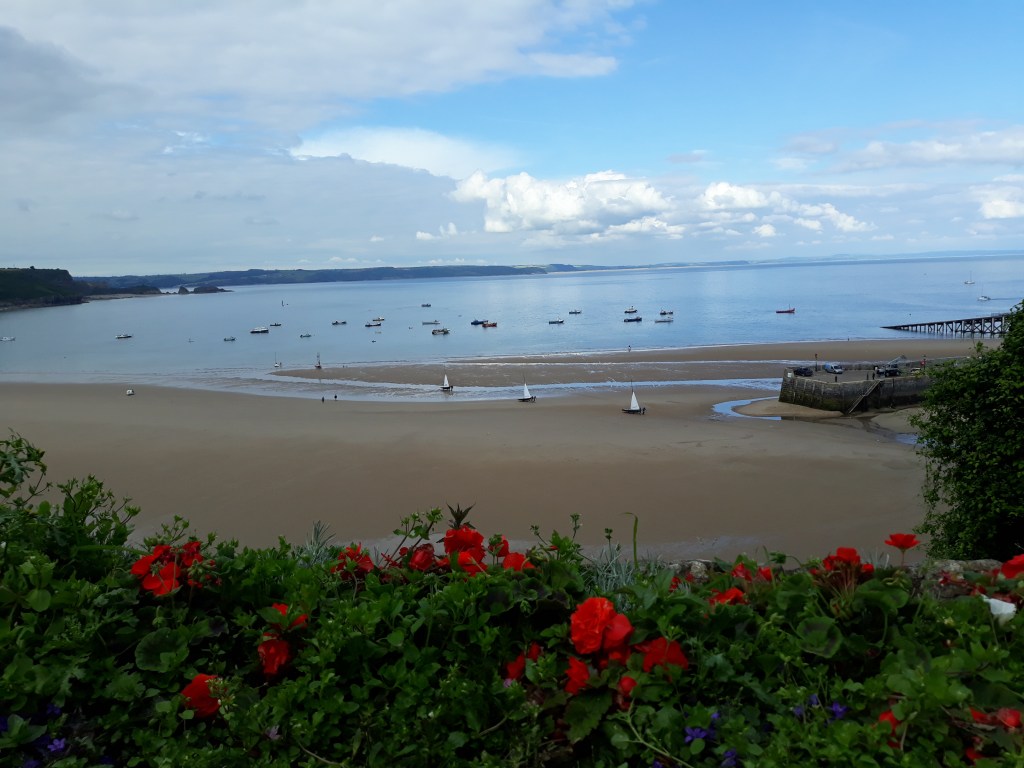
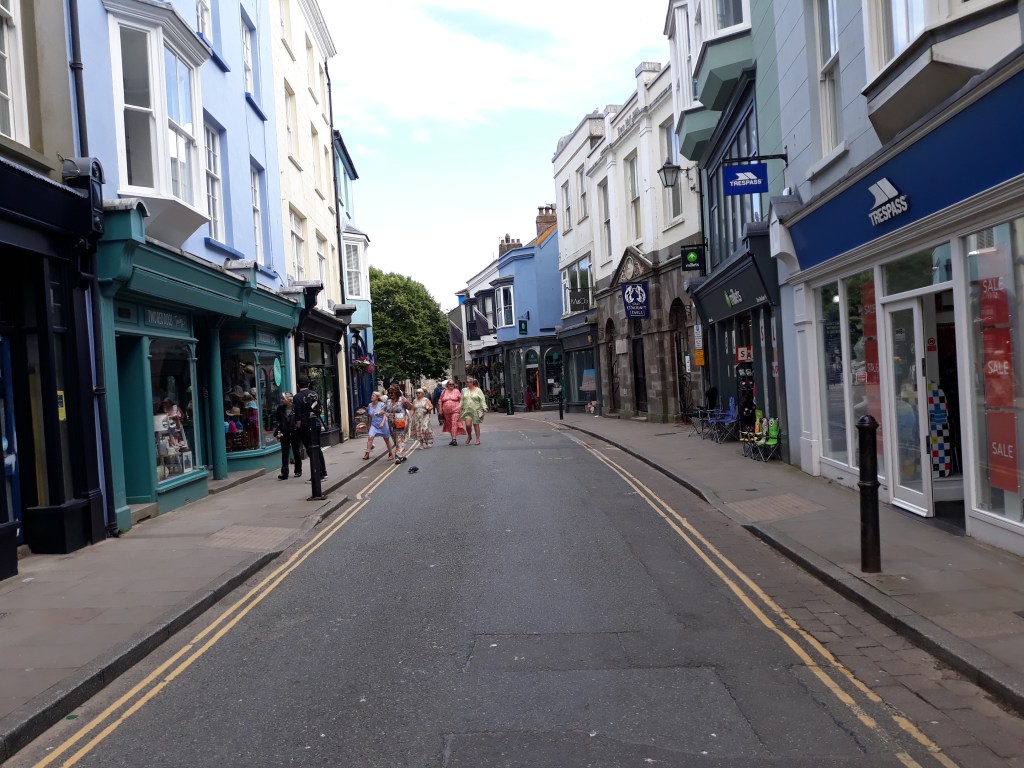
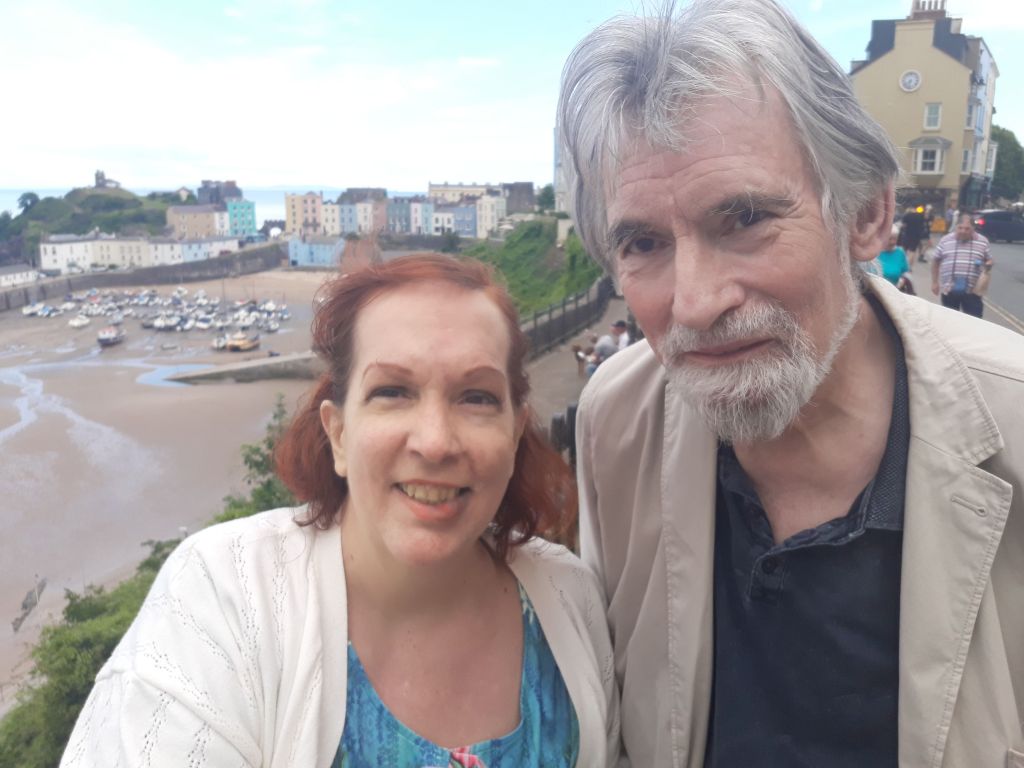
On a halfway sunny afternoon, we finally went into Tenby – and honestly, picturesque is an understatement for it. Situated above the beach, the little town really is one of the most beautiful and most Welsh places I’ve ever seen, drenched in colour and decorated with lots of flowers. The view on the beach is breathtaking even on a cloudy day, and of course there’s a choice of bars, restaurants, cafes and souvenir shops. You get completely lost in time sitting on a bench overlooking the sea, it’s simply the perfect relaxing holiday place!
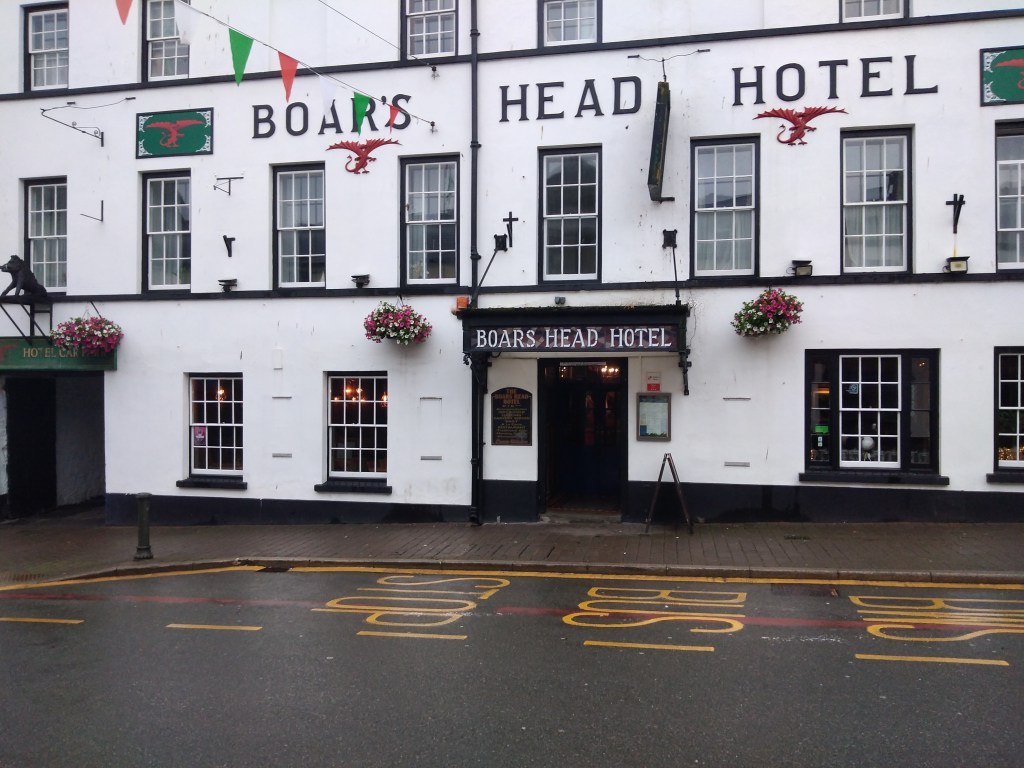
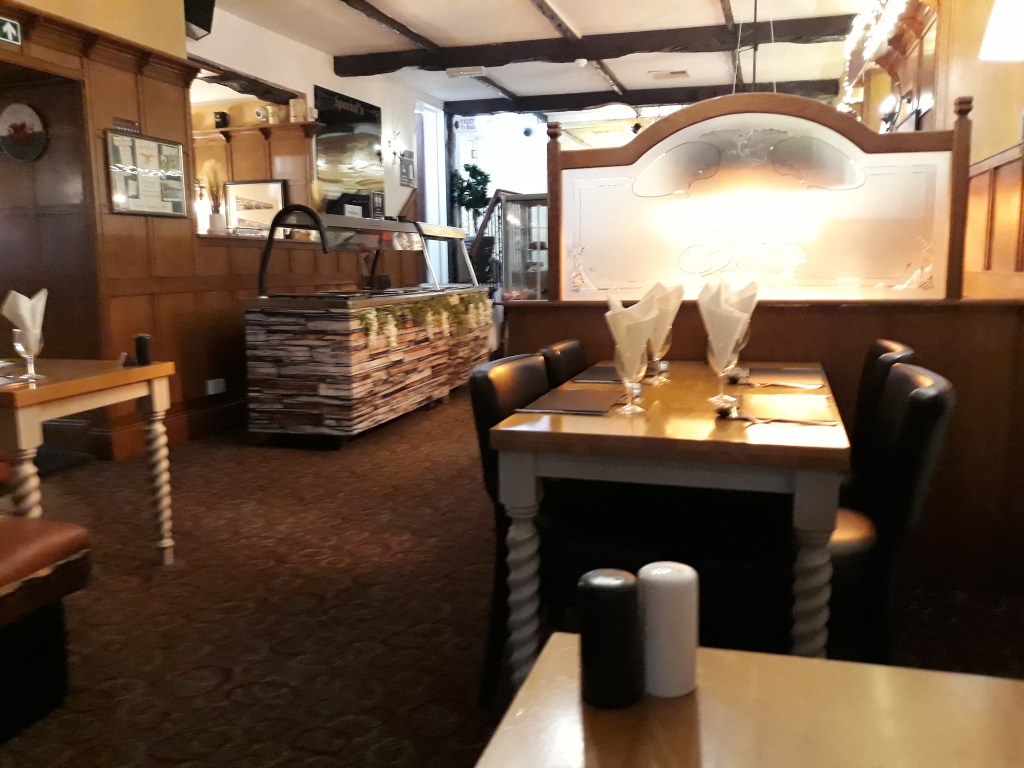
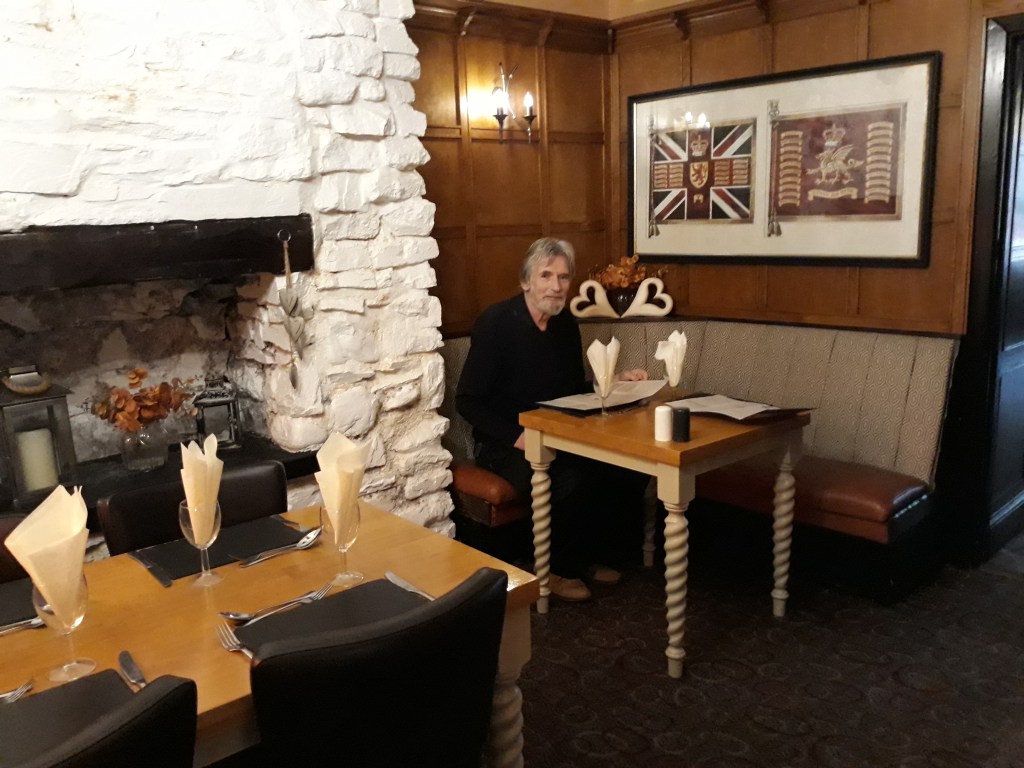
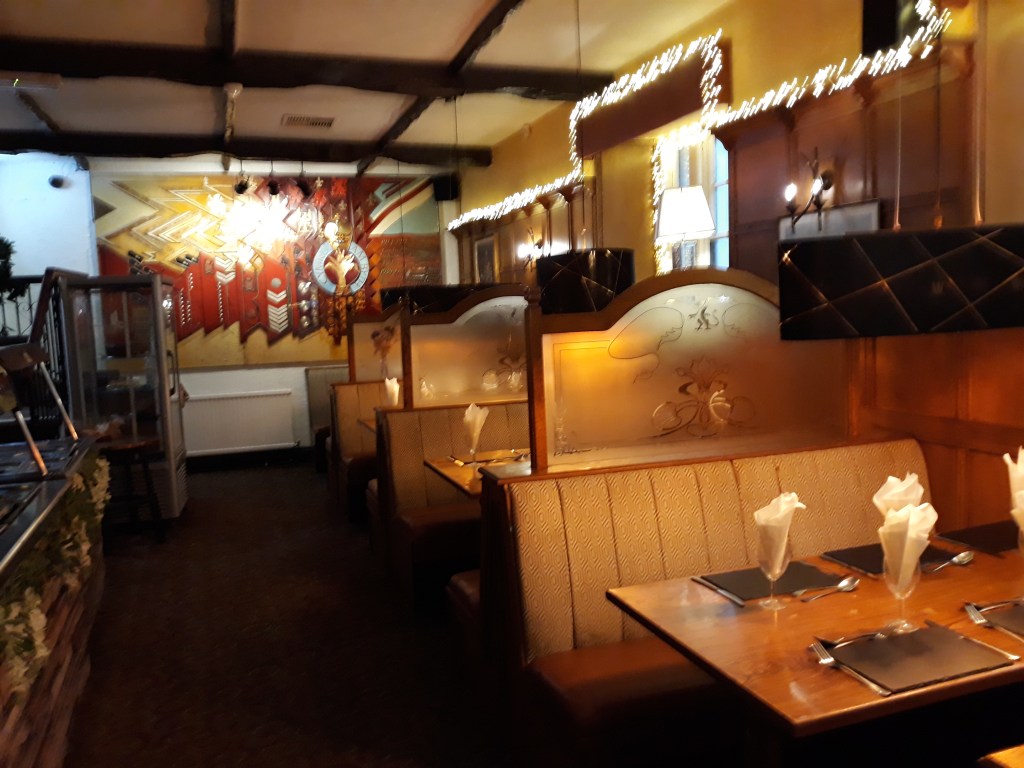
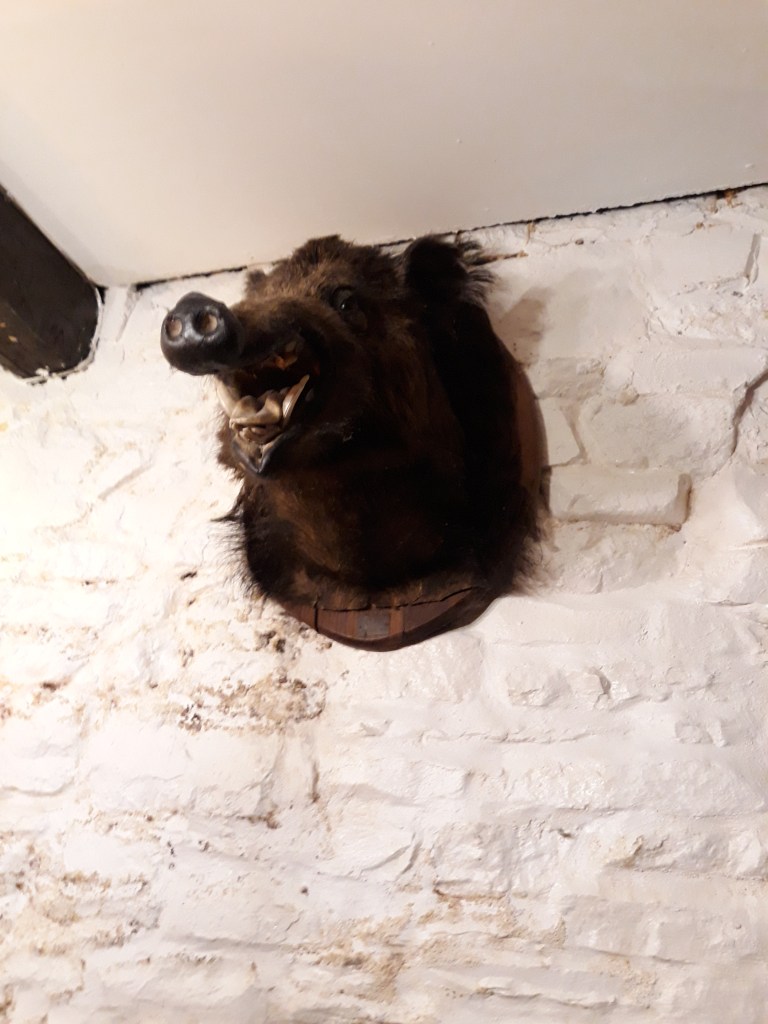
After Manorbier, our last stop on the way back up to North Wales was Caerfyrddin (known in English as Carmarthen, or Merlin’s fort), a very old Celtic town with a medieval castle and a busy centre – and a stylish, wonderfully old-fashioned old hotel called the Boar’s Head, where we stayed on our last night in South Wales. Our room was huge, more like a suite, with an enormous bathroom with bathtub, and the restaurant downstairs – obviously very popular with both locals and tourists – very elegant and nostalgic, with an imitation boar’s head on the wall and British classics on the menu: for the first time in my life, I had the opportunity to eat faggots!
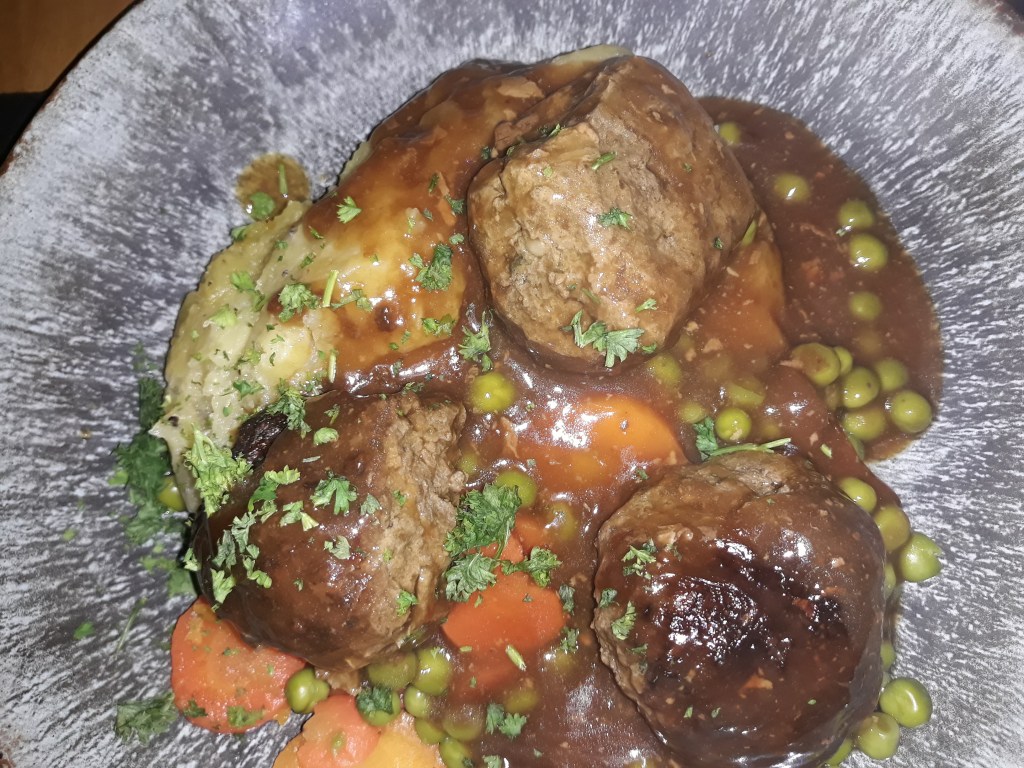
That opulent meal concluded our wonderful South Wales holiday; the next day, we made our way back north on a very long drive through Eryri (Snowdonia) home to Gwynedd and Anglesey, and here we are now, preparing for the holidays. I wish you all a wonderful holiday season, dear friends, and I’ll be with you again soon!

